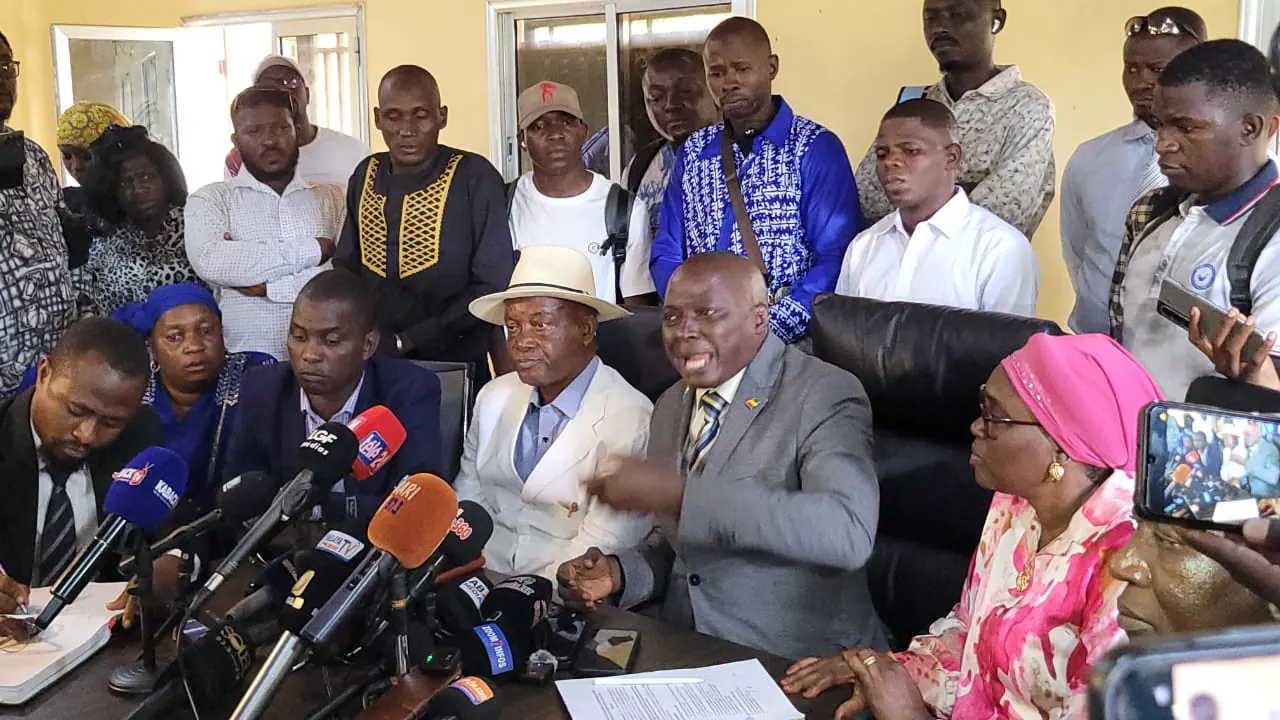
During a press conference on September 21, Pépé Balamou, the secretary general of Guinea's National Education Union (SNE), expressed concerns over difficulties in teacher recruitment, assignment, and salary payments. He emphasized the need for a more professional education sector and recruitment based on actual school needs. Balamou suggested prioritizing already trained teachers and those who have undergone practical classroom evaluations in future public service recruitment.
Balamou highlighted that education has become the primary gateway to Guinea's civil service, but the current system is flawed. He noted that many teachers leave for other sectors after recruitment, and the state should prioritize those with specialized teaching training. The union leader advocates for a shift in recruitment focus towards those trained at institutions like the ISSEG and ENI.
To address assignment and abandonment issues, Balamou proposes post-by-post recruitment, citing the example of filling specific vacancies in local areas. This approach would ensure that recruited teachers are assigned to areas where they are needed, reducing problems associated with deployment and abandonment of posts.
Between 2011 and 2018, 25,000 teachers were recruited, yet a 2019 assessment revealed a shortage of 19,942 teachers. Balamou questions where the recruited teachers went, highlighting the need for effective deployment and retention strategies. He also raised concerns about teachers in rural and isolated areas facing difficulties with salary payments and living conditions.
Balamou reported that some teachers recruited remain without effective assignment, while those working in challenging areas await their salaries. He lamented the situation where some teachers have been evaluated in practical classroom settings but still face hurdles in receiving their salaries. The union leader has initiated steps with competent authorities to address blocked salaries and unpaid arrears.
Despite efforts to resolve salary issues, results have been unsatisfactory. Balamou demands the release of blocked salaries and payment of arrears to certain teachers. He emphasized that lists of eligible teachers have been verified and authenticated, but delays persist in processing their salaries.
The situation highlights ongoing challenges in Guinea's education sector, particularly in teacher management and compensation. Balamou's statements underscore the need for comprehensive reforms to address these issues and ensure a more effective and equitable education system.
Key points
- Pépé Balamou calls for professionalization of the education sector and prioritization of specialized teaching training in recruitment.
- The union leader proposes post-by-post recruitment to address assignment and abandonment issues.
- Balamou demands the release of blocked salaries and payment of arrears to certain teachers.