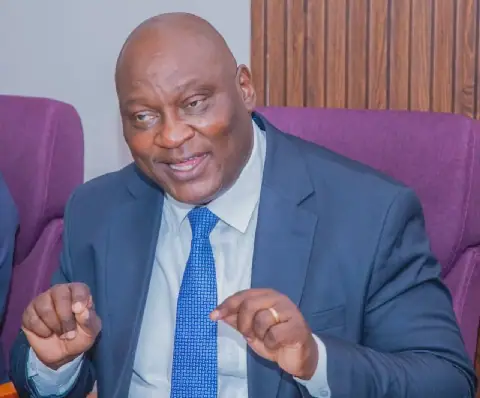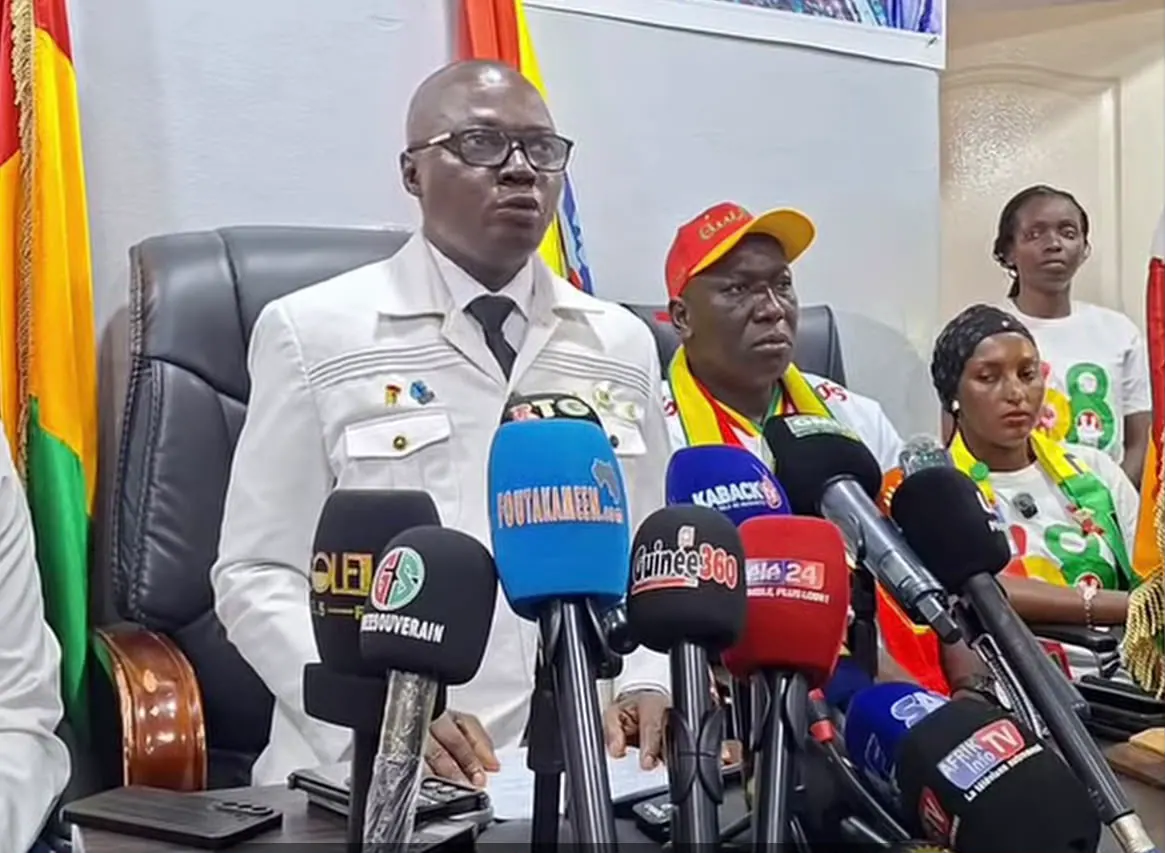
The Guinean education intersyndicate, comprising the FSPE, SLECG, and SNE, held an extraordinary general assembly on October 8, 2026, at the SLECG headquarters in Conakry. The meeting focused on the implementation of the protocol agreement signed on January 3, 2026, and the situation of contractual teachers not retained after evaluation. According to Michel Pépé Balamou, SNE general secretary, the unions had agreed to support the October 5 school reopening to prioritize dialogue with the government.
The intersyndicate disputes a note from the Ministry of National Education and Literacy's Human Resources Directorate, requiring contractual teachers to provide service attestations to register on a dedicated platform for a competition. The unions believe this move contradicts point 7 of the protocol agreement, which prioritizes the engagement of non-retained contractual teachers who obtained a passing grade in the practical evaluation.
Michel Pépé Balamou emphasized that by agreeing to support the school reopening, the education intersyndicate demonstrated its good faith in continuing dialogue. The unions had accepted to accompany the school rentrée to prioritize dialogue with the government. Balamou stated that this act showed the intersyndicate's commitment to finding a resolution through discussion.
Following a meeting with the President of the National Social Dialogue Council, the unions announced plans to meet with the Public Service ministry on Friday. They intend to present a list of concerned teachers and discuss their engagement, including those from Conakry's special zone. The issue of blocked salaries was also addressed, with 72 teachers expected to be regularized by the end of the month.
The Guinean education unions are also demanding the payment of functional allowances to education system cadres who have not yet received them. The intersyndicate gave the government an ultimatum, urging it to take concrete actions to address their concerns.
According to Michel Pépé Balamou, the unions are providing the government with a final opportunity to demonstrate its commitment to resolving the issues. The SNE general secretary emphasized that the intersyndicate expects tangible results from the government's actions.
The situation highlights the ongoing challenges in Guinea's education sector, particularly regarding the employment and remuneration of contractual teachers. The intersyndicate's efforts aim to find a resolution through dialogue and negotiation with the government.
Key points
- The Guinean education intersyndicate demands implementation of the protocol agreement for contractual teachers.
- The unions dispute a note requiring contractual teachers to provide service attestations for a competition platform.
- The intersyndicate urges the government to address concerns on salaries, allowances, and teacher engagement.