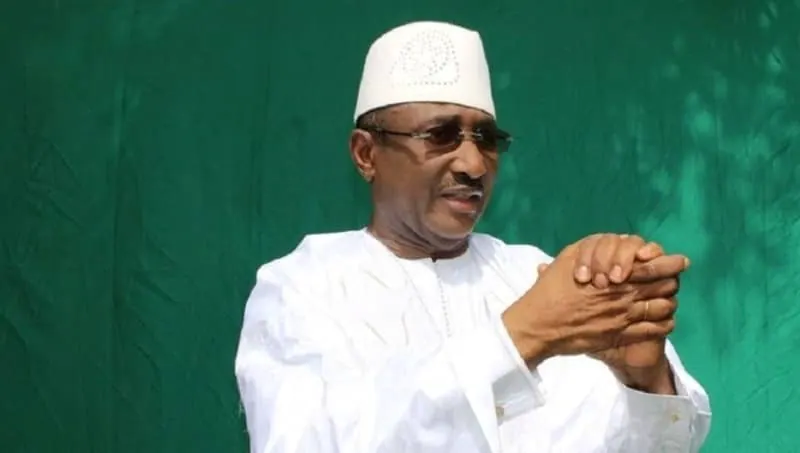
On September 28, Guinea's Prime Minister Amadou Oury Bah visited the family of Sidya Touré, who passed away in Paris on September 25, to offer his condolences. During the visit, Bah reiterated the Guinean authorities' wish to repatriate Touré's body for burial in Guinea. This move has sparked questions about the government's intentions, given the complicated relationship between Touré and the authorities in recent years.
Sidya Touré, a former Prime Minister of Guinea from 1996 to 1999, was remembered by leaders, administrators, civil society actors, and ordinary citizens for his integrity and contributions to the country's history, particularly his efforts to electrify Conakry. The outpouring of tributes following his death in France highlighted his significant role in shaping Guinea's politics. The government, including members of the cabinet and the Prime Minister's office, also paid their respects to Touré, who ran for president in 2010 and 2015.
Prime Minister Bah's visit to Touré's family was part of the official response to the former PM's passing. According to Bah, President Mamadi Doumbouya was deeply saddened by Touré's death, and the government had been in contact with Touré's family since the news broke. Bah expressed the President's sentiments, stating that Touré was a citizen of Guinea and that the government respected the family's wishes regarding his burial.
The Guinean authorities' eagerness to repatriate Touré's body has raised eyebrows, considering the strained relations between Touré and the government in recent years. Touré had left Guinea after a dispute over his La Minière residence, which the state had sought to reclaim. Although the courts later ruled in his favor, the Union of Republican Forces, Touré's party, was dissolved by the authorities for allegedly failing to meet legal and administrative requirements.
Sidya Touré had been living in France for health reasons and had obtained an Ivorian passport, as his Guinean passport had expired. In light of these circumstances, the decision to bury him in Côte d'Ivoire, a country that had provided him with refuge, was not unexpected. The Ivorian government had welcomed Touré during his exile, and it was a place where he had felt at home.
Critics argue that the government's desire to repatriate Touré's body may be seen as an attempt to make amends for past grievances. Rather than simply calling for the body to be brought back, Prime Minister Bah should clarify the circumstances surrounding Touré's loss of his Guinean passport and provide closure on the disputes that led to his exile.
As the Guinean government continues to express its desire to honor Sidya Touré's memory on home soil, many are watching to see how the situation unfolds. The repatriation of his body would likely be seen as a gesture of goodwill, but it remains to be seen whether it will be enough to heal old wounds. The family's decision on the burial will ultimately take precedence, and the government has stated that it will respect their wishes.
Key points
- The Guinean government is seeking to repatriate the body of former PM Sidya Touré, who died in Paris on September 25.
- The move has sparked questions about the government's intentions, given the complicated relationship between Touré and the authorities in recent years.
- Touré's family has yet to make a final decision on the burial, and the government has stated that it will respect their wishes.