Guinea's natural resources, infrastructure, and investments can only reach their full potential if the country has skilled individuals to plan, manage, and transform them into shared progress. The country's development is not just about its resources, but also about organizing its competencies. With considerable assets, including its natural potential, geographical position, youth, entrepreneurial initiatives, and diverse territories, Guinea has various development opportunities. However, having resources does not guarantee economic and social transformation.
The country's progress depends on its collective ability to organize its skills and competencies. A nation can have significant resources but still face challenges if its expertise is scattered, its productive sector needs are not anticipated, or its institutions struggle to collaborate with stakeholders. To address this, Guinea needs to better understand its human capital. This requires reliable information on available jobs, qualifications, experiences, and future skill requirements from administrations, training institutions, businesses, and local authorities.
A regularly updated skills mapping could help match training with real needs, identify sectors under strain, and better guide employment policies. This knowledge should facilitate connections between schools, universities, vocational training, and the workplace. Often, training paths and employer expectations evolve separately. To bridge this gap, Guinea should develop quality internships, apprenticeships, continuous training, and partnerships between institutions and businesses. The goal is not to make education solely dependent on immediate market needs but to ensure that acquired knowledge opens up concrete prospects and prepares individuals for future jobs.
Organizing skills also involves engaging with the Guinean diaspora, who possess professional experiences, networks, and expertise acquired in various countries. Their contribution should not be limited to financial transfers or one-off interventions. Mechanisms for professional cooperation, mentorship, expert missions, and partnerships between institutions could facilitate knowledge sharing and method transmission. However, this openness must complement existing local skills. Valuing local talent is crucial, as regions are not just sources of resources or populations to administer but also places of expertise, economic initiatives, and cultural knowledge.
Local authorities, deconcentrated services, professional organizations, and training institutions should be involved in identifying needs and designing responses. Effective organization requires an administration capable of coordinating efforts. Training, employment, investment, and territorial development policies cannot progress sustainably if they operate in isolation. Shared objectives, clearly allocated responsibilities, accessible data, and monitoring mechanisms are essential. Public and private projects should integrate a reflection on job creation, necessary qualifications, and opportunities for Guinean workers from their conception.
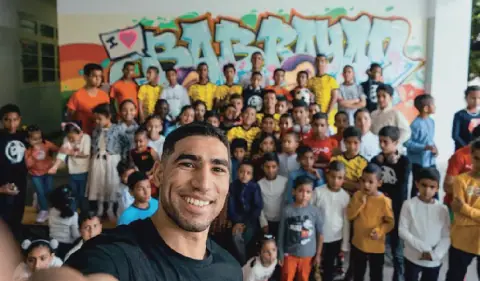
This ambition requires particular attention to youth, who should not be seen as mere beneficiaries of public policies but as actors capable of proposing, undertaking, innovating, and participating in the country's transformation. To achieve this, they need access to quality guidance, relevant training, professional experiences, and adapted financing mechanisms. Trust in youth must translate into real opportunities. Organizing skills also means recognizing that human capital is not a secondary aspect added to economic strategies but a condition for success.
The true indicator of progress will be Guinea's ability to transform its skills into quality services, sustainable jobs, solid businesses, and opportunities across all regions. The country's wealth is also measured by how it grows and works with its talents. By focusing on harnessing its human capital, Guinea can unlock its full potential and create a brighter future for its citizens.
Key points
- Effective organization of skills and competencies is crucial for Guinea's development.
- Engaging with the Guinean diaspora and valuing local talent are essential for national progress.
- A coordinated administration and attention to youth are vital for sustainable development.