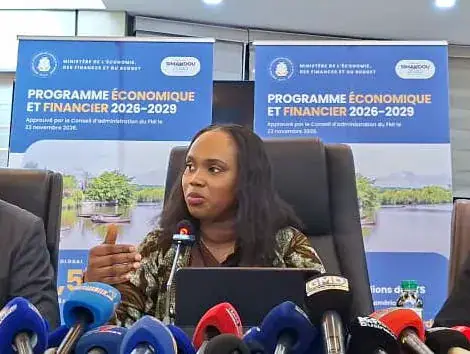
Guinea's Minister of Economy, Mariama Ciré Sylla, has announced a series of economic reforms aimed at stabilizing the country's economy. The reforms are part of a three-year program worth over $400 million with the International Monetary Fund (IMF). The plans focus on restructuring the energy sector, which is considered strategic for the country's economic stability. Minister Sylla made the announcements during a press conference in Conakry.
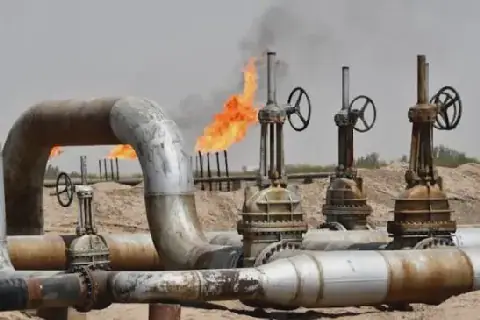
The energy sector reforms will focus on improving the governance of Electricity of Guinea (EDG) and accelerating investments in infrastructure. This includes the reconstruction of the main fuel depot, which was damaged in an accident. Minister Sylla emphasized the importance of the energy sector and the need for reforms to improve its efficiency. The government has finalized studies for the construction of a new fuel depot, which will provide more flexibility in managing fuel supplies.
Minister Sylla also addressed the issue of fuel prices, which have been affected by international market fluctuations and geopolitical tensions in the Middle East. She noted that Guinea, as a non-oil producing country, is vulnerable to these changes. The government has made significant budgetary efforts this year to mitigate the impact of rising fuel prices. However, Minister Sylla indicated that decisions on fuel prices for 2027 will depend on international market trends.
As part of the IMF agreement, the government aims to rationalize subsidies and protect the purchasing power of citizens. Minister Sylla emphasized that the goal is not to reduce state spending, but to target assistance to the most vulnerable households. The government plans to implement a social protection plan, which includes guaranteed minimum social spending. This will ensure that the most vulnerable populations are protected from the impact of economic reforms.
Minister Sylla reiterated the government's commitment to maintaining a rigorous budgetary balance while protecting the interests of the people. She emphasized that the government will work closely with the IMF to navigate the challenges posed by rising international oil prices. The minister expressed confidence that the reforms will help stabilize the economy and improve the living standards of Guinean citizens.
The economic reforms announced by Minister Sylla are part of a broader effort to address the challenges facing Guinea's economy. The country has been working to improve its economic management and attract investment. The IMF program aims to support these efforts and help Guinea achieve sustainable economic growth. Minister Sylla's announcements have been welcomed by stakeholders, who see the reforms as a positive step towards economic stability.
The government has faced significant challenges in managing fuel prices and maintaining economic stability. The reforms announced by Minister Sylla are expected to help address these challenges and improve the business climate. The government's commitment to protecting the purchasing power of citizens and targeting assistance to vulnerable households is seen as a key aspect of the reforms.
Key points
- Guinea's government has unveiled plans to reform the energy sector, manage fuel prices, and rationalize subsidies as part of a three-year program with the IMF.