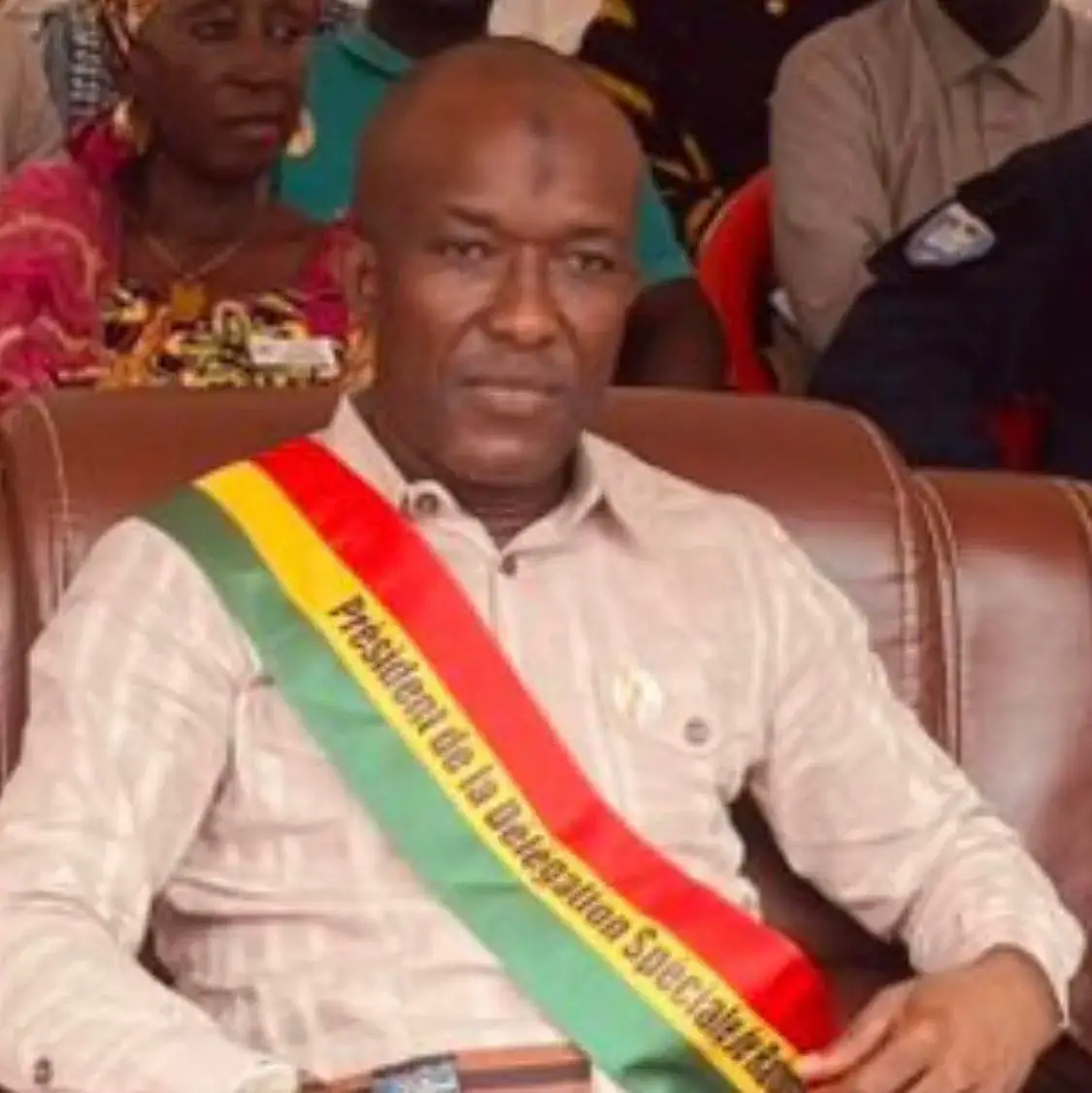
The trial of Ahmed Sékou Traoré, former president of the special delegation of Ratoma, and Mohamed Camara, former communal receiver, is set to resume on November 25, 2026, at the Court of Repression of Economic and Financial Crimes (CRIEF). The case involves alleged embezzlement of public funds and other economic and financial crimes. The trial was initially scheduled for November 16, 2026, but was postponed due to the priority given to the trial of individuals involved in clandestine mining in Siguiri.
The case against Traoré and Camara relates to the management of the Ratoma commune's finances, with an estimated 32 billion Guinean francs at stake. During the previous hearing, Traoré was questioned about his income, assets, and the commune's tax revenues, as well as funding for infrastructure projects. He also mentioned an envelope of approximately 14.6 billion Guinean francs from the National Agency for Financing of Local Authorities (ANAFIC), intended for several infrastructure projects in the commune.
The resumption of the trial is expected to allow the court to continue examining the elements related to the financial management of the former Ratoma team. The CRIEF court will pursue its investigation into the alleged irregularities in the commune's finances. Traoré and Camara will have to provide further explanations to the judges regarding their management of the commune's funds.
The trial's progress is being closely watched, as it is part of a broader effort to combat corruption and financial crimes in Guinea. The CRIEF court was established to investigate and prosecute cases of economic and financial crimes, and this trial is one of its key cases. The court's work is seen as crucial in promoting transparency and accountability in the country's financial management.
The case has significant implications for the commune of Ratoma and its residents, who have been affected by the alleged mismanagement of funds. The trial's outcome is expected to bring clarity to the situation and potentially lead to the recovery of embezzled funds. The court's decision will also serve as a precedent for future cases involving financial crimes in Guinea.
The Guinean authorities have been working to strengthen the country's institutions and promote good governance. The trial of Traoré and Camara is part of this effort, demonstrating the government's commitment to fighting corruption and promoting accountability. The case is also seen as a test of the country's judicial system and its ability to handle complex financial crimes.
The trial's resumption is a significant development in the case, and it is expected to shed more light on the alleged financial irregularities in the Ratoma commune. The court's findings and verdict will be closely watched by the public and will have important implications for the country's fight against corruption and financial crimes.
Key points
- The trial of Ahmed Sékou Traoré and Mohamed Camara involves alleged embezzlement of 32 billion Guinean francs.
- The case is being heard at the Court of Repression of Economic and Financial Crimes (CRIEF).
- The trial's outcome is expected to promote transparency and accountability in Guinea's financial management.
Reporting sources
- CRIEF : le procès d’Ahmed Sékou Traoré reprend ce mercredi 25 novembre · Le Révélateur 224