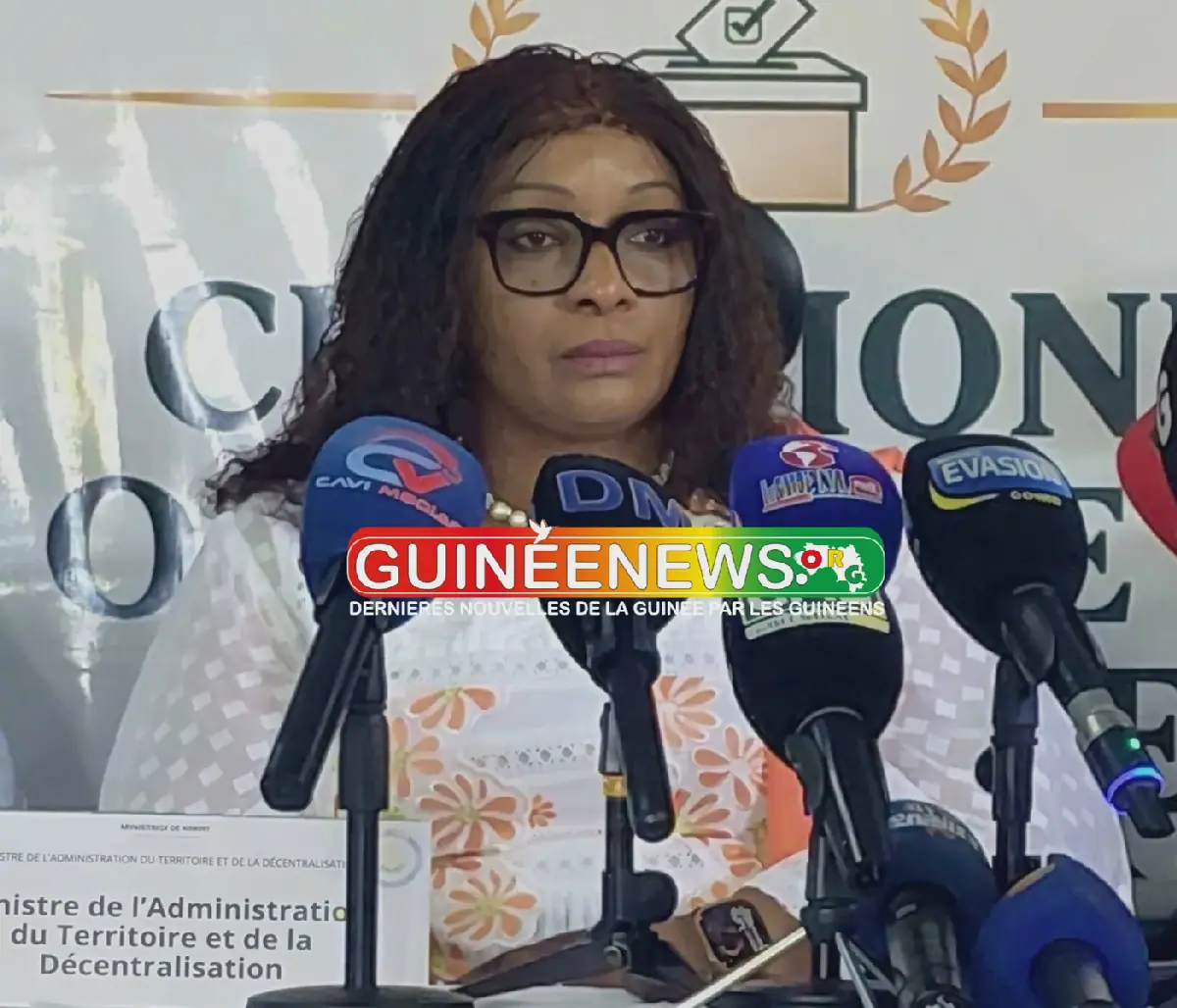
Guinea's Minister of Territorial Administration and Decentralization, Djénabou Touré, announced on November 13, 2026, that the country will hold several complementary elections in 2027. These elections will be related to the creation of new communes, prefectures, and regions. The announcement was made during the installation of the new Director General of Elections, Mohamed Ali Condé. The minister explained that the elections will be necessary due to the redrawing of administrative boundaries.
The new communes will be created from existing sub-prefectures that have not yet been granted commune status despite existing for several years. According to the minister, some sub-prefectures have been in existence for over five or six years without becoming communes. The law requires that these sub-prefectures be granted commune status, leading to the need for complementary elections. The elections will also concern the representation of new prefectures and regions in the Senate.
The Senate will also hold complementary elections to reflect the changes in the administrative divisions. The modification of the organic law governing the internal regulations of the Senate requires that the new administrative entities be represented in the institution. The minister stated that the new prefectures and two new regions will elect their senators to complete the Senate. This will ensure that all regions have a voice in the country's legislative body.
Minister Touré praised the role played by the Supreme Court in the electoral process of 2026. She highlighted the importance of the court's advisory opinion, which helped to overcome legal and administrative obstacles that could have hindered the elections. The minister emphasized that without the Supreme Court's advisory opinion, the electoral process could have been blocked due to various legal and administrative factors.
The Supreme Court's involvement was crucial in ensuring the smooth conduct of the elections. The minister expressed her gratitude to the court for its tireless work in providing an advisory opinion that helped to finalize the electoral process. The opinion allowed the country to move forward with the elections, avoiding potential blockages.
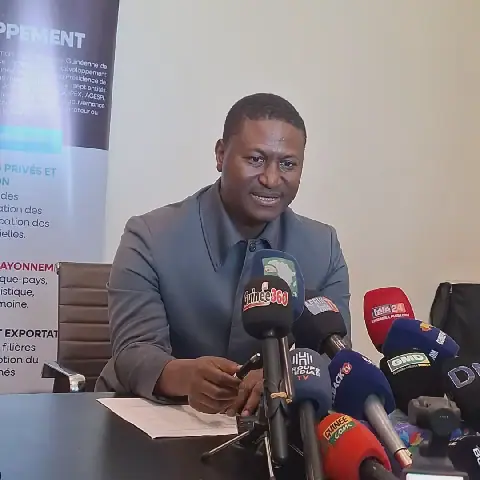
The new Director General of Elections, Mohamed Ali Condé, will be responsible for preparing and conducting the upcoming electoral operations. The minister's announcement sets the stage for the next phase of electoral activities in Guinea. The complementary elections will be an important step in ensuring that the country's administrative divisions are accurately represented in the electoral process.
The upcoming elections will reflect the country's efforts to reorganize its administrative divisions. The process will ensure that all regions have a voice in the country's legislative body. The elections will also demonstrate Guinea's commitment to democratic governance and representation.
Key points
- The elections will be held to reflect new administrative divisions, including new communes, prefectures, and regions.
- The Senate will hold complementary elections to ensure representation of new administrative entities.
- The Supreme Court played a crucial role in the electoral process, providing an advisory opinion that helped to overcome potential obstacles.