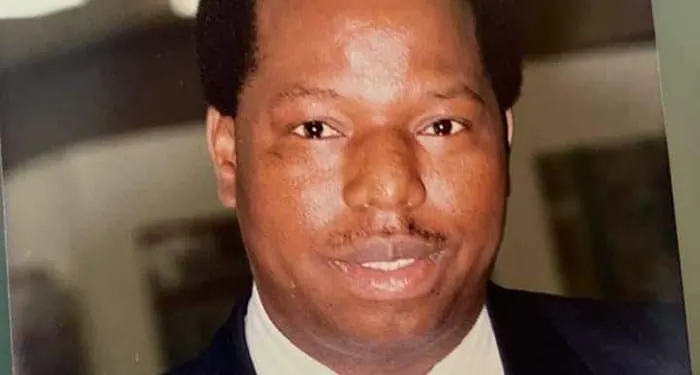
In 1974, Djigui Camara, along with his fellow university graduates, underwent an intensive military training at Camp Kwamé N'Krumah in Guinea. The camp, located 36 kilometers outside Conakry, was named after the former President of Ghana. This rigorous training was a mandatory requirement for all Guinean students before entering the workforce during the revolutionary era. The program lasted for two to three months and included theoretical courses on warfare, physical education, and handling various types of weapons.
The camp was led by a Cuban officer assisted by a Guinean militiaman trained in Cuba. The training was highly disciplined, with a daily routine starting at 5:30 am with the raising of national colors, followed by a one-hour morning exercise. The students were then divided into platoons and regiments for various military exercises, including trench digging, shooting, and ambush tactics. The training was physically demanding, with long distances to be covered on foot.
The daily routine consisted of morning and afternoon exercises, with short breaks for meals. The food was simple but sufficient to keep the students energized. Despite the challenges, the training fostered a sense of camaraderie and solidarity among the students. The camp also received visits from high-ranking government officials, who delivered motivational speeches and encouraged the students to defend their country.
The training at Camp Kwamé N'Krumah had a profound impact on Djigui Camara and his fellow students. It transformed them from young, carefree individuals into disciplined and battle-hardened fighters. The experience instilled in them a strong sense of patriotism and a willingness to make the ultimate sacrifice to defend their country. The camp became a defining moment in their lives, shaping their future careers and personal relationships.
The camp's impact extended beyond the training period. Djigui Camara notes that the bonds formed during the training have endured, with many of his fellow students maintaining close relationships with their former instructors and fellow trainees. The experience also instilled in them a strong sense of fraternity and solidarity, which has continued to shape their lives.
The training at Camp Kwamé N'Krumah was a critical component of Guinea's revolutionary era. The country's leadership, led by President Ahmed Sékou Touré, recognized the importance of preparing its youth to defend the nation against external threats. The camp was a key part of this strategy, providing young Guineans with the skills and motivation to defend their country.
Djigui Camara's account of his experience at Camp Kwamé N'Krumah provides a unique insight into Guinea's revolutionary past. The camp played a significant role in shaping the country's history, and its legacy continues to inspire future generations. The story of Camp Kwamé N'Krumah serves as a testament to the power of discipline, hard work, and patriotism.
Key points
- Camp Kwamé N'Krumah was a mandatory military training camp for Guinean university graduates during the revolutionary era.
- The training at the camp lasted for two to three months and included theoretical courses on warfare, physical education, and handling various types of weapons.
- The experience at Camp Kwamé N'Krumah had a profound impact on Djigui Camara and his fellow students, transforming them into disciplined and battle-hardened fighters.