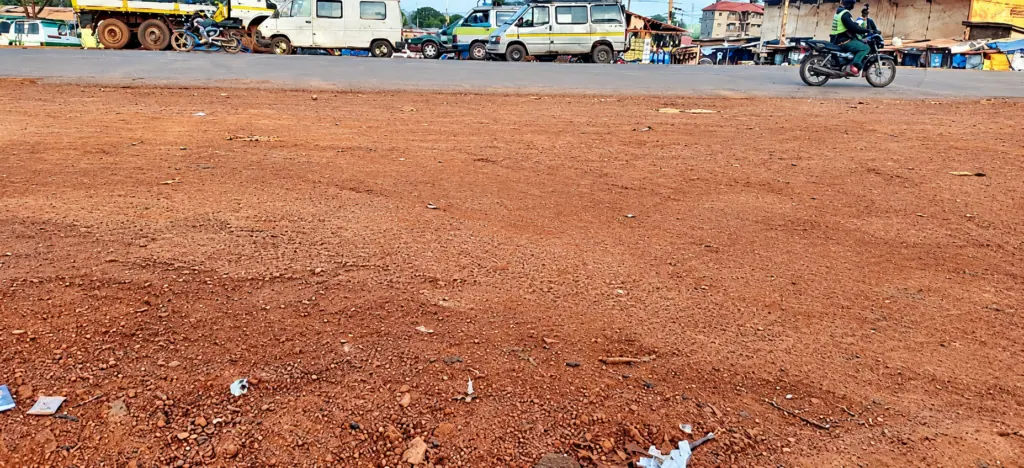
The city of Mandiana in eastern Guinea is witnessing a significant reduction in plastic waste following the implementation of a ban on plastic bags and packaging. Several public areas, including streets and the bus station, have seen a notable decrease in plastic debris. Residents and local business owners have reported a substantial decline in the number of used plastic bags littering the streets and public spaces.
The ban, which aims to reduce pollution from plastic waste and encourage the use of alternative solutions, has been in effect for some time. As a result, traders, transporters, and users are having to adapt their habits, particularly when it comes to packaging, transportation, and product conservation. However, concerns have been raised about the availability and cost of replacement solutions.
In several neighborhoods of Mandiana, the piles of used plastic bags that were once a common sight are now much less frequent. At the bus station, one of the busiest areas, the presence of plastic waste has also decreased. Local residents have welcomed the change, but some have emphasized the need for continued education and enforcement to maintain this trend.
The reduction in plastic waste has been observed in various parts of the city, with some areas seeing a significant decrease in litter. While plastic bags are still present in some locations, their decline in public spaces is a noticeable change in Mandiana's urban landscape since the ban was implemented. The Guinean Press Agency reported that the ban has led to a visible decrease in plastic waste in Mandiana.
The success of the ban in Mandiana has raised hopes that similar initiatives could be implemented in other parts of Guinea. The country's efforts to reduce plastic pollution and promote sustainable practices have been welcomed by local residents and business owners. However, challenges remain in ensuring that alternative solutions are available and affordable for all.
The impact of the ban on Mandiana's environment and public health is still being assessed. Nevertheless, the early signs suggest that the ban has had a positive effect on reducing plastic waste in the city. Further evaluation and monitoring will be necessary to determine the long-term effectiveness of the ban and identify areas for improvement.
The Guinean government has taken a proactive approach to addressing the issue of plastic pollution, and the ban on plastic bags and packaging is part of a broader effort to promote sustainable practices and reduce waste. The success of this initiative could serve as a model for other countries in the region looking to address similar environmental challenges.
Key points
- The ban on plastic bags and packaging in Guinea's Mandiana region has led to a noticeable decrease in plastic waste in public areas.
- The implementation of the ban has required traders, transporters, and users to adapt their habits and find alternative solutions.
- The success of the ban in Mandiana could serve as a model for other countries in the region looking to address similar environmental challenges.