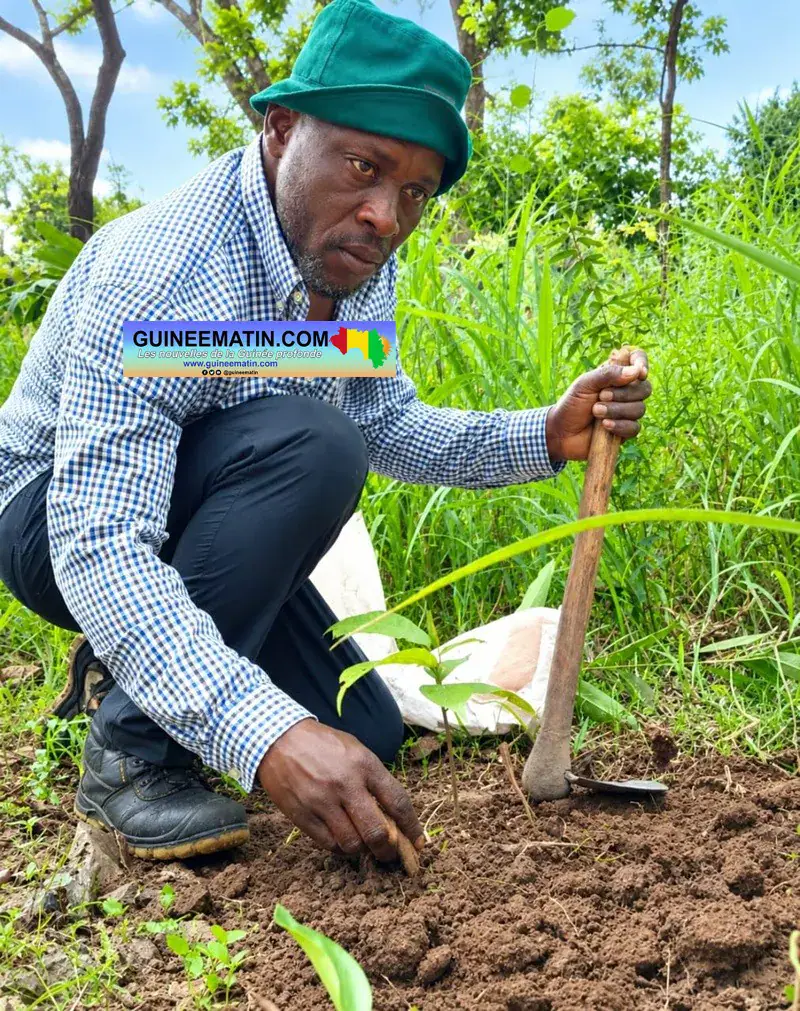
In the Guinean sub-prefecture of Thiéwa, agriculture is the main driver of economic development. The commune, located in the Beyla region, is home to vast agricultural potential, which the local authorities aim to harness. Under the leadership of Mayor Sékou 1 Touré, the commune is seeking to add value to its local produce, including fonio, tomatoes, peppers, and mangoes, through processing and preservation. This initiative aims to provide sustainable sources of income for young people and women, encouraging them to engage in agriculture rather than mining.
Mayor Sékou 1 Touré's vision is to go beyond mere agricultural production and focus on processing, packaging, and marketing local products. He emphasizes that production alone is not enough; improving product quality, facilitating preservation, and increasing market value are crucial. Fonio is a key crop in this strategy, with plans to establish equipment for washing and cleaning grains to remove impurities and debris. This will enable the commune to market clean, well-packaged fonio with proper labeling.
In addition to fonio, the mayor is promoting market gardening, particularly the production of peppers and tomatoes. Many local women are already involved in small-scale pepper production, some of which is dried and sold. The authorities aim to support and expand these initiatives, encouraging more structured processing activities. The commune also plans to develop tomato cultivation, with the goal of creating new income sources for local residents.
Another area of focus is the processing of mangoes into jam, which would extend the shelf life of the fruit. The commune aims to promote agro-processing techniques that allow for the transformation of local fruits and their preservation through adapted packaging methods. For example, mango jam could be packed in hermetically sealed boxes or cans, enabling it to be stored for up to six months.
The ultimate goal of these initiatives is to provide a viable economic alternative for young people in Thiéwa, who might otherwise be drawn to mining activities. Mayor Touré is adamant that agriculture can drive the country's development and hopes to encourage youth to engage in farming. To achieve this, he stresses the importance of organizing producers into groups to manage activities collectively and share economic benefits.
To implement these projects, Thiéwa requires equipment and material resources. The mayor is seeking support from the state and technical and financial partners, including fencing for market gardening perimeters, motor pumps, and irrigation pipes. The proposed project involves developing five hectares, with one hectare per district, subdivided into four plots for four market gardening groups.
The success of these initiatives depends on the commune's ability to secure funding and technical assistance. Mayor Touré has appealed for help, highlighting the need for equipment and resources to mobilize local women and men. If successful, the project could serve as a model for sustainable agricultural development and youth empowerment in Guinea.
Key points
- The commune of Thiéwa aims to develop fonio, market gardening, and agro-processing to create sustainable income sources for youth and women.
- The project involves organizing producers into groups to manage activities collectively and share economic benefits.
- Thiéwa requires equipment and material resources, including fencing, motor pumps, and irrigation pipes, to implement the project.