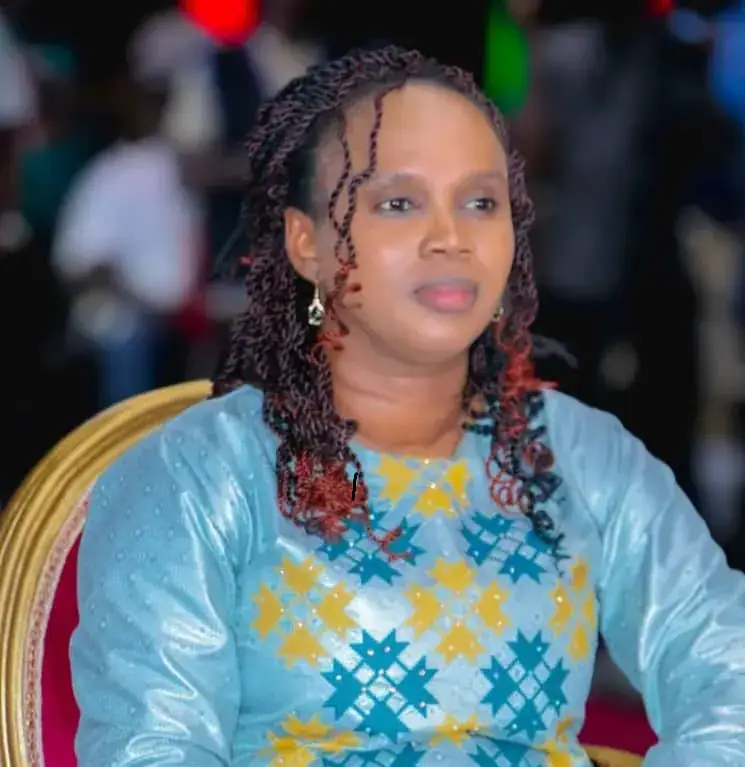
Guinea's Minister of Economy, Finance and Budget, Mariama Ciré Sylla, has detailed the conditions under which the state can access the country's Sovereign Fund in times of crisis. The Fund has three main missions: financing investments, protecting the economy against shocks, and saving for future generations. Sylla made these remarks during a plenary session of the National Assembly, where lawmakers examined and adopted a bill related to the Fund.
The government has agreed to a proposal to set the Fund's duration at 99 years, with the possibility of extension in accordance with OHADA law. In cases of crisis, the state can withdraw from the Fund's resources reserved for economic stabilization if there is a significant drop in budget revenues due to external shocks, natural disasters, or major economic or financial crises. Sylla explained that the stabilization mission is an insurance mechanism to protect the economy and public finances against shocks.
To withdraw from the Fund, the state must present a motivated and quantified request, made public, and approved by the Fund's board of directors, followed by authorization from a finance law. A plan for reconstituting resources must also be provided. The minister emphasized that withdrawals for future generations' savings will be subject to stricter conditions, limited to exceptional circumstances. The government has also agreed to strengthen the legal separation of the Fund's three compartments' assets to protect them against creditor claims.
The Sovereign Fund is considered a national heritage, and its managers are not owners but rather custodians. Sylla stressed that these legal guarantees must transcend successive governments and leaders. The Parliament will receive audited financial statements from the Fund annually and can set up investigative commissions. The minister also mentioned the publication of annual reports, prior declaration of assets, protection of whistleblowers, and referral to justice in cases of suspected fraud.
The Fund can co-finance projects in energy, mining transformation, and agro-industry, among other sectors, with Guinean and foreign investors. Sylla cited examples such as production, transformation, and irrigation in agriculture. Project selection will consider profitability, job creation, participation of Guinean SMEs, and distribution of investments across the territory. The minister noted that a profitable investment preserves capital and generates revenue for financing new projects.
Current spending on health, education, security, and social protection will continue to be covered by the state budget. Revenues legally reserved for local authorities and mining communities will be deducted before calculating the share allocated to the Sovereign Fund. Sylla emphasized that economic growth should translate into more jobs, income for households, and economic opportunities for women.
The implementation of the Sovereign Fund aims to ensure sustainable economic growth and protect future generations. The Fund's management will be transparent, with regular reporting to the Parliament and publication of financial statements. The minister concluded that the Fund's mission is to support Guinea's development while ensuring the preservation of its resources for future generations.
Key points
- The Guinean government has set a 99-year duration for the Sovereign Fund, with the possibility of extension.
- Withdrawals from the Fund will require a motivated and quantified request, approved by the Fund's board of directors and authorized by a finance law.
- The Fund will co-finance projects in strategic sectors such as energy, mining transformation, and agro-industry.