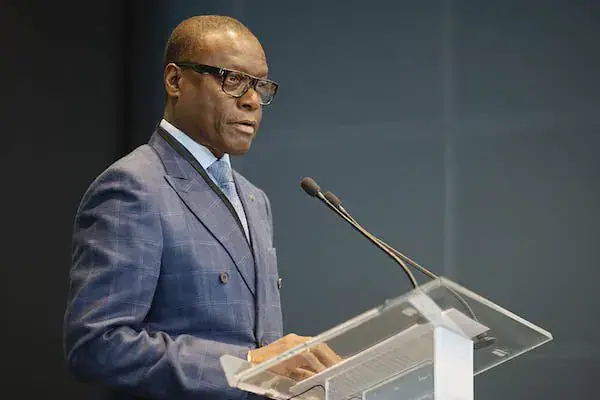
Architect Pierre Goudiaby Atépa has proposed the creation of a new administrative capital in Guinea, dubbed Nimba, and is calling for collaboration from various professionals to make the project a reality. The proposed site for Nimba is near Moribaya, and Atépa believes that the new capital can be a planned, autonomous, and economically viable city. He made the call through an article published in Africaguinee, where he emphasized the need for collaboration among architects, urbanists, engineers, and other stakeholders.
The proposed Nimba city will cover an area of 30,000 hectares, with a planned administrative capital of 3,000 hectares, an agropole of 5,000 hectares, and an industrial zone of 5,000 hectares. The city will also feature an international airport, solar fields, and residential, university, healthcare, sports, cultural, and natural areas. Atépa believes that the city's development will require studies and contributions from various national experts.
One of the key reasons for choosing the site near Moribaya is its proximity to the Simandou development project. Atépa's proposal aims to anticipate the economic, industrial, and demographic transformations that will come with Simandou's development. He believes that Nimba can create new economic activities, develop processing industries, and generate thousands of jobs.
The proposed economic model for Nimba, known as MECCA, aims to enable the city to contribute to its own financing through the valorization of national land heritage. The model assumes that commercializing one-third of the city's land area could generate a potential €25 billion over 20 years. However, Atépa emphasizes that this is just a hypothesis that needs to be examined and validated by independent experts.
Atépa also proposes the creation of a National Fund for the Modernization of Regional Capitals, which will be fed by a contribution of 10-12% of the revenue generated by the MECCA model. This fund will support the development of infrastructure, universities, hospitals, markets, and public equipment in regional capitals such as Kankan, Labé, and Mamou.
The development of Nimba is not intended to undermine the existing capital city, Conakry. Instead, Atépa believes that the transfer of certain administrative functions to Nimba can provide an opportunity to rethink Conakry's urban organization, modernize its infrastructure, and improve the living standards of its inhabitants.
To ensure the success of the Nimba project, Atépa proposes the creation of a national company, SONADEN, which will be responsible for the city's development. The company will be owned 100% by the Guinean state and will prioritize public land ownership, financial transparency, and environmental protection.
Key points
- The proposed Nimba city aims to be a planned, autonomous, and economically viable city that will contribute to Guinea's development.
- The MECCA economic model proposes that the city contribute to its own financing through land valorization.
- The project also aims to support the development of regional capitals through a proposed National Fund for Modernization.