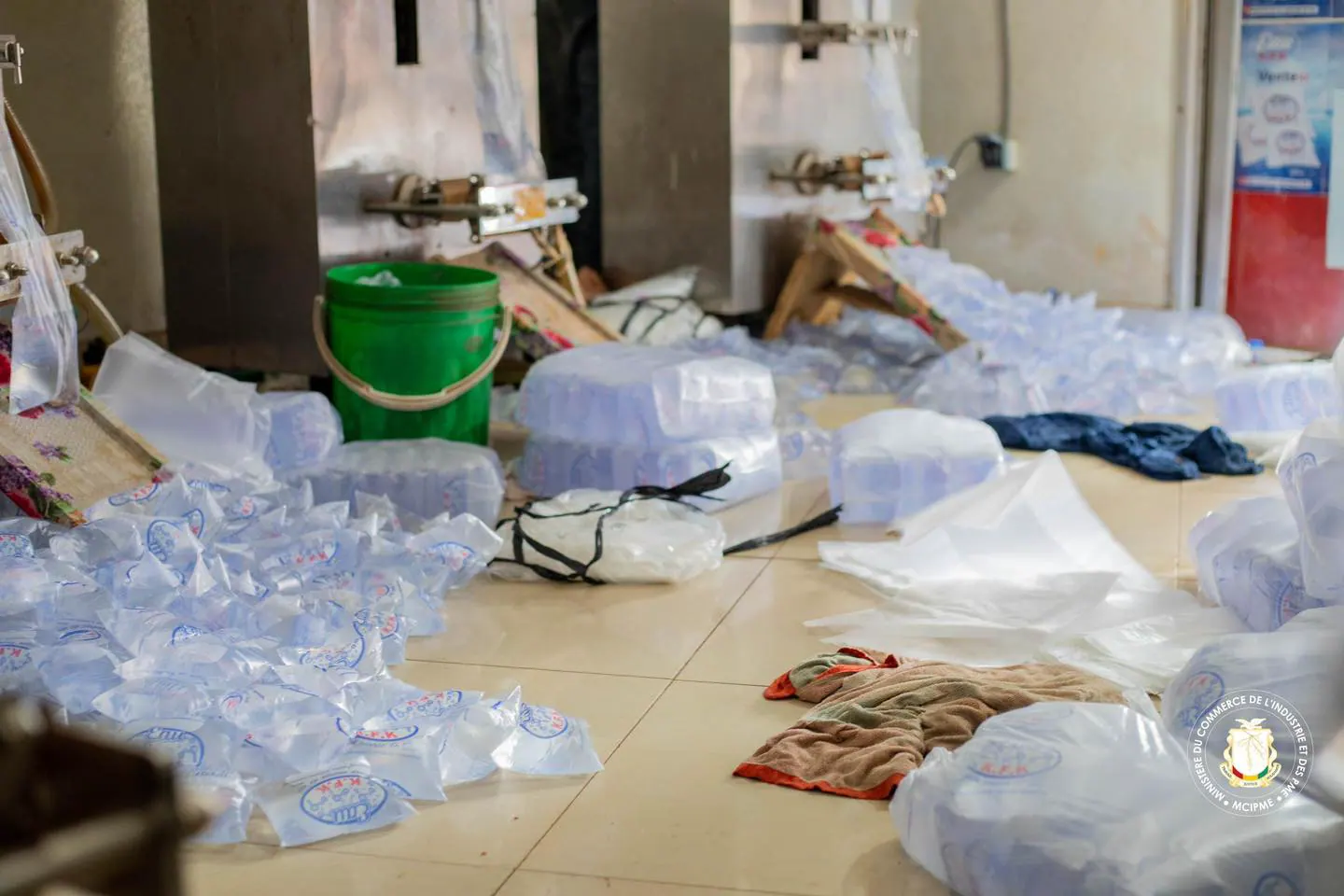
The ban on single-use plastic bags in Guinea has had an immediate impact on the country's water sector. For nearly 20 years, Guineans have been accustomed to drinking water in sachets due to their affordability. However, with the government's decision to ban the importation, manufacturing, and sale of single-use plastics, sachet water has become a rare commodity. As a result, many people are forced to rely on tap water or borehole water, despite concerns over its safety.
The ban, which came into effect on September 20, was implemented to preserve the environment, clean up public spaces, and prevent urban flooding. While the government's intentions are commendable, the move has caused frustration among consumers. In the Sonfonia neighborhood, residents are feeling the pinch, with many cafes and restaurants struggling to serve customers without sachet water. Mamadou Samba Diallo, a customer, expressed his concerns, stating that he can no longer afford to buy bottled water every day.
Vendors are also feeling the impact of the ban. Mountaga, a coffee vendor, has seen a decline in his customer base since the ban on sachet water. He is now forced to offer borehole water to his customers, which some are hesitant to accept. Similarly, 70-year-old Mamadou Adama Sow, a regular coffee drinker, is struggling to cope with the absence of sachet water. He is now forced to drink borehole water, which is not always clean.
The ban has also affected traders, particularly women who rely on plastic bags to package their goods. Rokya Condé, a vegetable oil vendor, is struggling to sell her products without plastic bags. She is calling on the government to provide alternative packaging solutions to help her and other vendors continue to operate. Aïssatou Bah, a poultry vendor, has also reported a decline in sales due to the lack of packaging.
While some vendors, like Kadiatou Barry, support the government's decision to ban single-use plastics, they are also calling for alternative solutions. Barry believes that the ban will help reduce waste in the streets but is urging the government to provide recyclable packaging to alleviate the suffering of consumers and vendors.
The ban has also led to job losses, particularly in the water production sector. The Compagnie des Eaux de Guinée (CEG), which produces mineral water in sachets, has announced the layoff of 50 employees due to the ban. The company has been forced to halt production and reorganize its activities to cope with the new regulations.
As the situation continues to unfold, Guineans are calling on the government to find alternative solutions to address the challenges posed by the ban. While the government's intentions to protect the environment are commendable, the impact on consumers and vendors must be mitigated. The government must work to provide alternative packaging solutions and support affected businesses to minimize the economic and social impacts of the ban.
Key points
- The ban on single-use plastics in Guinea has led to a shortage of affordable drinking water, affecting consumers and vendors alike.
- The government's decision to ban single-use plastics aims to preserve the environment and prevent urban flooding.
- The ban has resulted in job losses, particularly in the water production sector, with 50 employees laid off by the Compagnie des Eaux de Guinée.