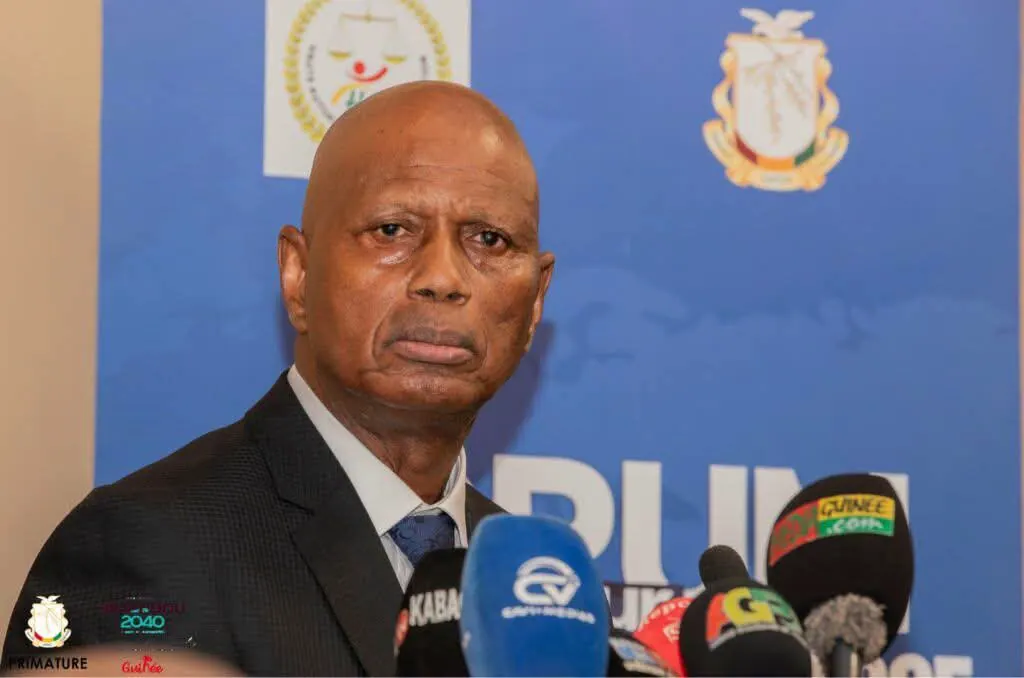
Guinea's High Authority of Communication (HAC) has banned 10 Web TVs and 2 news sites for operating without the necessary licenses. The decision was made on September 21, 2026, after a deliberation in a regular session. The HAC, led by Boubacar Yacine Diallo, based its decision on reports from its monitoring services. The banned Web TVs and news sites were found to be producing and broadcasting audiovisual content on the internet without prior approval or authorization from the competent authorities.
The HAC identified the banned Web TVs as Yimbaya Media TV, Dabola TV, Anelvision Web Media, Makono Médias, Simandou TV HAK, Mandeng Digital, AK Médias, Siguiri 24 Star TV, Coyah TV, and Kamanoya TV. The two news sites banned are www.dabolainfo.com and www.guinee24plus.com, which allegedly transformed into Web TVs. The HAC stated that these structures' activities harm the country's regularly established radios, televisions, online press, and other media.
According to the HAC, some promoters and presenters of these Web TVs and news sites do not meet the required criteria to work as media professionals and do not have press cards issued by the institution. The regulatory body claimed that it had issued several warnings, reminders, and formal warnings to the responsible parties, instructing them to regularize their administrative situation and stop clandestine broadcasts.
The HAC described the refusal of these Web TVs and news sites to comply with the regulations as a "manifest, deliberate, and characterized" act of exercising the profession of journalist and broadcasting illegally. The decision to ban these Web TVs and news sites was made in accordance with the country's laws and regulations.
The ban applies to the entire territory of the Republic of Guinea and all digital platforms. The HAC's decision comes amid a proliferation of digital platforms broadcasting audiovisual content on social media and the internet in Guinea. The regulatory body aims to ensure that media professionals and broadcasting services operate within the framework of the law.
The HAC's move is seen as an effort to regulate the country's media landscape and ensure that all media professionals and services operate legally. The ban on these Web TVs and news sites is expected to have a significant impact on the country's digital media scene.
The decision by the HAC reflects the challenges faced by media regulatory bodies in ensuring that digital media platforms operate within the law. The HAC's efforts to regulate the media landscape in Guinea are ongoing, with the aim of promoting a free and responsible press.
Key points
- The HAC banned 10 Web TVs and 2 news sites for operating without licenses.
- The banned Web TVs and news sites were found to be producing and broadcasting audiovisual content on the internet without prior approval or authorization.
- The decision aims to regulate Guinea's media landscape and ensure that media professionals and broadcasting services operate within the framework of the law.