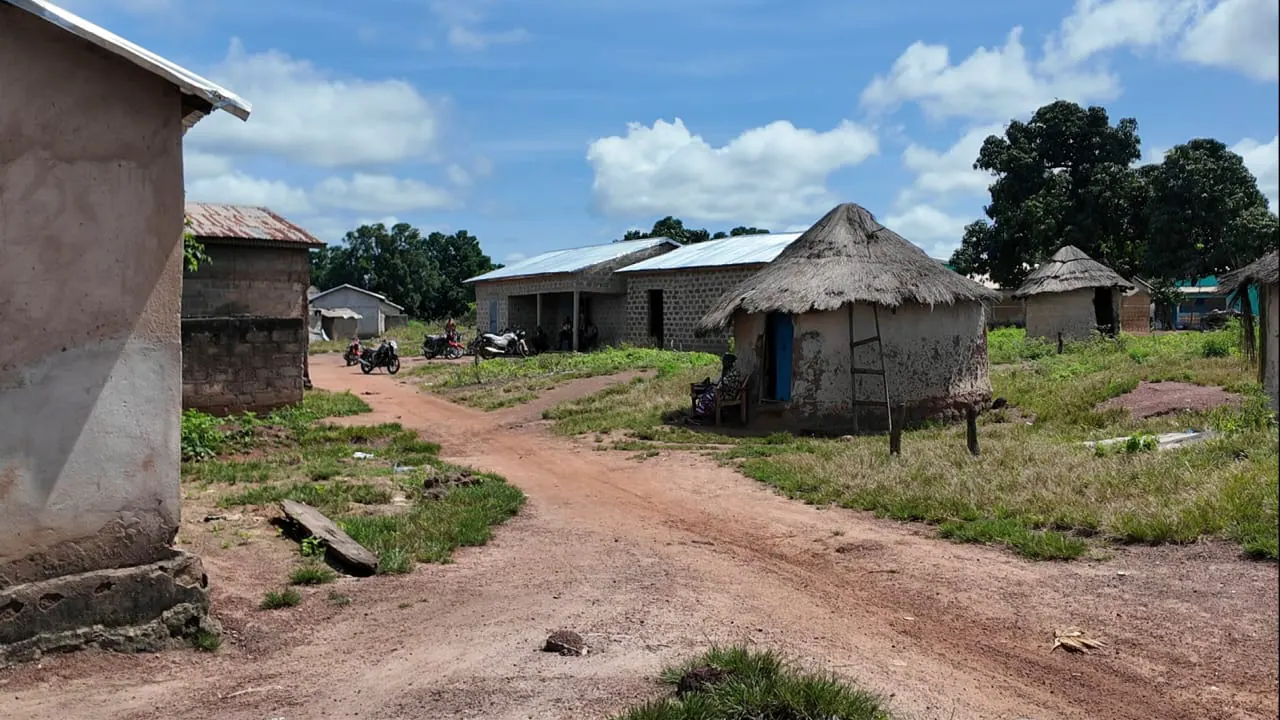
Located in the Mandiana prefecture, Linsoron is a rural village situated near the Malian border. Despite its proximity to the neighboring country, the village faces significant challenges in accessing basic services. With a population of 4,613 inhabitants, Linsoron struggles with inadequate infrastructure, including a lack of schools, poor road conditions, and limited access to healthcare and clean water. The village's residents have long relied on their own efforts to build and maintain certain facilities, but they are now urging the government to provide more support.
Education is a top priority for the villagers, who say that the lack of a proper school is hindering the development of their community. According to Kélèfa Diallo, president of the Linsoron district, the construction of two classrooms by the villagers themselves is a testament to their commitment to education. However, Diallo emphasizes that government assistance is crucial to improving the village's educational infrastructure. The villagers believe that education is essential to the growth and development of their community, and they are calling on the government to invest in their children's future.
The village's isolation is another major concern, with poor road conditions making it difficult for residents to transport their agricultural products to market. The villagers have to travel to Mandiana to sell their produce, but the lack of reliable transportation often results in spoilage and financial losses. To mitigate this problem, young people in the village have taken it upon themselves to maintain certain roads, but they acknowledge that this is not a sustainable solution. The villagers are urging the government to invest in infrastructure that will improve their access to markets and economic opportunities.
Healthcare is another area where Linsoron is facing significant challenges. Although the village has a health center, it lacks a medical doctor and essential equipment. According to Diallo, the villagers built the health center themselves, but it is not functioning optimally due to the shortage of medical staff and supplies. This forces residents to travel to other towns, such as Mandiana, to access medical care, which can be a significant burden, especially during the rainy season.
Access to clean water is also a major issue in Linsoron, with the village having only three water pumps for its population of over 4,000 inhabitants. When one of the pumps breaks down, residents have to rely on wells, which can be a challenge, particularly during the dry season. The villagers are calling on the government to invest in water infrastructure that will provide them with reliable access to clean water.
The residents of Linsoron are also demanding greater attention from the government, citing their obligations as taxpayers. They argue that they contribute to the national economy through their agricultural activities, but they do not receive sufficient support in return. The villagers are urging the government to recognize their rights as Guinean citizens and to provide them with the basic services they need to thrive.
The women of Linsoron are also calling for greater support from the government, particularly in the area of agriculture. They argue that they need access to inputs, such as fertilizers, to improve their productivity and livelihoods. The villagers are also requesting that Linsoron be upgraded to a sub-prefecture, which they believe will help to attract more investment and development to the area. However, they acknowledge that this is a long-term goal, and they are prioritizing the provision of basic services, such as education, healthcare, and clean water.
Key points
- The villagers of Linsoron are demanding basic services, including education, healthcare, and clean water, from the government.
- The village's isolation and lack of infrastructure are major challenges, with poor road conditions and limited access to markets and economic opportunities.
- The residents of Linsoron are calling on the government to recognize their rights as Guinean citizens and to provide them with the support they need to develop their community.