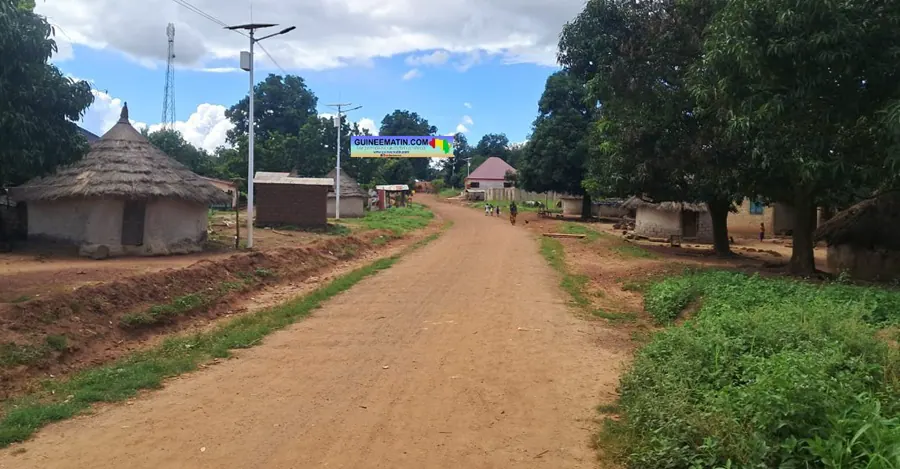
The sub-prefecture of Linko, located about 45 kilometers from Kérouané, is grappling with a significant shortage of potable water. The existing boreholes are insufficient to meet the population's needs, forcing some women to travel long distances to fetch water from nearby marshlands. This situation has become a pressing concern for the residents, who are finding it increasingly difficult to access this essential resource. The lack of potable water is affecting various aspects of life in Linko.
According to Dr. Mamoudou Camara, a former president of Linko's special delegation, the available water points are woefully inadequate. The new mayor, with the support of the population, has had two new boreholes drilled, which currently supply the population. Additionally, pipes have been installed to serve certain neighborhoods through small pumps, but the lack of batteries to power these installations hampers their effectiveness. The situation is particularly challenging for women.
The shortage of potable water disproportionately affects women, who often have to travel long distances to fetch water. Some women have to go to the marshlands, while others use the limited boreholes available in the town. This situation not only causes inconvenience but also poses health risks, as the consumption of water from unsecured sources can lead to water-borne diseases. The health implications of this shortage are a significant concern.
Dr. Mamoudou Camara emphasized the importance of access to clean water for human health. He stressed that it is crucial to have secure and clean water sources to prevent the spread of diseases. The consumption of contaminated water can lead to various health issues, and the current shortage may exacerbate this problem. The doctor's concerns highlight the need for urgent action to address the potable water shortage.
The shortage of potable water is particularly challenging for residents who spend their days working in the fields. Many residents work in agriculture and return home exhausted in the evenings. If water is not available from the pumps, they have to travel to the marshlands to fetch water, adding to their fatigue. The residents are calling for government assistance to drill more boreholes and alleviate their struggles.
The situation in Linko underscores the need for sustainable solutions to address the potable water shortage. The residents are relying on the government and other stakeholders to provide support and help them access this essential resource. The lack of potable water is a significant challenge that requires immediate attention and action. The community is hopeful that their plight will be addressed soon.
The struggle for access to potable water in Linko is a daily reality that the residents face. The situation is a reminder of the importance of investing in water infrastructure to ensure that communities have access to clean and safe water. The residents of Linko are eager for a lasting solution to their water woes, and efforts are being made to address this pressing issue.
Key points
- The sub-prefecture of Linko faces a severe shortage of potable water, affecting residents' daily lives and health.
- The shortage disproportionately affects women, who often have to travel long distances to fetch water from unsecured sources.
- The situation poses significant health risks, and residents are calling for government assistance to drill more boreholes and alleviate their struggles.