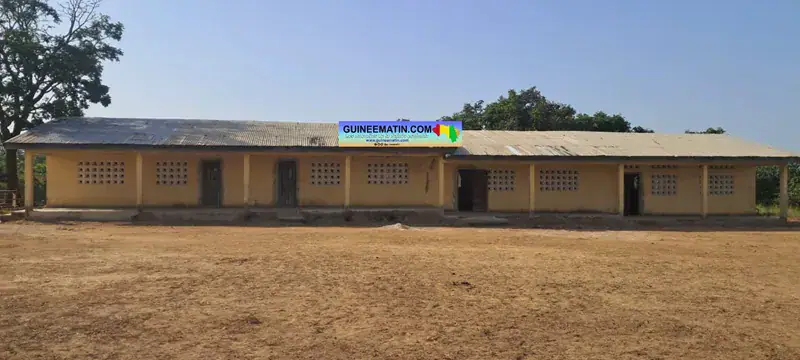
The college in Koumandou, a sub-prefecture in Guinea's Beyla region, is grappling with significant infrastructure and pedagogical challenges. Despite being built through community mobilization, the school's buildings are in a state of disrepair, with roofs damaged by wind and a lack of desks and chairs for students. The school's director, Gustave Délamou, expressed concern about the situation, highlighting the need for state support to address these issues.
The school's infrastructure problems are compounded by a shortage of teachers, with three additional educators needed to provide adequate pedagogical support to students. Délamou emphasized that the community has made efforts to maintain the school, including building a water point, but these initiatives are not a substitute for government support. The school's direction is also limited, with only one office that has a restricted capacity.
The community has shown remarkable resilience and commitment to education, with residents regularly mobilizing to make minor repairs and keep the school functional. However, Délamou stressed that the state must provide assistance to ensure the school can offer students a suitable learning environment. The college has been operating in difficult conditions since 2009, and the lack of resources is taking a toll on the education of local children.
The situation at Koumandou college highlights the challenges faced by educational institutions in rural Guinea. Despite the community's efforts, the school requires significant investment to provide students with a decent and conducive learning environment. The authorities are urged to address the urgent needs of the school, including improving infrastructure, providing furniture, and increasing the number of teachers.
The shortage of teachers and poor infrastructure are not unique to Koumandou college, but the situation is particularly dire in this rural area. With the community's efforts alone not being enough to sustain the school, government intervention is necessary to prevent the situation from deteriorating further. The college's future and the education of its students depend on prompt action from the authorities.
To address the challenges facing Koumandou college, the government needs to prioritize investment in education infrastructure and human resources. This includes providing the necessary funds to repair and upgrade the school's buildings, as well as recruiting additional teachers to support the existing staff. By doing so, the authorities can help ensure that students in Koumandou have access to quality education.
The plight of Koumandou college serves as a call to action for the Guinean government to prioritize education in rural areas. By providing support to schools like Koumandou, the authorities can help bridge the educational divide and provide opportunities for children in rural communities to succeed. The situation at Koumandou college is a reminder that education is a fundamental right that requires government support to ensure equal access for all.
Key points
- The college needs three additional teachers to provide adequate pedagogical support to students.