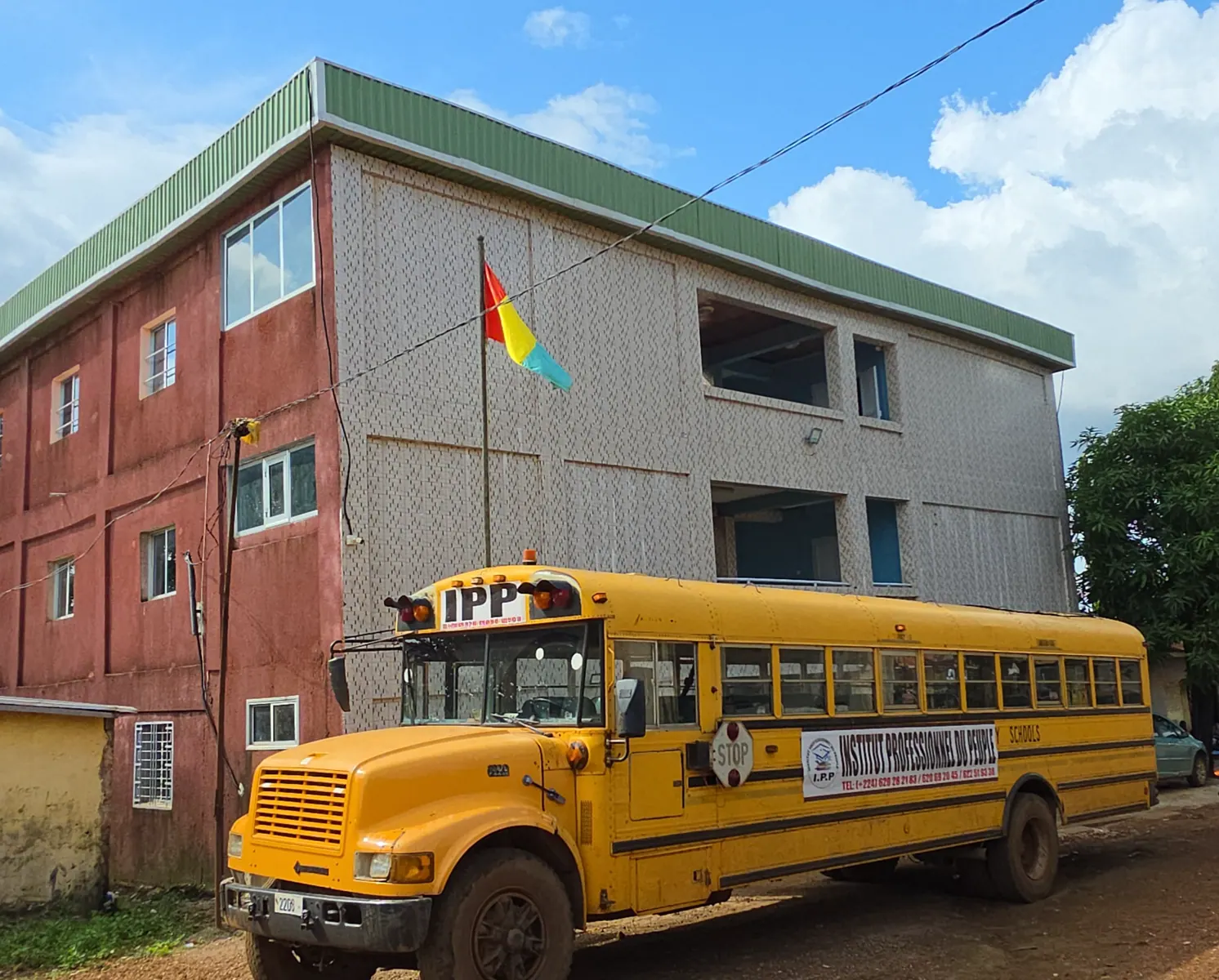
The Institut professionnel du peuple (IPP) in Guinea has been providing technical and vocational training to young people since its establishment in 2015. With campuses in Kakbélé and Sangarédi, the IPP offers a range of programs in fields such as healthcare, heavy machinery mechanics, topography, transportation and logistics, accounting and management, and mining operations. The institute's approach focuses on practical skills, with a goal of preparing students for the workforce. By partnering with companies and healthcare facilities, the IPP provides students with valuable work experience.
The IPP's emphasis on practical training sets it apart from other technical education institutions in Guinea. According to the director of studies, the institute prioritizes 70% practical training and 30% theoretical instruction, as recommended by the Ministry of Technical Education. This approach allows students to gain hands-on experience in their chosen field, making them more attractive to potential employers. In the healthcare program, for example, students begin learning professional skills in the first year through the institute's application center.
Students in the healthcare program also participate in internships at hospitals and healthcare facilities, including the prefectural hospitals in Dubréka and Coyah, and the Donka National Hospital in Conakry. These internships provide valuable work experience and help students build their skills and confidence. The IPP has also established partnerships with companies in the mining, logistics, and transportation sectors, including BIA Guinée, CBG, and ANAIM, to provide students with additional work experience and internship opportunities.
The IPP's partnerships with companies and healthcare facilities are a key part of its strategy to prepare students for the workforce. Students in the transportation, customs, logistics, and mining programs, for example, participate in internships with partner companies during their breaks or as part of their training. In the heavy machinery mechanics program, students in Sangarédi complete over six months of internship, while those in the topography program complete over three months of internship with partner companies.
The IPP's focus on practical training and internships appears to be paying off, with a high rate of job placement among graduates. According to the institute, over 80% of graduates from the Sangarédi campus and around 60% from the Kakbélé campus have found employment. The institute attributes these results to its emphasis on practical training and internship opportunities.
In addition to its academic programs, the IPP offers other benefits to its students, including free transportation to and from campus. This service helps to make it easier for students to attend classes and participate in internships and other activities. By providing a range of technical and vocational programs, practical training opportunities, and support services, the IPP aims to help young people in Guinea gain the skills and experience they need to succeed in the workforce.
The IPP's efforts to provide technical and vocational training to young people in Guinea are part of a broader effort to address unemployment and underemployment in the country. With its focus on practical skills and internship opportunities, the institute is helping to prepare students for the workforce and contribute to the country's economic development. The IPP's model could serve as a useful example for other education and training institutions in Guinea and beyond.
Key points
- The IPP's emphasis on practical training and internships has led to a high rate of job placement among graduates.
- The institute offers a range of technical and vocational programs in fields such as healthcare, heavy machinery mechanics, and logistics.
- The IPP has established partnerships with companies and healthcare facilities to provide students with valuable work experience and internship opportunities.