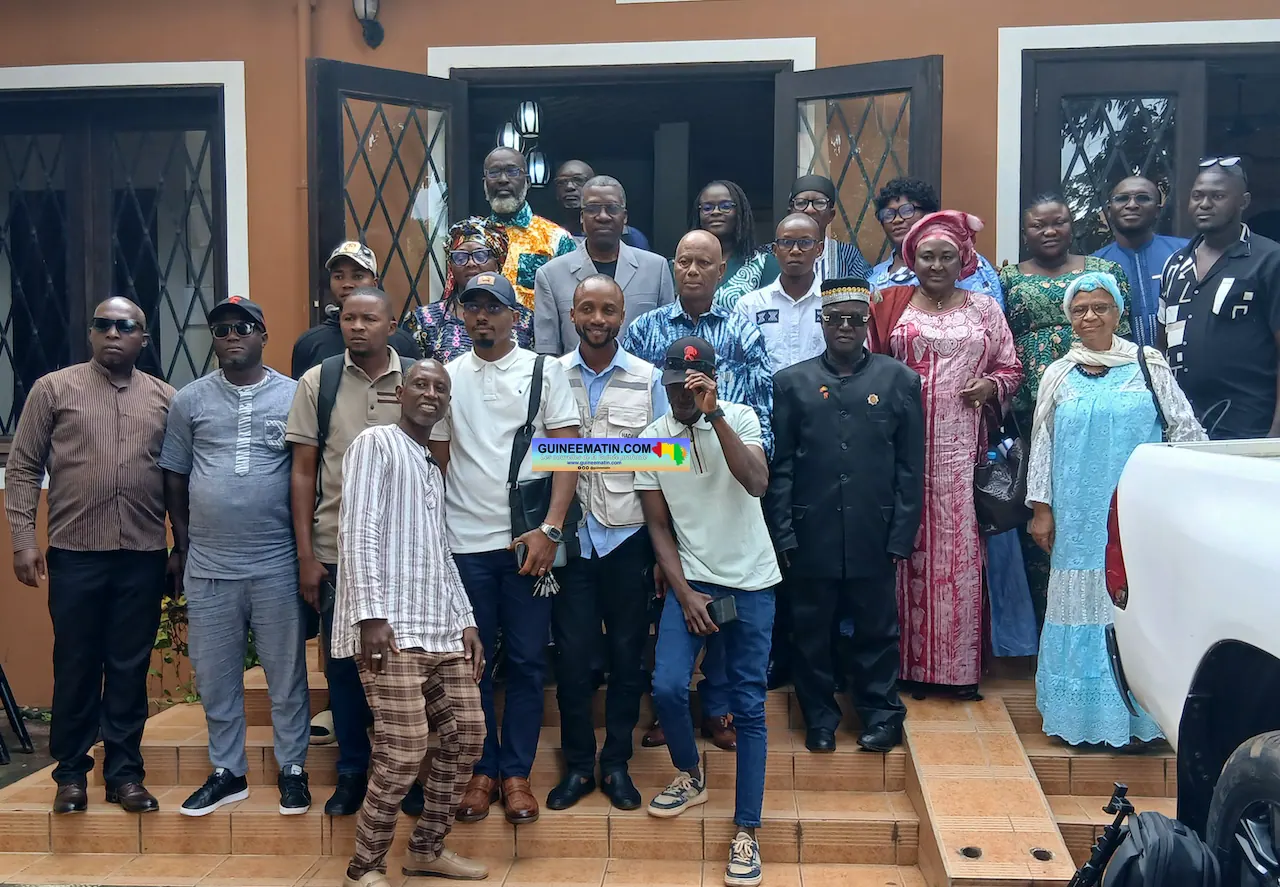
The High Authority of Communication (HAC) in Guinea has initiated a nationwide campaign to raise awareness about the legal conditions for creating and operating media outlets. The campaign, launched on October 5, 2026, in Kindia, aims to address what the institution describes as "disorder" in the media sector. According to HAC President Boubacar Yacine Diallo, the campaign will deploy commissioners to all 33 historical prefectures and 11 new prefectures to educate media professionals, promoters, and authorities on existing regulations.
The HAC has expressed concerns over the recent evolution of Guinea's media landscape, citing a surge in the creation of media outlets with little regard for regulatory frameworks. President Diallo noted that many young people have misunderstood the concept of web TV, leading to a proliferation of unauthorized media outlets. The HAC aims to engage directly with stakeholders to explain legal provisions and address challenges faced by media professionals. This approach is expected to promote a better understanding of the laws governing media operations in Guinea.
The national campaign has a dual objective. Firstly, it seeks to inform media professionals and aspiring media owners about the conditions stipulated by law. Secondly, it aims to involve administrative, communal, and religious authorities in the effort to sanitize the media landscape and encourage them to support the use of authorized media outlets. By engaging these stakeholders, the HAC hopes to reduce the reliance on unauthorized media and promote a more regulated media environment.
During the campaign, commissioners will explain the rules governing media creation and engage in discussions with local actors. The HAC will focus on clarifying the distinction between web TV and online visual press, two concepts that have been frequently confused. According to President Diallo, web TV is a classical television service that broadcasts primarily on the internet, whereas online visual press combines news articles with images and videos. Understanding this distinction is crucial, as many media outlets have been incorrectly classified as web TVs.
The HAC will also emphasize the different administrative formalities required for web TV and online visual press. While web TV requires authorization from the Ministry of Communication, following advice from the HAC, online visual press only needs to declare its existence to the prosecutor, similar to online and print press. By highlighting these differences, the HAC aims to promote compliance with regulatory requirements and prevent further misuse of media categories.
The campaign is part of a broader effort to promote the freedom of expression, create jobs for young people, and enforce legislation. President Diallo stressed that finding a balance between these objectives is crucial. The HAC's initiative is expected to enhance understanding of the laws governing media operations in Guinea and encourage responsible media practices. The campaign will continue in various prefectures, allowing commissioners to collect concerns and feedback from stakeholders.
In addition to the campaign, the HAC is expected to undergo reforms, including a change in its name. Further details about these reforms have not been disclosed, but they are anticipated to take place soon. The HAC's efforts to regulate the media landscape reflect the need for a more structured and accountable media environment in Guinea.
Key points
- The HAC campaign aims to address the "disorder" in Guinea's media sector by educating stakeholders about regulatory frameworks.
- The initiative focuses on clarifying the distinction between web TV and online visual press.
- The HAC seeks to balance the promotion of freedom of expression with the enforcement of legislation.