On October 19, Mohamed Lamine Bangoura, the former president of Guinea's Constitutional Court, was handed a severe sentence by the Court for the Repression of Economic and Financial Offenses (CRIEF). He was convicted to 7 years in prison, a 2 billion franc guinéen fine, and ordered to pay 41 billion francs guinéens to the state as damages. The court also ruled for the confiscation of his assets. This decision has sparked varied reactions from his lawyers.
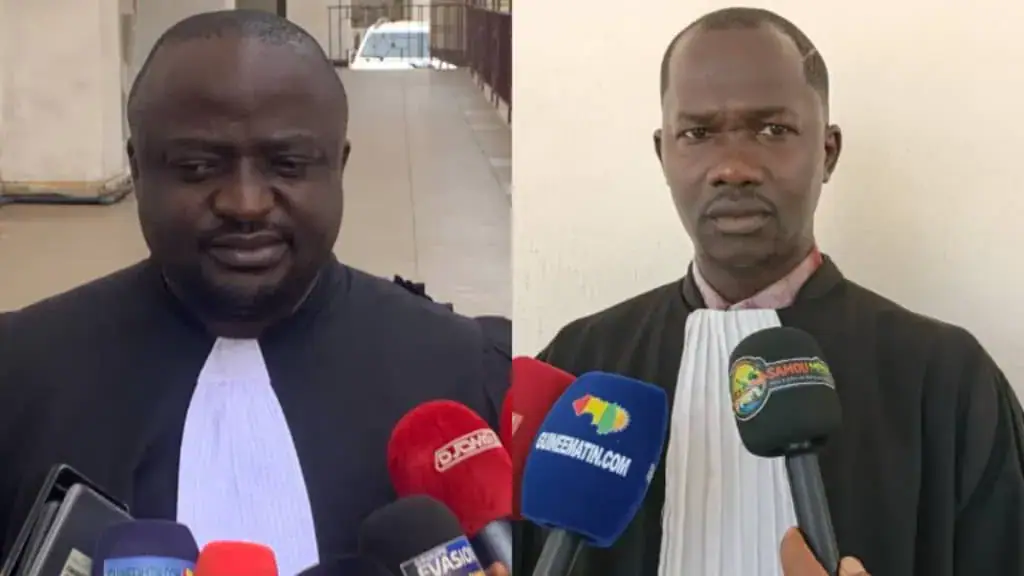
Maitre Fascinet Soumah, Bangoura's lawyer, expressed his dismay and disappointment at the verdict. He described the sentence as "catastrophic" and "extraordinary," indicating it did not reflect the case's proceedings from the investigation stage to the judgment chamber. Soumah stated his intention to review the detailed judgment and analyze it further. He immediately filed an appeal, labeling the decision as "illegal, contrary to common sense, and an affront to Mohamed Lamine Bangoura's dignity and consideration."
According to Maitre Fascinet Soumah, Mohamed Lamine Bangoura has had a distinguished career spanning 40 years, during which he achieved material success and was a property owner before his tenure at the Constitutional Court. Soumah highlighted that Bangoura had a regular income from the court, questioning the rationale behind the confiscation of his assets. He warned that such a decision could deter individuals from serving the state, fearing similar treatment.
In contrast, Maitre Antoine Pépé Lama, representing the civil party, welcomed the verdict with satisfaction. He stated that the decision aligns with Guinea's efforts to moralize public life and recover embezzled state assets. Lama emphasized that the sentence should serve as a deterrent to public officials who might misuse their positions for personal gain, stressing the importance of transparency in managing public resources.
Maitre Lama further elaborated on the significance of the verdict, noting it marks a step forward in the state's campaign against corruption and asset misappropriation. He assured that the state will take necessary steps to enforce the decision, including the confiscation of the convicted individual's assets. Lama expressed optimism that this case is just the beginning, with further investigations and prosecutions expected.
The case against Mohamed Lamine Bangoura is part of a broader crackdown on corruption and financial malfeasance within Guinea's public sector. The CRIEF court's decision reflects the government's resolve to hold accountable those who have abused their positions for personal enrichment at the expense of the state. This development has been closely watched by both national and international observers.
As the legal proceedings continue, the focus remains on the enforcement of the verdict and potential appeals. The case of Mohamed Lamine Bangoura serves as a significant test of Guinea's judicial system and its commitment to combating corruption and ensuring accountability among public officials. The reactions from the legal community and the public are indicative of the complex and often contentious nature of such cases.
Key points
- The former president of Guinea's Constitutional Court, Mohamed Lamine Bangoura, has been sentenced to 7 years in prison and fined 2 billion francs guinéens.
- The verdict includes a requirement for Bangoura to pay 41 billion francs guinéens in damages to the state and the confiscation of his assets.
- The decision has elicited mixed reactions, with Bangoura's lawyers appealing the sentence and the state's representatives welcoming it as a step towards accountability and asset recovery.