Guinea's football sector is experiencing a moment of great change. The election of a new president to the Guinean Football Federation, the historic win of the U20 team at the UFOA-A tournament, and the prospect of hosting a future Africa Cup of Nations have rekindled hopes of a revival. The country has never lacked individual talent but has often struggled with a stable and efficient system to ensure a lasting legacy.
The election of Mamady Doumbouya as president of the FEGUIFOOT on October 27, 2026, marks a new chapter. The challenge lies in building solid institutions, professionalizing competition management, ensuring transparency in resource allocation, and involving all stakeholders in strategic decision-making. Independent mechanisms for ethics, financial control, and project evaluation would be a strong signal. A governance structure is judged by its results and the legacy it leaves behind.
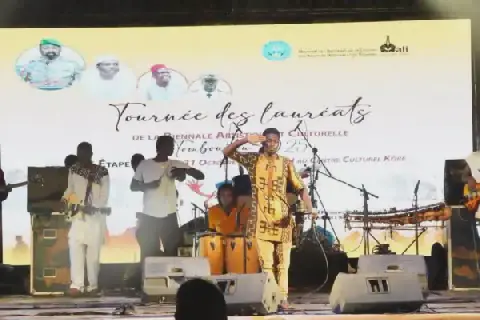
The national U20 team, also known as the Syli National, made history by winning the UFOA-A tournament in Bamako on October 30, 2026, defeating Gambia 1-0 in the final. This victory confirmed their qualification for the 2027 U20 CAN. The team's success is a testament to the potential of Guinean football. The school football sector also shows promise, with the U18 team becoming vice-champion of the world in Suzhou, China.
The success of Guinean teams in various international competitions highlights the need for a comprehensive national sports policy. The return of Horoya AC to the continental scene demonstrates the potential of Guinean clubs. However, many young players with promise disappear from the radar after international competitions. The real success of a generation lies not only in the trophies they win but also in the system they help to improve.
Sustainable football development begins in schools, neighborhoods, clubs, and academies across Guinea. A national detection program, enhanced training for coaches, and better coordination between academies, clubs, and national teams are essential. The revival of school and university sports, with regular competitions and accessible infrastructure, should be a priority.
The Guinean football championship needs to be professionalized, with a focus on a regular calendar, adapted infrastructure, media coverage, and diversified resources. Stricter licensing criteria, including solvency, transparency, and regular salary payments, would secure the sports environment and attract private investors. The women's football sector and youth categories should also receive equal attention and investment.
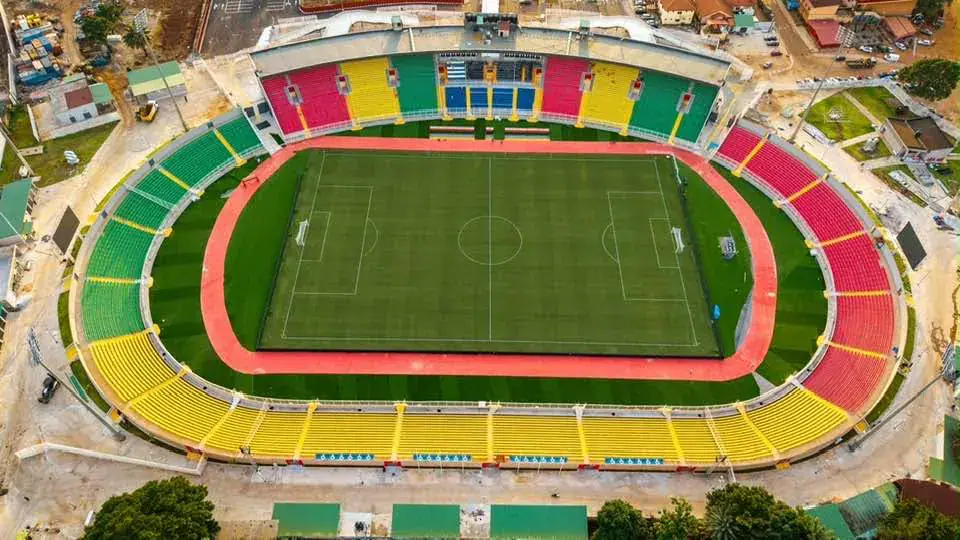
Guinea's bid to host the 2032 and 2036 Africa Cup of Nations is a significant opportunity. However, the country must combine ambition with realism, considering the requirements for hosting such an event, including modern stadiums, transportation infrastructure, hotel capacity, and international-standard administrative organization. The goal is to leave a lasting legacy that benefits Guinean clubs, youth, and the economy.
Key points
- The Guinean government and football stakeholders are being urged to develop a comprehensive plan to harness the country's football potential.