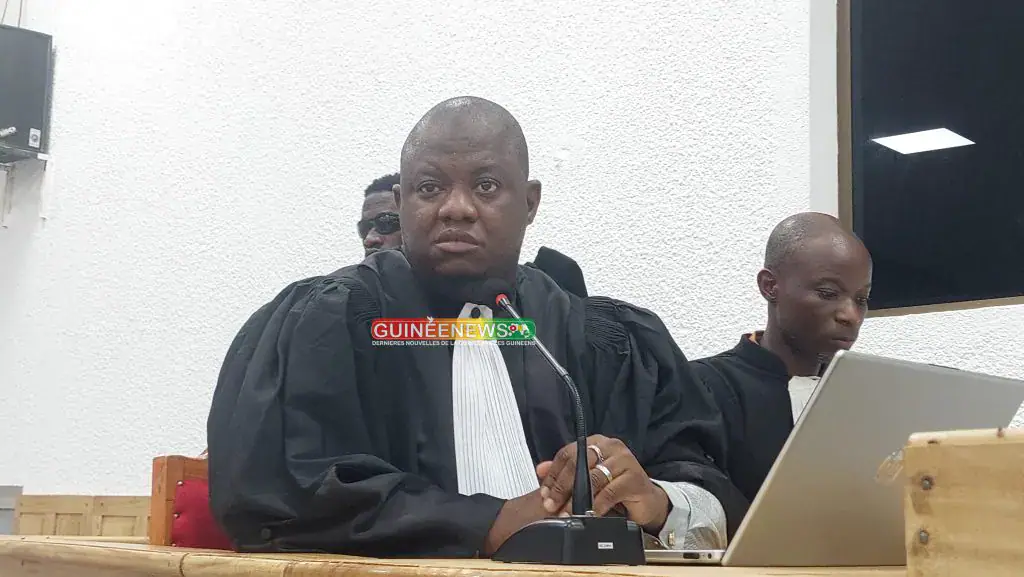
The environmental situation in Guinea's Siguiri prefecture continues to deteriorate due to mining activities, prompting strong reactions from various stakeholders. According to Alphonse Charles Wright, prosecutor special of the Court of Repression of Economic and Financial Infractions (CRIEF), the situation is a long-standing reality that requires immediate attention from administrative authorities and technical services. Wright recently spoke out on the issue during an interview on Télé 24, denouncing the inadequacies in protecting the population and calling for genuine responsibility at all levels of administration.
Wright described the environmental conditions in Siguiri as particularly challenging for inhabitants, marked by extreme heat, high dust concentrations, and water pollution. These factors, he argues, expose the population to serious health risks and compromise their living conditions. The prosecutor special emphasized that the degradation of water resources is a direct threat to communities, stressing that "without water, there is no life." He called for in-depth action against the causes of this environmental crisis, rather than superficial solutions.
Wright criticized the intermittent interventions and reactions that have failed to provide sustainable solutions to Siguiri's environmental situation. He referenced a viral video attributed to a Burkinabè national, who allegedly declared intentions to contribute to the destruction of Guinea's environment for Burkina Faso's development. Wright urged that the debate not be limited to this single incident, but rather focus on the deeper, long-standing reality of environmental degradation.
Beyond the environmental assessment, Wright emphasized the responsibilities of administrative authorities and services responsible for monitoring mining activities. He believes that any shortcomings should be investigated at all levels of administration, from local authorities to technical services and the mining department. Prefects, sub-prefects, district presidents, and other local officials cannot be excluded from examining responsibilities related to monitoring mining activities and protecting the population.
Wright also mentioned the existence of unwritten customary practices that govern certain activities in concerned localities. He deemed it necessary to examine these practices to better understand the relationships between mining operators, riverine communities, and local authorities. The prosecutor special stressed the importance of comparing different versions and gathering solid evidence to establish each actor's responsibilities, rather than drawing conclusions from isolated testimonies.
For Wright, protecting the environment and public health must be an absolute priority. Competent authorities have a duty to intervene when citizens' living conditions are threatened by economic and mining activities. He advocated for better coordination between administrative structures, technical services, and regulatory authorities to ensure effective application of existing regulations. Wright's intervention highlights the collective responsibility in Siguiri's environmental degradation, targeting not only mining operators but also administrative officials and control structures.
The environmental crisis in Siguiri underscores the need for a comprehensive and coordinated response from authorities to address the health risks and pollution caused by mining activities. Wright's call to action emphasizes the importance of prioritizing environmental protection and public health, and holding authorities accountable for their role in preserving natural resources and safeguarding the population. The situation in Siguiri serves as a critical reminder of the need for sustainable and responsible management of natural resources in Guinea.
Key points
- The environmental degradation in Siguiri is a long-standing issue that requires immediate attention and action from authorities.
- The prosecutor special emphasizes the need for a comprehensive and coordinated response to address the health risks and pollution caused by mining activities.
- Authorities must prioritize environmental protection and public health, and be held accountable for their role in preserving natural resources and safeguarding the population.