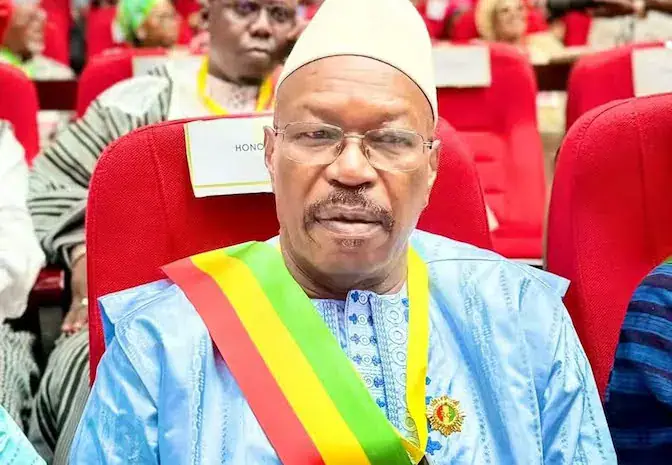
During a plenary session in Conakry, Guinean parliamentarian Dr. Ousmane Kaba raised concerns about the paradoxical situation in Guinea's energy sector. He questioned the export of electricity to countries such as Gambia, Senegal, and Guinea-Bissau, while many areas within Guinea, including the capital Conakry, still face significant challenges in accessing electricity. Dr. Kaba's comments came during the examination and adoption of the "public revenues" section of the 2026 revised Finance Law.
Dr. Kaba expressed his surprise at the existing agreements that allow Guinea to export electricity to neighboring countries. He claimed that when he inquired about this issue with the Minister of Energy, the minister replied that they had inherited these agreements. Dr. Kaba found this response unsatisfactory and suggested that if previous agreements could be terminated, there was no reason not to review or cancel these particular agreements. He emphasized the need for a more thorough examination of the revenue generated from electricity exports.
The export of electricity from Guinea to Gambia, Senegal, and Guinea-Bissau is part of a regional interconnection project led by the Organization for the Development of the Gambia River (OMVG). This project aims to interconnect the electrical networks of four countries: Guinea, Gambia, Senegal, and Guinea-Bissau. The interconnection line, which became operational in 2015, facilitates energy exchanges between member states and helps to stabilize the power supply in the region.
A key component of this interconnection project is the Kaléta hydroelectric dam, located in Guinea, which has an installed capacity of 240 megawatts. The dam was inaugurated in 2015 under the presidency of Alpha Condé. The project has enhanced regional cooperation in the energy sector and provided a more reliable source of electricity for participating countries. However, Dr. Kaba's concerns highlight the need to balance Guinea's energy export policies with the domestic need for electricity.
Dr. Kaba's comments have sparked a renewed debate about Guinea's energy priorities and the management of its electricity resources. He expressed frustration that despite being a significant exporter of electricity, Guinea still struggles to provide adequate power to its own population. This paradox has raised questions about the effectiveness of the country's energy policies and the distribution of resources.
The issue has also drawn attention to the role of the Ministry of Energy and the Ministry of Finance in managing Guinea's energy sector. Dr. Kaba indicated that he had intended to question the Minister of Finance about the revenue generated from electricity exports and how it is accounted for in the country's public finances. This scrutiny is essential for ensuring transparency and accountability in the management of Guinea's natural resources.
As Guinea continues to navigate its energy challenges, the call for a review of its electricity export agreements is gaining momentum. The country's participation in regional energy projects, such as the OMVG interconnection, is crucial for promoting cooperation and stability in the region. However, addressing domestic energy needs must remain a priority for the Guinean government.
Key points
- Dr. Ousmane Kaba questions Guinea's export of electricity to neighboring countries while many areas within Guinea still lack access to electricity.