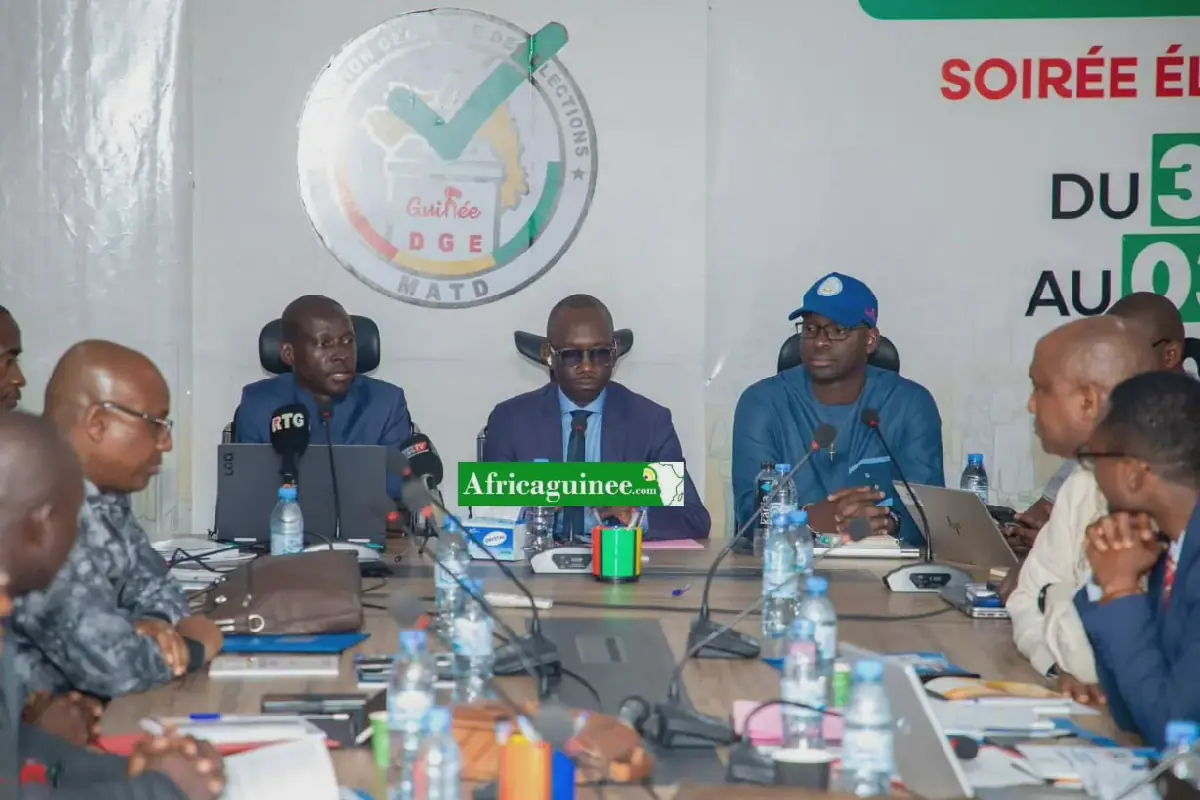
Guinea's electoral process has reached a significant milestone with the validation of 50 provisional candidatures for the Senate elections in Conakry. The Director-General of Elections (DGE) announced the list of approved candidates for the capital's various communes. This development comes just under a month before the December 20 Senate elections. The list includes well-known figures in Guinean politics and administration.
The validation process is in accordance with Guinea's electoral code and recent presidential decrees setting the electoral calendar. The DGE's decision, signed by Mohamed Aly Condé, includes a detailed list of candidates by commune. The publication of this list is a mandatory step in the electoral process. It allows for public scrutiny and transparency in the run-up to the elections.
Several prominent figures are among the validated candidates. Baidy Aribot, a former minister and vice-governor of the Central Bank of the Republic of Guinea, is a notable contender. Dre Hadja Fatou Sikhé Camara, former director-general of Donka National Hospital, and Mamadouba Tos Camara, former mayor of Matoto commune, are also in the race. Another candidate is Joachim Baba Millimouno, a former communication coordinator for the dissolved UFDG party.
The DGE's decision outlines the responsibilities of various officials in implementing the electoral process. The Deputy Director-General of Elections, Technical Advisor, and Heads of administrative and financial services are tasked with ensuring the smooth execution of the elections. This includes the Directors of technical departments and regional, prefectural, and communal electoral offices.
The validated candidatures represent a diverse range of backgrounds and experiences. The presence of former ministers, administrators, and party officials highlights the competitive nature of the Senate elections. Voters in Conakry will have a range of choices as they head to the polls on December 20.
The electoral body has adhered to the legal framework governing the elections. The publication of the provisional list is a critical step in ensuring the integrity and transparency of the electoral process. The DGE's decision reflects the ongoing efforts to conduct free and fair elections in Guinea.
As the election date approaches, stakeholders and observers will be monitoring the process closely. The inclusion of well-known figures in the validated list is expected to generate significant interest among voters. The Senate elections will be an important test of Guinea's democratic processes and the credibility of its electoral institutions.
Key points
- The Director-General of Elections in Guinea has validated 50 provisional candidatures for the Senate elections in Conakry.