Guinea's education sector is bracing for a return to normalcy as the Intersyndicale de l'éducation, a coalition of education unions, has called on teachers to resume classes. The appeal comes after a meeting held last month at the SLECG headquarters, where tensions were running high over the recruitment of new teachers and the implementation of a protocol agreement signed with the government on January 3, 2026. The agreement aimed to address long-standing issues in the education sector.
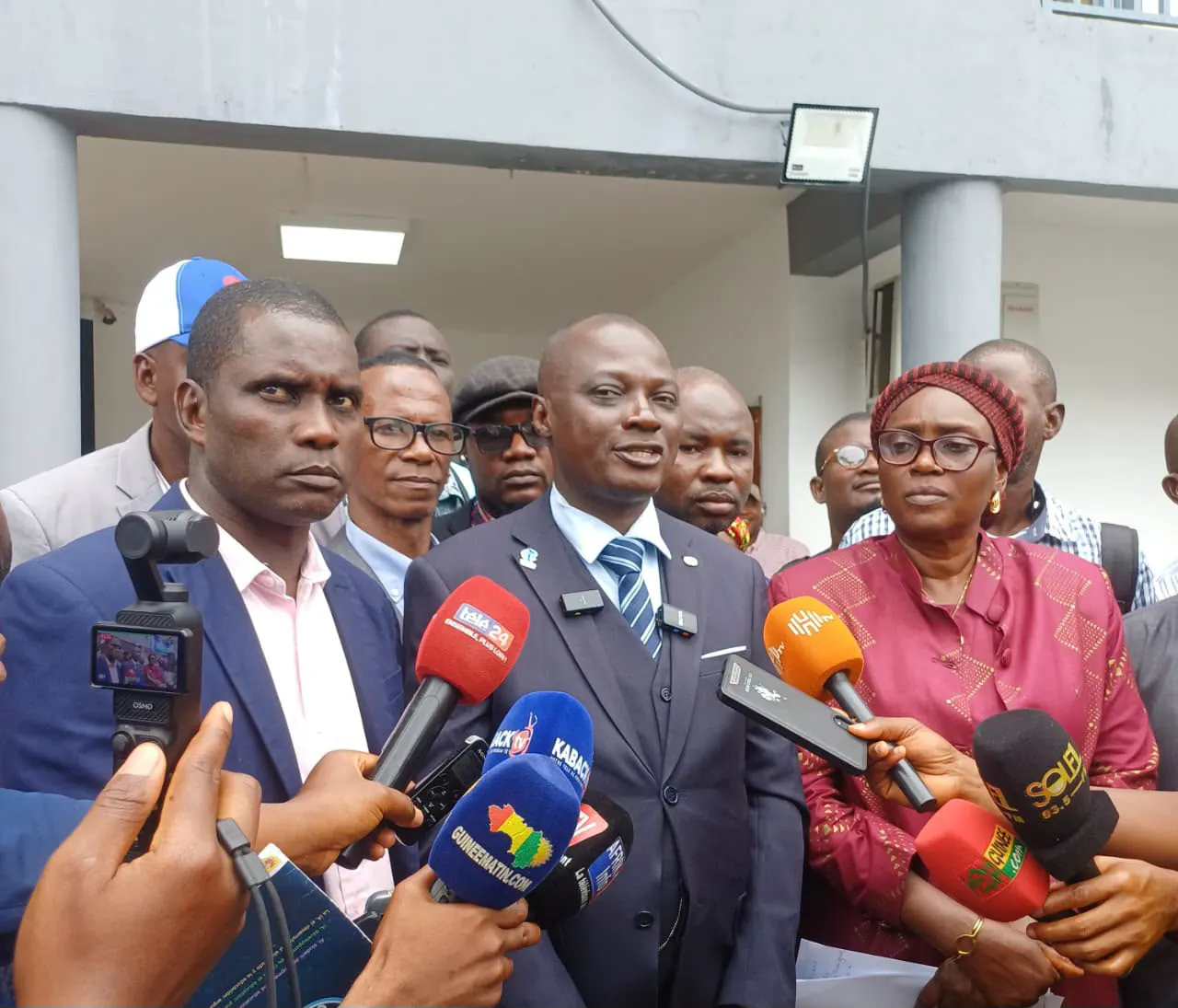
The Intersyndicale de l'éducation, comprising the FSPE, SNE, and SLECG unions, has clarified its position, stating that it does not currently intend to go on strike. Instead, the union is urging teachers to continue their work. Pépé Balamou, the secretary-general of the SNE, emphasized that the union is not in possession of a list of demands or a strike notice. He noted that the threat of a strike has been effective in prompting the government to engage in dialogue.
According to Pépé Balamou, a monitoring committee has been established to oversee the implementation of the resolutions agreed upon in the January 3, 2026 protocol. The committee, presided over by Dr. Alia Camara, president of the Conseil national du dialogue social, aims to ensure that the government adheres to its commitments. The Intersyndicale de l'éducation is optimistic that this committee will help to resolve outstanding issues.
The Intersyndicale de l'éducation has called on teachers to resume classes nationwide, starting from October 5, 2026. Pépé Balamou urged teachers to continue their didactic, pedagogical, and academic activities, assuring them that the union will continue to negotiate on their behalf. The union is seeking to address concerns around the recruitment of new teachers and the application of the protocol agreement.
Key issues that remain at the center of discussions include the status of contract teachers who were not retained after evaluation and those working in the special zone of Conakry. The Intersyndicale de l'éducation has asked these teachers to trust the union to find a solution in line with point 7 of the protocol agreement. The union is also calling on the government to prioritize social dialogue and respect the commitments made in the January 3, 2026 agreement.
While the Intersyndicale de l'éducation is committed to finding a peaceful resolution, Pépé Balamou warned that the union reserves the right to use its means of pressure if negotiations fail. The union is keen to avoid a strike, which would disrupt the academic calendar and impact students. By resuming classes, teachers can help to ensure that students do not suffer undue hardship.
The Intersyndicale de l'éducation's efforts to avoid a strike are seen as a positive development for Guinea's education sector. The sector has faced numerous challenges in recent years, including teacher shortages and inadequate infrastructure. By engaging in dialogue and seeking solutions, the union and the government can work together to address these challenges and improve the quality of education in Guinea.
Key points
- The Intersyndicale de l'éducation has called on teachers to resume classes nationwide, starting from October 5, 2026.
- A monitoring committee has been established to oversee the implementation of the resolutions agreed upon in the January 3, 2026 protocol.
- The union reserves the right to use its means of pressure if negotiations with the government fail.