After nearly three decades of accumulating waste, Guinea's Dar-es-Salam landfill is slated to close permanently. The site, which spans over 280,000 square meters, has accumulated more than 9 million cubic meters of waste, equivalent to 7.2 million tons. The landfill has released 250,000 tons of methane into the atmosphere, equivalent to 6 million tons of CO2, and has contaminated the soil, groundwater, and coastal areas.
The closure of the landfill is a significant step towards addressing the environmental and health concerns of the surrounding communities. According to estimates, between 150,000 and 250,000 people lived within a 2-kilometer radius of the site, with nearly 2 million people exposed over a 25-year period. The landfill has caused thousands of cases of bronchitis and chronic asthma, as well as birth defects and other health problems.
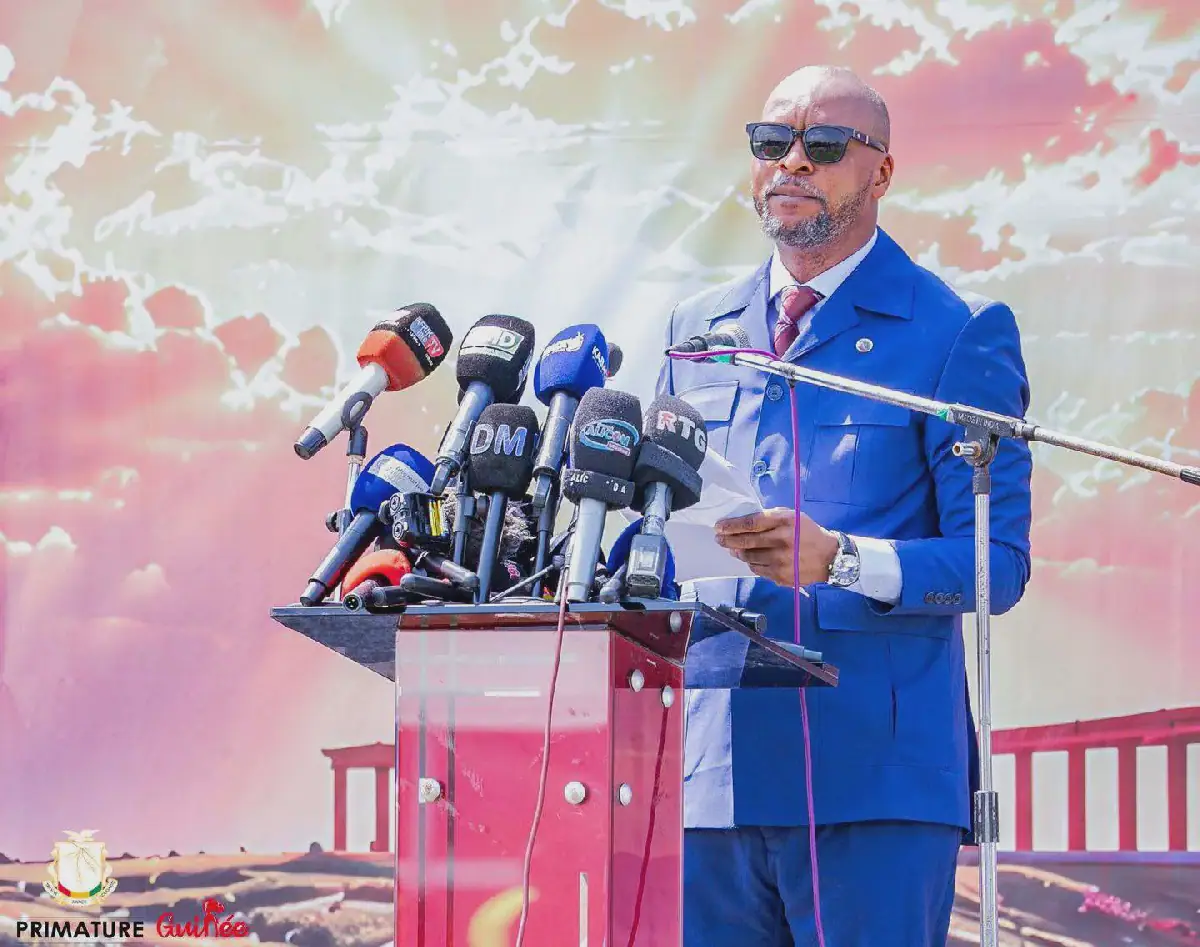
Guinea's Minister of Sanitation, Hydraulics, and Hydrocarbons, Aboubacar Camara, has described the landfill as a "national shame." He emphasized that the closure of the site is a crucial step towards improving the sanitation and environmental conditions in Conakry, the capital city. The minister also highlighted the importance of community involvement in maintaining public hygiene and preventing the creation of new, unauthorized waste dumps.
The closure of the Dar-es-Salam landfill is part of a broader effort to improve sanitation and environmental management in Conakry. The government plans to transform the site into an urban park, which will be open to the public and feature green spaces. The park is expected to become a symbol of the country's commitment to environmental protection and a source of pride for the local community.
Minister Camara has emphasized that the success of this initiative will depend on the involvement of all stakeholders, including local communities, businesses, and citizens. He has called for a collective effort to promote a culture of hygiene and sanitation, starting from schools and community centers. The government aims to make environmental protection a national priority and to promote sustainable practices throughout the country.
The Dar-es-Salam landfill closure is considered a historic event by Minister Camara, as it marks a significant turning point in the country's approach to waste management and environmental protection. The minister has expressed hope that the urban park will become a popular destination for recreation and a symbol of the country's commitment to sustainability.
The transformation of the Dar-es-Salam landfill into an urban park is expected to have a positive impact on the local environment and community. The project is seen as a key step towards improving the quality of life for residents and promoting a culture of environmental stewardship in Guinea.
Key points
- The Dar-es-Salam landfill in Guinea is set to close and transform into an urban park, marking a significant step towards addressing environmental and health concerns in the area.
- The closure of the landfill is expected to improve sanitation and environmental conditions in Conakry, the capital city, and promote a culture of hygiene and sustainability.
- The success of the initiative will depend on the involvement of all stakeholders, including local communities, businesses, and citizens, in promoting environmental protection and sustainable practices.