The trial of Ahmed Sékou Traoré, former president of the special delegation of Ratoma commune, began on November 2, 2026, at the Court of Repression of Economic and Financial Infractions (CRIEF) in Guinea. Traoré is accused of embezzling 32 billion francs guinéens, along with his former communal receiver, Aboubacar Camara. The case involves allegations of embezzlement of public funds, corruption of public officials, forgery, and money laundering.
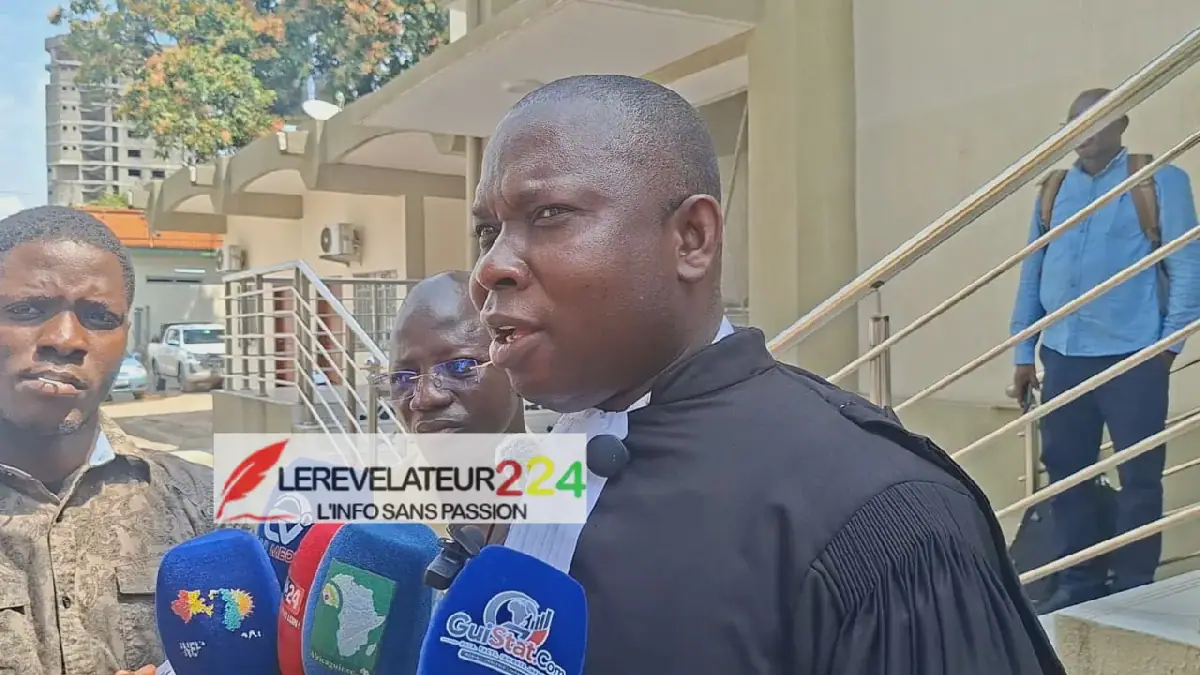
During the first day of hearings, Traoré faced intense questioning from the court and special prosecutor. His lawyer, Me Bernard Saa Dissi Milimouno, representing the civil party, expressed concerns about Traoré's ability to respond to questions. Milimouno stated that Traoré seemed to be struggling significantly, particularly when asked to justify elements in his own documents. The lawyer noted that Traoré's responses were often contradicted by documents produced for his defense.
Milimouno highlighted that Traoré's difficulties were acknowledged by the president of the judging chamber, who repeatedly inquired about the defendant's well-being during the interrogation. Despite Traoré's assurances that he was fine, the lawyer suggested that the defendant's struggles might be due to a poorly constructed defense or an attempt to conceal information. The case has been ongoing since June 2026, and Milimouno expressed surprise at Traoré's inability to respond more easily to the court's questions.
The trial was adjourned until November 16, 2026, to allow the defense to better prepare for the next stage of the proceedings. Milimouno welcomed the postponement, hoping it would enable the defense to regroup and provide more coherent responses. He also noted that the case, being a flagrant delict, should have proceeded more quickly. The lawyer expressed anticipation for the next hearing, expecting further clarification on the case.
The case against Traoré and Camara involves multiple counts, including embezzlement of public funds, corruption, forgery, and money laundering. If convicted, the defendants face significant penalties. The CRIEF court has been established to tackle economic and financial crimes in Guinea, and this case is seen as a test of its effectiveness.
The trial's outcome is closely watched by the Guinean public, who are eager to see accountability for alleged financial crimes. The case has sparked concerns about corruption and mismanagement of public funds in the country. As the trial continues, it is expected to shed more light on the alleged embezzlement and the roles of the defendants.
The next hearing is scheduled for November 16, 2026. The court is expected to hear further testimony and review additional evidence. The case's progression will be closely monitored by stakeholders, who hope for a fair and just outcome.
Key points
- Defendant Ahmed Sékou Traoré struggled to justify financial records during the trial.
- The case involves allegations of embezzlement of 32 billion francs guinéens.
- The trial has been postponed until November 16, 2026, to allow the defense to regroup.