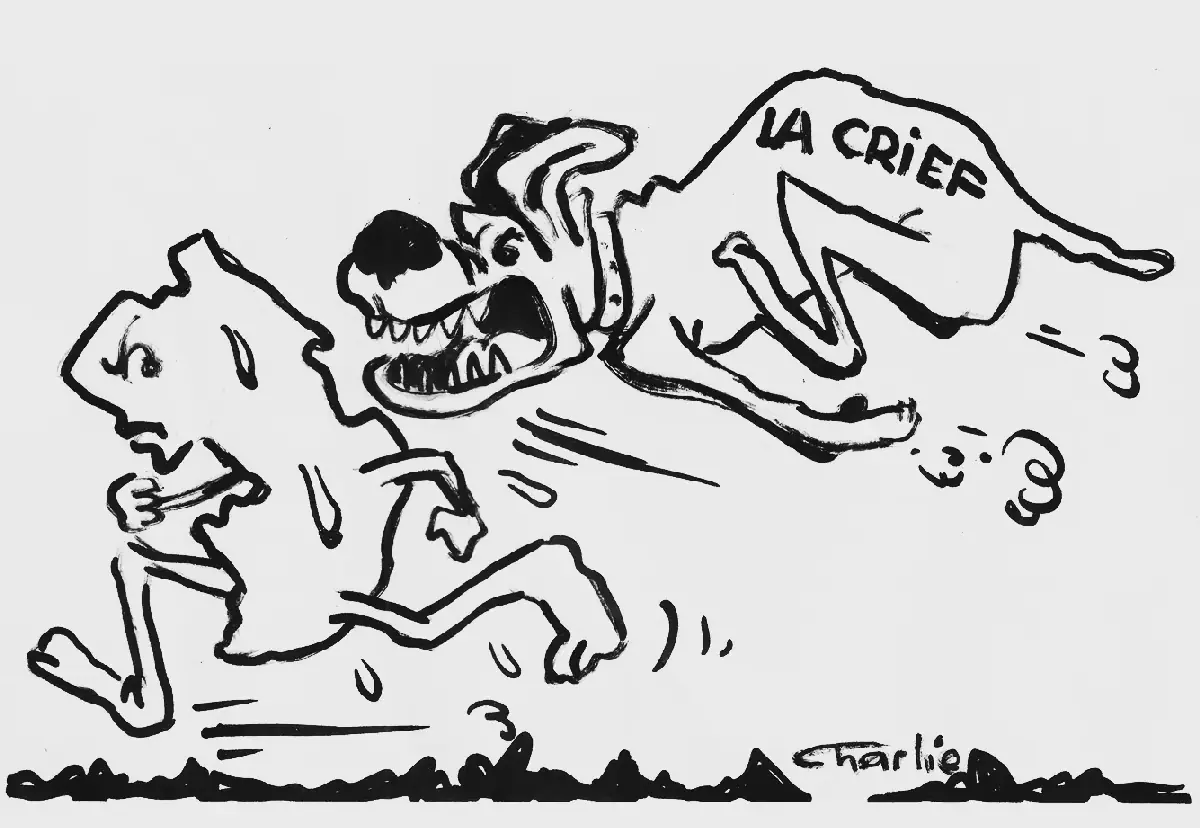
In Guinea, the CRIEF, led by Charles Alphonse Wright, has been accusing numerous individuals of corruption without trial, sparking fear and anxiety across the country. The CRIEF's method of operation involves a "sack of grievances" that seems to grow larger as more people are accused. Those accused are often prohibited from leaving the country, and their names are publicly disclosed, leading to social and economic consequences. This has resulted in a culture of fear, where people are hesitant to take on responsibilities or sign documents.
The CRIEF's actions have affected various individuals, including directors and former directors, who have been banned from leaving the country. For instance, on November 2, the Director General of the Fonij and three former directors were prohibited from leaving Guinea. This measure is not a formal imprisonment but has severe consequences, as it restricts their freedom and causes economic hardship. The CRIEF's methods have raised concerns about the rule of law and due process in Guinea.
The CRIEF's "sack of grievances" appears to be an all-encompassing tool that accuses, prohibits, seizes, and recalls individuals. Its methods have led to a situation where people are presumed guilty until proven innocent. Many individuals have taken steps to protect themselves, such as burning documents or avoiding responsibilities. This has resulted in a culture of mistrust and fear, where people are reluctant to engage in economic activities or take on leadership roles.
The impact of the CRIEF's actions extends beyond the individuals accused, affecting their families and communities. Children of accused individuals have faced social stigma and bullying at school, where they are often asked how much their parents have "taken." The CRIEF's methods have also led to a situation where people are more focused on protecting themselves than on addressing corruption.
While some argue that the CRIEF's efforts aim to combat corruption, its methods have raised concerns about the rule of law and human rights. The CRIEF's actions have resulted in a situation where people are more afraid of being accused than of committing crimes. This has created a culture of silence, where people are reluctant to speak out against corruption or report suspicious activities.
The CRIEF's actions have also had economic consequences, as individuals and businesses are hesitant to invest or engage in economic activities due to fear of being accused. This has resulted in a decline in economic growth and a loss of investor confidence. The Guinean government must balance the need to combat corruption with the need to protect human rights and ensure due process.
In conclusion, the CRIEF's actions have sparked fear and anxiety across Guinea, leading to a culture of mistrust and silence. While the need to combat corruption is essential, it must be done in a way that respects human rights and the rule of law. The Guinean government and the international community must work together to ensure that the CRIEF's actions are transparent, accountable, and fair.
Key points
- The CRIEF's methods have resulted in a culture of fear, where people are presumed guilty until proven innocent.
- The CRIEF's actions have had severe consequences, including economic hardship and social stigma, for individuals and their families.
- The Guinean government must balance the need to combat corruption with the need to protect human rights and ensure due process.