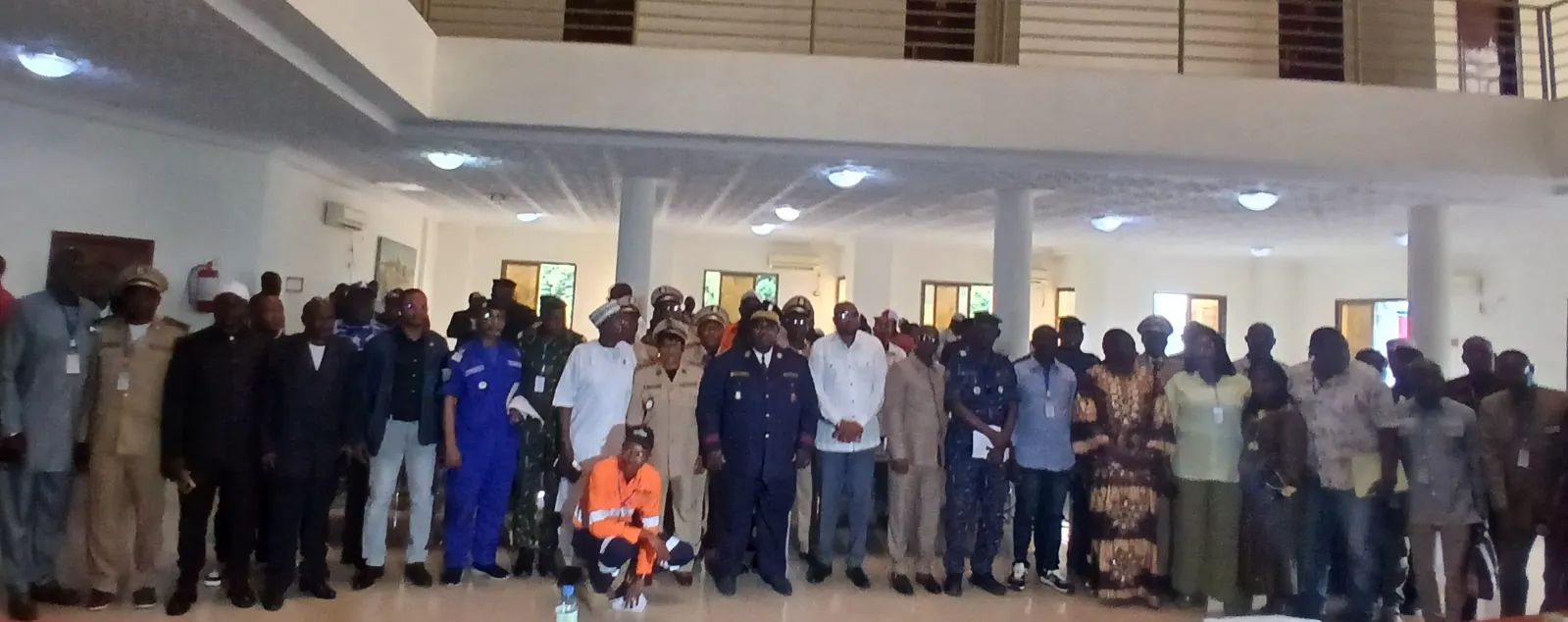
The prefecture of Boké in Guinea has restarted its annual sessions of the Administrative Council (CAP) after a six-year hiatus. The sessions, which began on September 23, 2026, will run for 72 hours at a local hotel complex. The opening ceremony drew regional, prefectural, and communal authorities, along with military and customary leaders, representatives from NGOs, and sectoral administrative service officials.
According to observers, the CAP's revival aims to address a critical need to revitalize local governance, which had been stagnant for an extended period. Regular CAP sessions are an institutional obligation governed by territorial administration laws, ensuring the normal functioning of state apparatus at the local level. The sessions will enable stakeholders to assess progress, analyze challenges, and set priorities for future actions.
Sékouba Traoré, secretary general of Boké prefecture, emphasized that the CAP's organization focuses on improving local governance for effective administration based on results. Aboubacar M’Bopp Camara, an honorable deputy, expressed gratitude to President Mamadi Doumbouya for restoring Guinea's constitutional order and to Boké's population for their massive support for the Generation for Modernity and Development (GMD) party during recent legislative elections.
Colonel Alsény Camara, prefect of Boké, highlighted that the CAP provides a privileged platform to examine essential questions affecting local populations. He stressed the importance of constructive collaboration, collective and individual responsibility among development actors, and preserving peace while adhering to national orientations. The CAP will enable technical services and local authorities to present their respective progress reports.
The council sessions will focus on evaluating infrastructure projects, analyzing and executing the prefectural budget, and addressing shortcomings and dysfunctions. This process aims to enhance transparency and accountability in public action. The CAP serves as a key organ for monitoring and evaluating public action, allowing stakeholders to identify areas for improvement.
Hadja Gnalen Condé, director of the Boké Governorate's cabinet, noted that the session offers an opportunity to review budget forecasts and define priorities guiding public action in the coming months. She emphasized that the budget, which must be executed with transparency and accountability, is a vital instrument for planning, governance, and development. Condé reiterated the regional authority's commitment to supporting the prefectural administration in implementing its ambitions.
The successful revival of the CAP in Boké prefecture demonstrates a renewed commitment to local governance and effective administration. The sessions will facilitate dialogue, consultation, and exchange among stakeholders, ultimately contributing to improved living conditions for local populations. Key stakeholders will continue to work together to address challenges and promote sustainable development in the region.
Key points
- The CAP sessions aim to improve local governance and administration in Boké prefecture.
- The sessions will focus on evaluating infrastructure projects and budget execution.
- The revival of CAP sessions demonstrates a renewed commitment to local governance and effective administration in Guinea.