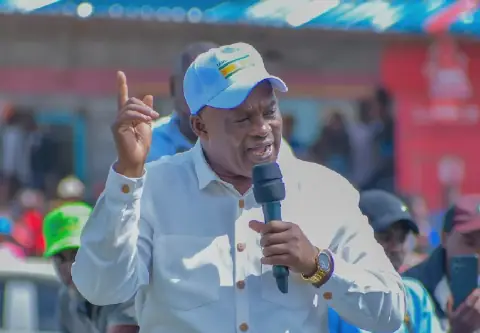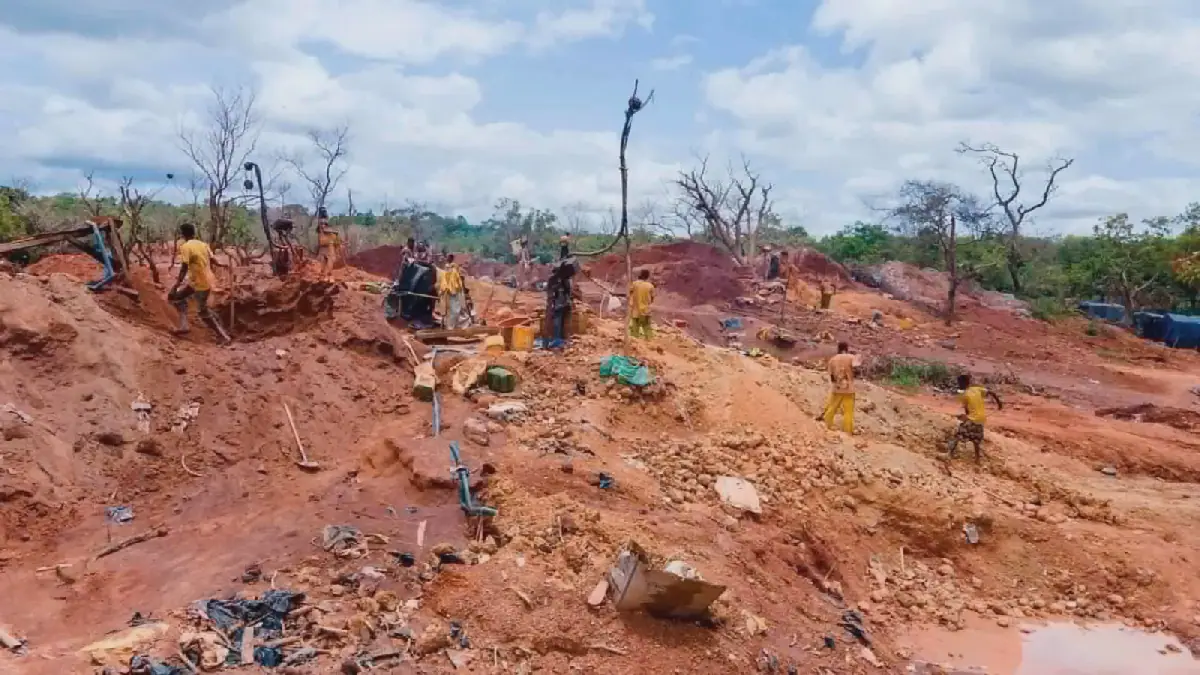
The Guinean government's decision to ban artisanal gold mining has elicited varied responses from the public and politicians. President Amadou Secteur Barry of the Union of Patriots for Guinea's Development (UPDG) supports the ban, citing the severe environmental damage caused by uncontrolled mining. He believes the ban is necessary to protect the country's agricultural sector and restore degraded environments.
The ban has significantly impacted local communities in regions such as Siguiri, Mandiana, Kérouané, and Kouroussa, where artisanal gold mining is a major economic activity. As miners leave the area, concerns are growing about the potential economic and social consequences. However, Barry emphasizes that the environmental costs of unchecked mining outweigh the benefits, justifying the government's decision.
Barry estimates that it will take at least a century to repair the environmental damage caused by artisanal gold mining. He urges those affected to accept the government's decision, describing it as a sovereign move for the country's well-being. The UPDG president also praises the resilience and solidarity of the Guinean people in the face of this change.
Some observers fear that the departure of foreign nationals from Guinea's gold mining areas could strain relations with neighboring countries. However, Barry offers a different perspective, highlighting the unity and solidarity of the Guinean people during this transition. He notes that despite the challenges, Guineans are not voicing significant complaints.
Beyond the mining ban, Barry comments on President Mamadi Doumbouya's leadership, describing him as an honest and decisive leader. Barry appreciates the president's initiatives but also stresses the importance of listening to citizens' concerns and accepting criticism.
Barry specifically mentions the president's successful implementation of previously considered unfeasible projects, such as the ban on street pharmacies and the closure of artisanal mining. While praising the president's actions, Barry advises him to remain open to feedback from the public and political actors.
The situation in Guinea highlights the complexities of balancing economic development with environmental protection. As the country navigates this transition, the government's decision to ban artisanal gold mining will likely have far-reaching consequences for local communities and the nation's economy.
Key points
- The Guinean government's ban on artisanal gold mining aims to mitigate environmental damage.
- The ban has significant economic and social implications for local communities.
- President Amadou Secteur Barry supports the ban, citing the need for environmental restoration.