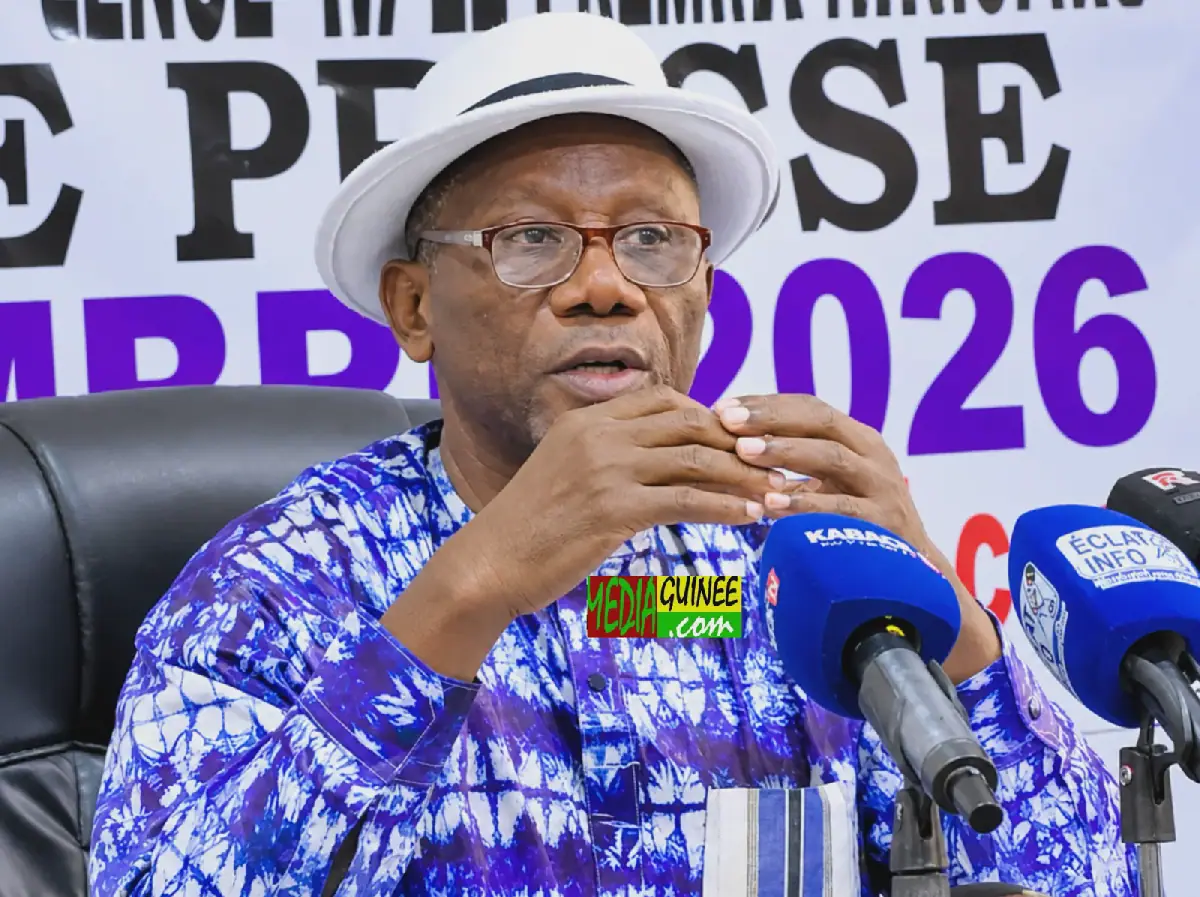
The Guinean Agency for the Fight Against Doping (AGLD) is strengthening its efforts to combat doping in Guinean sports. On November 21, in Conakry, its president, Fodé Sanoussy Soumah, outlined the institution's main activities, achievements, and future plans. The AGLD is focusing on prevention, education, and training, pending the establishment of a technical system for conducting tests that meet international standards. This approach aims to engage Guinean sports stakeholders in the fight against doping.
Nationally, the AGLD has made significant progress since its creation in 2023. It has established branches in at least eight administrative regions, set up specialized anti-doping committees, and formed an executive bureau. The agency has also contacted 62 sports federations and received correspondence from the Guinean National Olympic and Sports Committee, Special Olympics, and the University Sports Directorate. Additionally, it collaborates with three advisory bodies: the Olympic Committee, the Paralympic Committee, and Special Olympics.
The AGLD has initiated prevention efforts, including a sensitization campaign with the Guinean Karate Federation, which reached over 300 athletes. The agency also provided documents on its role and the World Anti-Doping Agency's list of prohibited substances. Furthermore, it engaged with 32 coaches during a Confederation of African Football (CAF) license C training session, who agreed to serve as anti-doping relays within their clubs. A similar training session for CAF license A coaches involved 20 participants from Guinea, Côte d'Ivoire, Mali, and France.
Internationally, the AGLD has developed relationships with specialized agencies, including the US Anti-Doping Agency, the French Anti-Doping Agency, and the Moroccan Anti-Doping Agency. The agency receives monthly newsletters from its US partner on global doping developments and has participated in online training sessions with the International Testing Agency (ITA). Fodé Sanoussy Soumah reported that the AGLD completed nine training sessions, including one on the World Anti-Doping Code, covering athletes' and staff rights, doping rule violations, and doping consequences.
The AGLD participated in the Europe-Africa symposium on the World Anti-Doping Code and international standards, with Fodé Sanoussy Soumah representing Guinea. He also announced that a new World Anti-Doping Code will take effect in 2027, requiring Guinean authorities to prepare and adapt their national systems. To accelerate its actions, the AGLD received a letter of mission from Prime Minister Amadou Oury Bah, which aligns with the agency's ongoing activities and results.
The letter of mission requests that the AGLD further structure its operations, intensify sensitization campaigns among sports federations, academies, and Guinean youth, and strengthen relationships with sports and medical authorities. To implement these directives, the agency has developed strategic documents, including a plan to materialize the letter of mission, a strategic plan to combat doping, and a national plan covering 2027-2029.
Despite its ambitions, the AGLD's president acknowledges that Guinea lacks the technical means to conduct immediate doping tests and analysis that meet international requirements. The agency faces significant technical and financial challenges in implementing an effective anti-doping program. Key initiatives, such as establishing a functional testing system and increasing collaboration with international partners, will be crucial to the AGLD's success in preventing doping in Guinean sports.
Key points
- The AGLD prioritizes prevention, education, and training over immediate testing.
- The agency has established branches in at least eight administrative regions and collaborated with 62 sports federations.
- A new World Anti-Doping Code will take effect in 2027, requiring Guinean authorities to prepare and adapt their national systems.