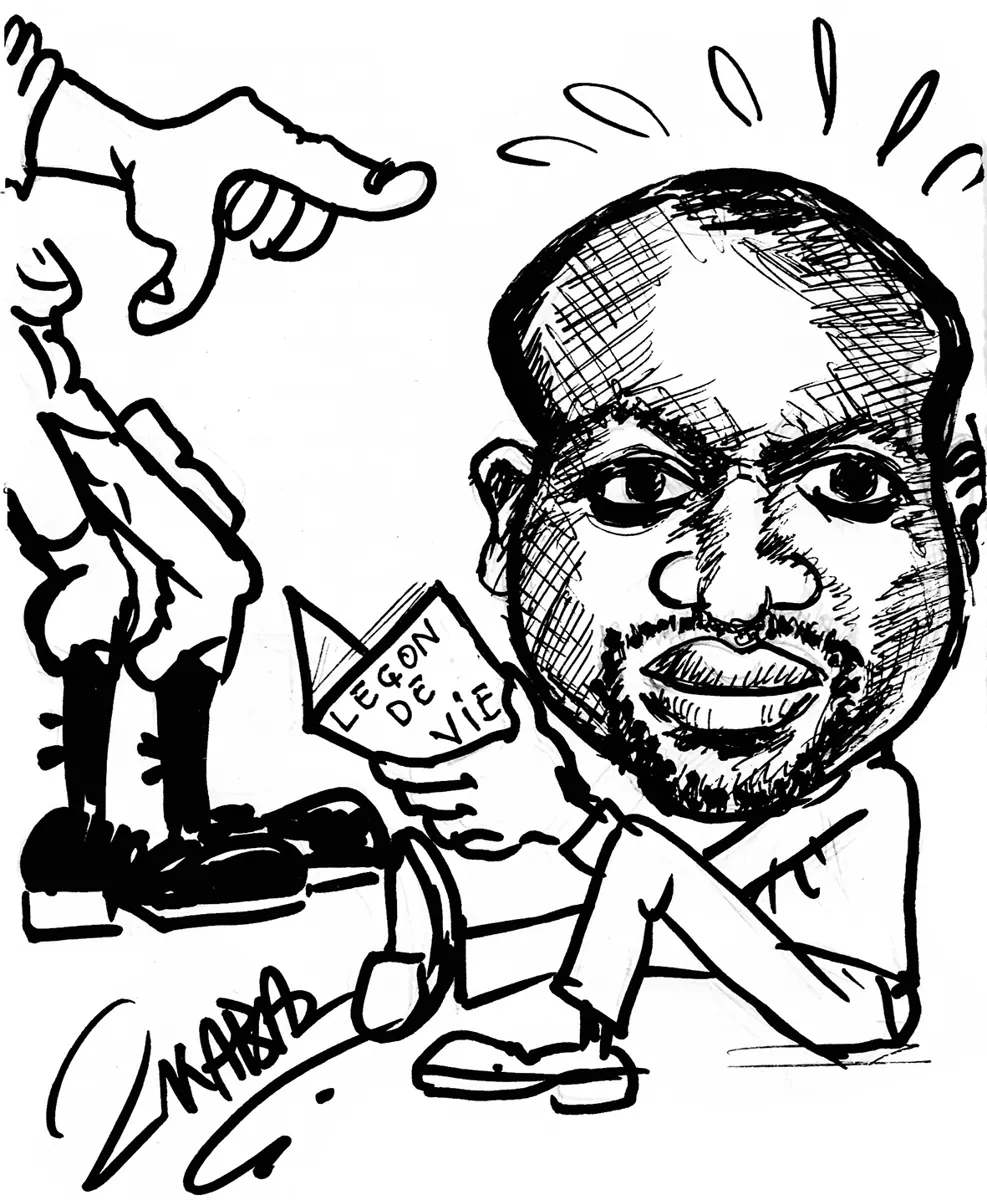
On October 2, Guinea's President granted a pardon to Aliou Bah, leader of the Movement for Liberal Democracy (MoDeL), who had been sentenced to two years in prison for "offense and defamation" against the head of state. Bah's pardon came with a condition: he must complete a 45-day civic reeducation and reintegration program. The program aims to strengthen Bah's knowledge of rights and duties, as well as respect for institutions.
According to the Guinean Minister of Justice, the civic reeducation program is designed to promote a culture of responsibility and accompaniment, offering individuals a chance to reconstruct themselves and return to social life while respecting the law and rights of others. The program also seeks to prevent recidivism and prepare participants for their return to family, social, and professional life.
Since his transfer from prison on October 6, Bah's family and party have been without news of his whereabouts. His party has issued several communiqués expressing concern about his situation, questioning the legal basis for the reeducation program and demanding that the state ensure his physical integrity and provide information about his detention.
The Guinean government has not disclosed details about the program, including its location and specific content. However, according to the Minister of Justice, an arrêté (a type of administrative decree) was issued on October 5 outlining the program's modalities. The program is expected to last for one and a half months, after which Bah will have acquired the skills to engage in opposition politics in line with the Refondation era.
The concept of civic reeducation for politicians is relatively new in Guinea. The country's opposition leaders have expressed mixed reactions to the development, with some viewing it as a positive step towards promoting responsible politics. Others have raised concerns about the potential for the program to be used as a tool for controlling opposition voices.
The case has sparked debate about the limits of presidential power and the role of opposition politics in Guinea. While some have welcomed the president's decision to grant Bah a pardon, others have questioned the motivations behind the move and the conditions attached to it. The situation remains a subject of interest for many Guineans, who are closely following developments in the case.
As the program unfolds, concerns about Bah's safety and well-being continue to be raised. His party has reiterated its demand for transparency and respect for his rights, while the government has emphasized its commitment to upholding the law and promoting national reconciliation. The outcome of the program and its impact on Bah's future remain to be seen.
Key points
- The Guinean government has not disclosed details about the civic reeducation program for Aliou Bah.
- The program aims to strengthen Bah's knowledge of rights and duties, as well as respect for institutions.
- The case has sparked debate about the limits of presidential power and the role of opposition politics in Guinea.