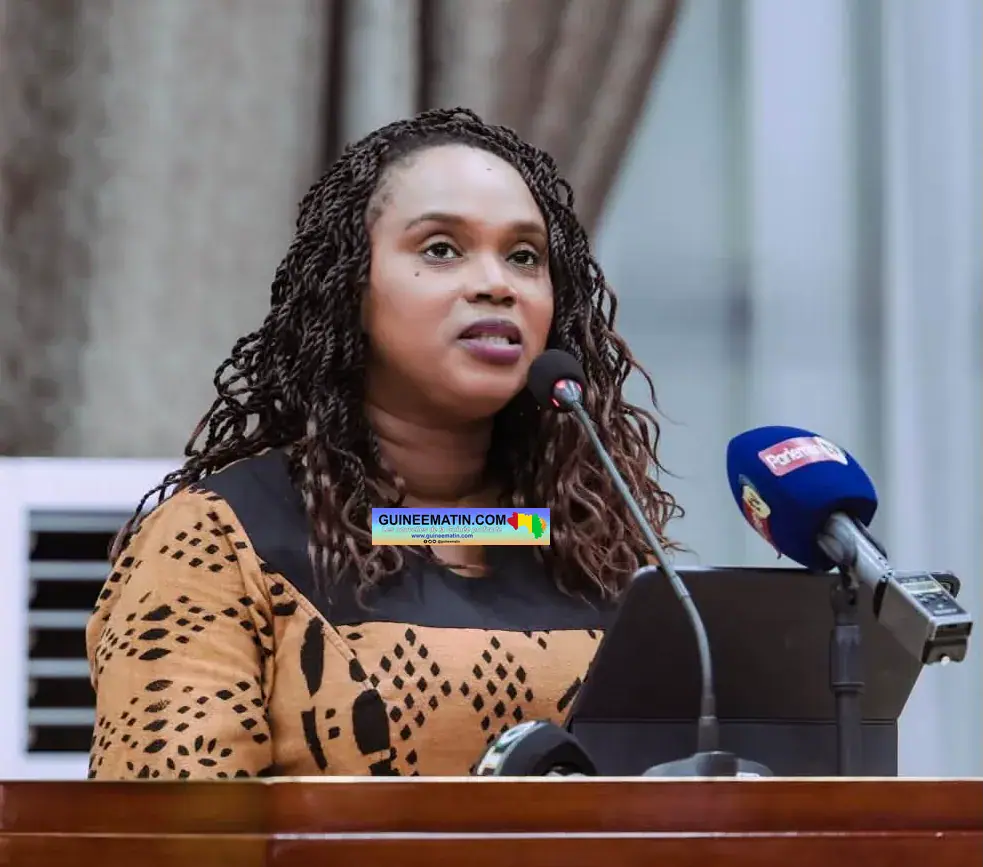
The Guinean National Assembly adopted the 2026 revised finance bill on November 7, 2026, with a total expenditure of 67,925.87 billion Guinean francs, representing a 5.83% increase from the initial budget. The revised budget prioritizes the health and education sectors, with additional funding allocated for the reinforcement of healthcare structures, equipment for health centers and regional hospitals, and improved availability of medicines and vaccines.
The Minister of Economy, Finance, and Budget, Mariama Ciré Sylla, expressed satisfaction with the National Assembly's adoption of the revised budget, highlighting its importance in addressing urgent population needs and adjusting to the international context. The revised budget also includes increased revenues, projected at 60,060 billion Guinean francs, representing a 7.5% increase, primarily driven by higher domestic revenue collection.
A significant allocation in the revised budget is dedicated to the education sector, including the recruitment of 4,500 teachers to enhance the presence of educators in schools nationwide. Furthermore, the budget includes a project to construct 1,600 water points in various localities across Guinea, aiming to improve access to basic social services.
The revised budget also focuses on social measures, including maintaining the fuel price at 12,000 Guinean francs per liter, achieved through a substantial subsidy of nearly $500 million. This move aims to protect the purchasing power of the population, as many countries in the region have increased their fuel prices due to global market trends.
Minister Sylla addressed concerns raised by deputies regarding the low disbursement of funds allocated to the agriculture and vocational training sectors, attributing the delays to project preparation and difficulties in implementing certain initiatives. The revised budget takes into account these challenges, focusing on accelerating project execution and optimizing resource utilization.
To enhance public expenditure management and accelerate disbursements, the Guinean government has implemented several reforms, including the digitalization of public markets and financial control, as well as the "L'Œil du Trésor" system. These measures aim to streamline payment processing and improve the execution of projects under the Simandou 2040 program.
The adoption of the revised 2026 budget reflects the Guinean government's efforts to adapt to evolving economic conditions and prioritize essential public services. The increased allocations for health and education underscore the administration's commitment to enhancing the quality of life for its citizens and fostering sustainable development.
Key points
- The 2026 revised budget allocates additional funds for healthcare and education sectors.
- The budget revision includes measures to maintain fuel prices and support vulnerable populations.
- Reforms have been implemented to improve public expenditure management and accelerate project disbursements.