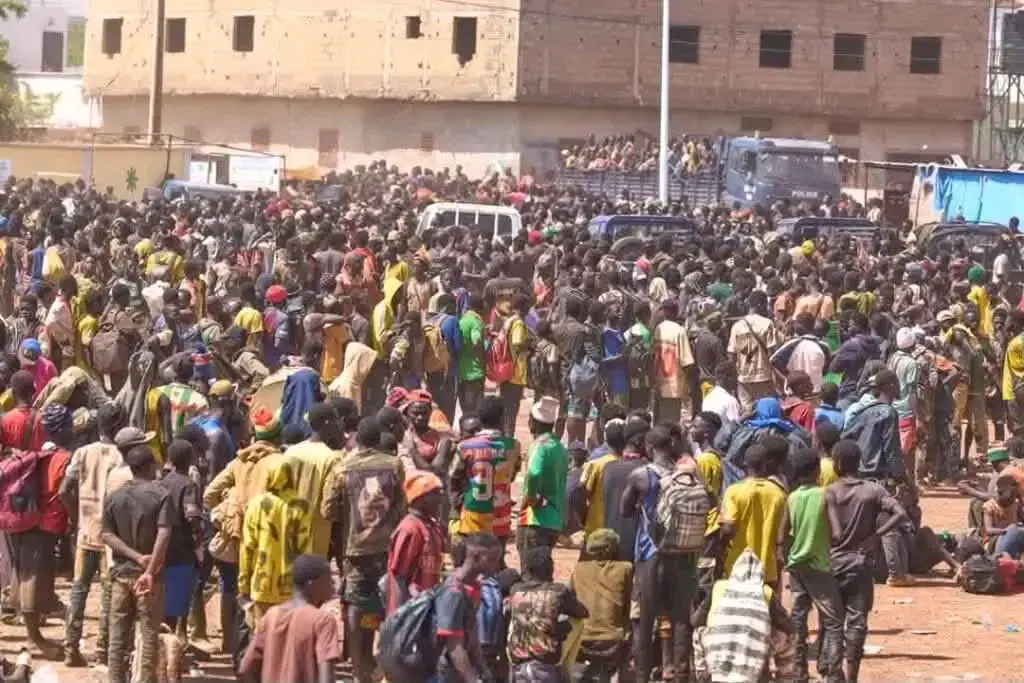
The Guinean government has taken a firm stance against unauthorized gold mining, particularly in the Siguiri region, where operations have been halted since November 2, 2026. This move aims to protect the country's natural resources, curb environmental degradation, and enforce mining regulations. The decision was made in response to the escalating environmental, economic, and institutional crisis caused by uncontrolled mining activities.
Uncontrolled gold mining has led to severe ecological damage, including land degradation, deforestation, and water pollution. The use of hazardous chemicals like mercury and cyanide poses a significant threat to ecosystems and local populations. Furthermore, the destruction of agricultural land compromises food security and the livelihoods of future generations. The Guinean government emphasizes that the long-term consequences of such activities will be borne by the country and its citizens.
The effects of environmental degradation will require substantial time, technical expertise, and financial resources to rectify. Rehabilitation efforts will focus on soil restoration, reforestation, and securing former mining sites. Certain damages may prove difficult to repair, and the ecological costs will primarily be borne by Guinea, despite some benefits escaping the national economy. The government's intervention is crucial to prevent further deterioration.
The decision to halt unauthorized mining activities has social and economic implications, particularly for local economies that have developed around the mining industry. Many workers and foreign exploiters, including Burkinabé nationals, have left Guinea, affecting businesses such as housing, retail, and services. The government acknowledges these consequences and emphasizes the need to support the transition to regulated activities and promote economic diversification in affected areas.
The Guinean authorities have arrested over 1,200 individuals of various nationalities, including Guineans, for alleged involvement in unauthorized mining, environmental damage, and related offenses. The crackdown has been extended to the prefectures of Mandiana, Kouroussa, and Kérouané. Those arrested will face justice, and the government stresses that interpellation does not imply guilt, and each individual is entitled to due process and the presumption of innocence.
The government's actions have diplomatic implications, with some Burkinabé citizens expressing concerns about the treatment of their nationals. However, the Guinean authorities maintain that the measures target unauthorized mining activities, regardless of nationality. The crackdown aims to enforce Guinean laws and regulations, and the government is committed to protecting its sovereignty and natural resources while ensuring a fair and transparent process for those involved.
The situation highlights the need for effective regulation and cooperation between countries to address the challenges of artisanal and small-scale mining. Guinea's efforts to regain control of its natural resources and enforce environmental and mining regulations demonstrate its commitment to sustainable development and responsible resource management. The international community will be watching closely as Guinea navigates the complexities of this issue and works to balance economic, social, and environmental concerns.
Key points
- The Guinean government has arrested over 1,200 individuals for alleged involvement in unauthorized mining activities.
- The crackdown aims to protect Guinea's natural resources, curb environmental degradation, and enforce mining regulations.
- The situation has diplomatic implications, with concerns raised about the treatment of Burkinabé nationals involved in the mining activities.