The IMF has approved a financing package of 310.59 million special drawing rights (SDRs), equivalent to approximately $425 million, to support Guinea's economic and financial program from 2026 to 2029. The agreement was approved by the IMF's board of directors on November 23, 2026. This financing package aims to support Guinea's economic development and address the country's financial challenges.
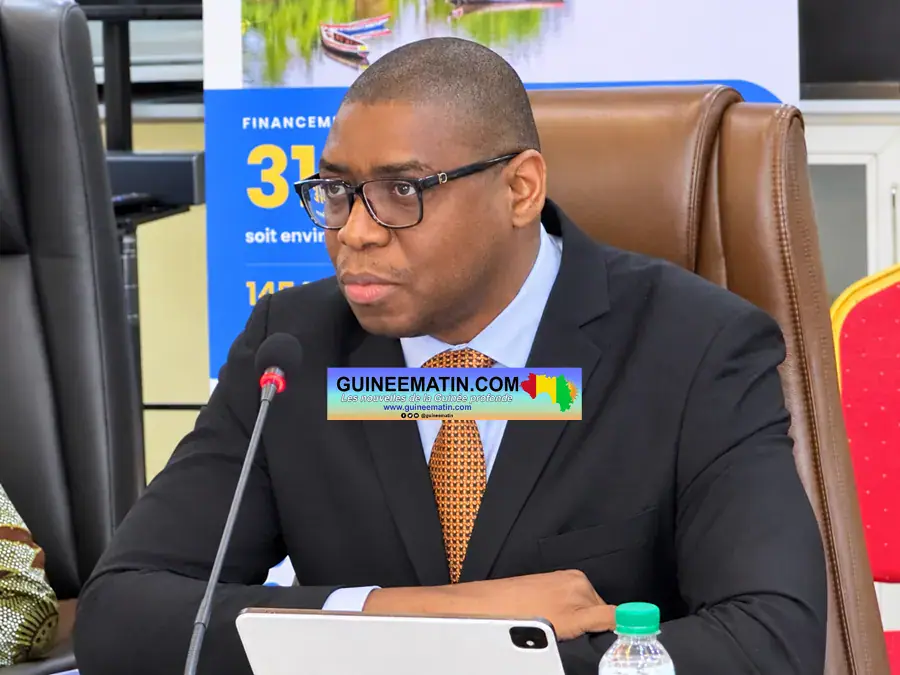
Despite concerns about potential austerity measures, Dr. Nérée Noumon, the IMF's resident representative in Guinea, has assured that there will be no austerity policy implemented as part of the program. He emphasized that the program is owned by the Guinean authorities and that the IMF's role is to accompany and support its implementation. The program has been negotiated and signed in Guinea, and it is up to the Guinean authorities to implement it.
One of the key aspects of the program is the gradual reduction of subsidies, particularly on fuel and electricity. However, Dr. Noumon explained that this does not mean a reduction in subsidies, but rather a strategy to reduce them in a way that takes into account the needs of vulnerable populations. The Guinean authorities will need to implement measures to mitigate the impact of the subsidy reduction, including consultations, communication, and accompanying measures.
According to Dr. Noumon, more than 80% of subsidies in Guinea benefit the 20% of the population that is most affluent, rather than the most vulnerable households. He also noted that subsidies represent a significant burden on public finances, reducing the state's ability to finance other priorities. The IMF's resident representative emphasized that the program aims to strengthen the targeting of subsidies and ensure that they benefit those who need them most.
Dr. Noumon also highlighted the favorable terms of the financing package, which he described as "one of the best debts" that governments can have. The loan has a low interest rate and a grace period of four to five years before repayment is required. This will give Guinea the necessary time to implement the program and achieve its economic objectives.
The IMF's financing package is expected to have a positive impact on Guinea's economy, particularly in terms of reducing poverty and promoting economic growth. The program will also help to strengthen Guinea's economic institutions and improve its business environment. Dr. Noumon emphasized that the IMF will accompany the Guinean authorities in implementing the program and provide technical assistance to support its success.
The approval of the IMF's financing package for Guinea is a significant development for the country, which is seeking to address its economic challenges and promote sustainable growth. The program is expected to have a positive impact on the lives of Guinean citizens, particularly the most vulnerable populations, and to contribute to the country's economic development.
Key points
- The IMF has approved a $425 million financing package for Guinea, with no austerity measures planned.
- The program aims to support Guinea's economic development and address the country's financial challenges.
- The financing package has favorable terms, with a low interest rate and a grace period of four to five years before repayment is required.