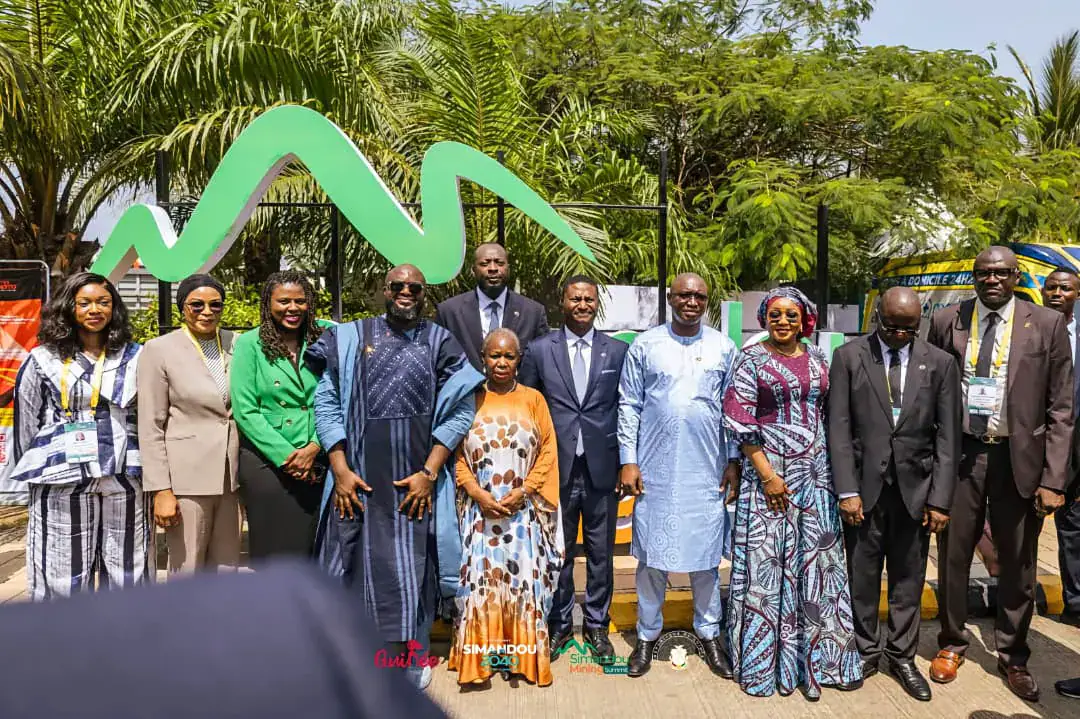
The first edition of the Simandou Mining Summit concluded in Conakry, Guinea, with the presentation of four priority projects worth $3.8 billion. The event, which drew 2,240 participants from 41 countries, focused on leveraging Guinea's natural resources to drive economic diversification and development. The projects include the Bus Rapid Transit and Heavy Rail Transit systems to decongest Greater Conakry, the South Coastal Road, and the construction of solar photovoltaic plants with battery storage in Dabola and Faranah.
The summit featured prominent figures in the mining industry, including Bill Oplinger, CEO of Alcoa, Gary Nagle, CEO of Glencore, and Sun Xiushun, President of Winning International Group. Rio Tinto's Chairman, Dominic Barton, also participated via a video message. The event's theme, "The mining industry as a driver of economic diversification in the era of Simandou 2040," reflected Guinea's ambition to utilize its natural resources for local transformation, human capital development, and economic diversification.
In addition to the $3.8 billion projects, the Guinean government also presented a $1.9 billion deepwater port project in Boffa, developed in partnership with the African Development Bank. The port is expected to be a game-changer for Guinea's economy, providing a logistics hub for the Gulf of Guinea region. The project includes a container terminal, an oil terminal, and an industrial park, aiming to make Guinea a major player in the region's trade.
The deepwater port project is expected to have a significant impact on Guinea's bauxite industry, reducing the environmental and social impacts of transshipment operations. The port will be capable of accommodating 200,000-tonne vessels, known as Capesize ships. According to Minister of Mines and Geology Bouna Sylla, the project will make Guinea's bauxite industry more competitive and create new opportunities for economic growth.
The Guinean government aims to turn the country into a major logistics hub in West Africa, similar to Dubai's Jebel Ali port. The deepwater port project is expected to create a platform for logistics and a chain of open stores, taking advantage of Guinea's strategic location. The project will also enable the development of industries in the port area, creating new opportunities for economic growth and job creation.
The Simandou Mining Summit demonstrated Guinea's commitment to leveraging its natural resources for economic development. The event provided a platform for investors to engage with the Guinean government and explore opportunities in the country's mining sector. The presentation of the $3.8 billion projects and the $1.9 billion deepwater port project reflects Guinea's ambition to become a major player in the region's economy.
The Guinean government is optimistic about the potential of the Simandou Mining Summit to drive economic growth and development. The event has generated significant interest among investors, and the government is expected to follow up on the commitments made during the summit. With the implementation of these projects, Guinea is poised to experience significant economic growth and transformation in the coming years.
Key points
- The Guinean government presented four priority projects worth $3.8 billion at the Simandou Mining Summit, aiming to transform the country's economy.