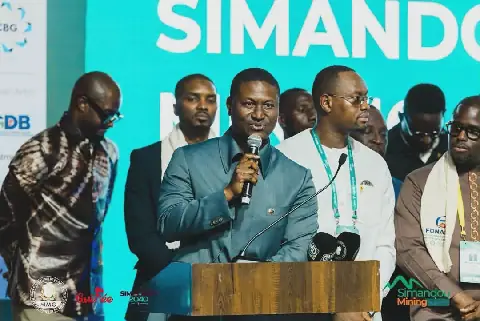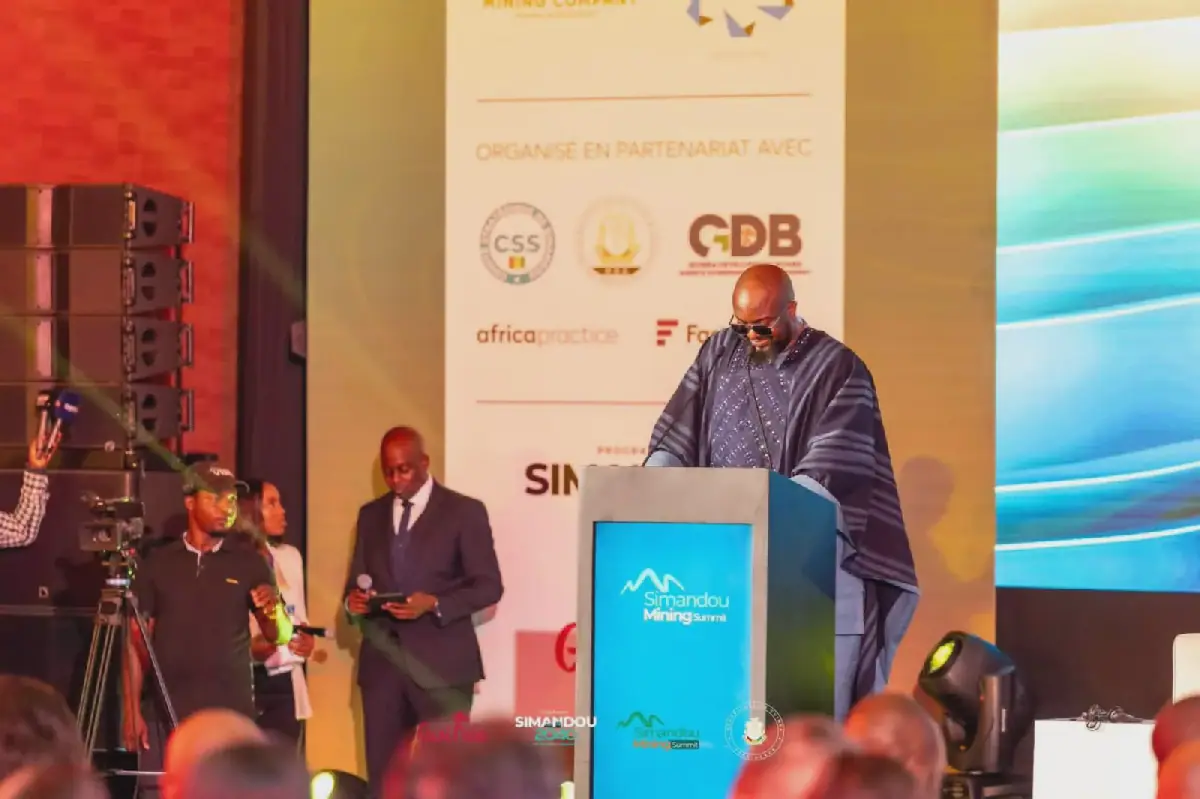
On the second day of the Simandou Mining Summit, Djiba Diakité, Minister and Director of the Cabinet of the Presidency of the Republic of Guinea, outlined the country's ambitions and conditions for future mining partnerships. He emphasized that Guinea is seeking durable partnerships with investors, not charity. Diakité stated that the country is open to collaborations that benefit all parties involved.
Diakité highlighted a new approach to cooperation between mining operators, where companies share costs, risks, and infrastructure. This approach, adopted in 2022, aims to develop mutualized infrastructure and co-development. The Compagnie du Transguinéen (CTG) has been established as a common platform for partners to work together, bringing their expertise and norms to the table.
The new approach also aims to strengthen Guinea's economic sovereignty. The government now holds at least 15% participation in railways, ports, and a future steel plant for local mineral transformation. Diakité emphasized that this sovereignty is not against partners but with them at the decision-making table.
Beyond the Simandou project, the government aims to extend this dynamic to the entire national economy through the Simandou 2040 program. The program includes 122 mega-projects and 36 reforms, with diversification planned in 14 priority sectors. Diakité stated that Simandou's infrastructure and skills development will serve as a foundation for this economic transformation.
Diakité announced that the era of exporting raw minerals is over, and Guinea aims to transform its minerals locally, creating value and sharing it with partners. The SMB will drive this ambition, focusing on bauxite, alumina, aluminum, gold, and critical metals. He emphasized the importance of managing Simandou's revenue, with a significant portion dedicated to a sovereign fund for future generations.
Diakité outlined three commitments to investors: respecting signed agreements, providing visibility on project priorities and timelines, and training a qualified workforce. He highlighted Simandou Academy as a tool for training Guinean engineers, technicians, and entrepreneurs. In return, the government expects serious and sustainable investments, direct economic benefits, and technology transfers.
The success of the summit, according to Diakité, should not be limited to declarations of intent but translated into effective investments and economic opportunities for the population. The government will measure success by the number of projects launched, jobs created, and Guinean enterprises that grow alongside investors. The summit should be a place for decision-making, not just debate.
Key points
- Djiba Diakité emphasizes Guinea's new requirements for mining partnerships, focusing on local content, economic sovereignty, and skills transfer.