The government of Guinea has mandated a mass clean-up of Conakry, the capital city, by December 31. This move comes months after a devastating rubbish landfill collapse that resulted in the deaths of dozens of people. Prime Minister Amadou Oury Bah announced the deadline, emphasizing the need for collective action to address the mounting waste issue in the city and its suburbs.
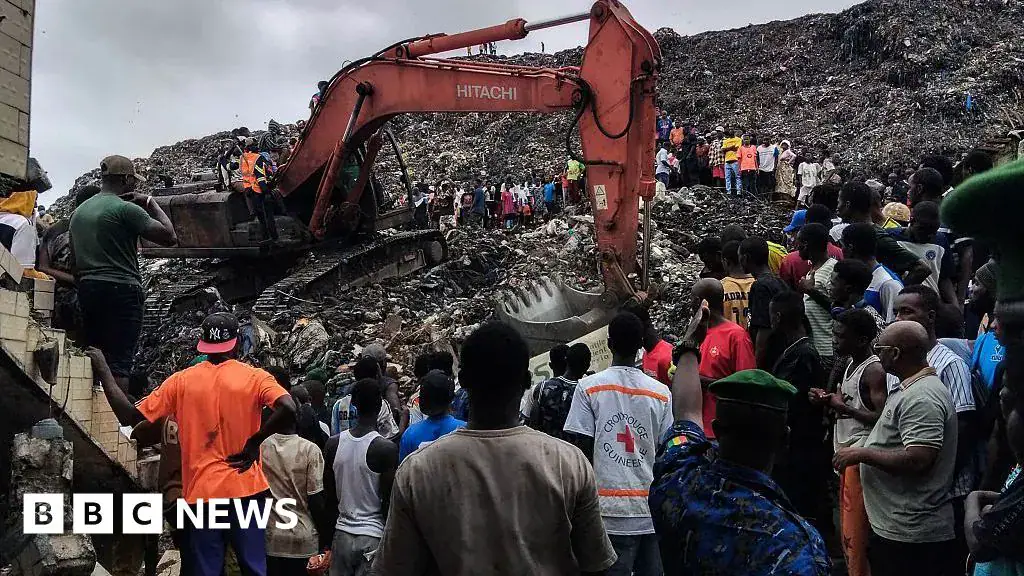
In August, heavy rains triggered a landslide at Conakry's main waste dump, located in the Dar es Salaam area. The disaster led to the collapse of rubbish onto nearby homes, claiming 31 lives and injuring several others. Following the incident, the site was permanently closed, but this has contributed to an accumulation of rubbish outside homes and on the streets due to inadequate waste collection.
Sanitation Minister Aboubacar Camara highlighted that Conakry generates approximately 3,000 tonnes of waste daily. However, much of this garbage ends up in the streets due to inefficiencies in the collection system. The minister's remarks were made during a public forum focused on sanitation, underscoring the urgent need for improved waste management infrastructure.
Prime Minister Bah has called upon local authorities to take a more active role in organizing waste collection efforts. He suggested that this could become a source of employment for young people. The prime minister emphasized that while the state would do its part, municipalities must also organize themselves to ensure effective waste collection and provide job opportunities for the youth.
The government has outlined measures to enhance waste collection and recycling, including the establishment of a national sanitation fund. This fund aims to secure financing for the sector, ensuring sustainable waste management practices. Additionally, talks have concluded with a waste collection operator, paving the way for equipment to transport waste from transit and sorting centers to a new disposal site in Baretodé, outside Conakry.
The August tragedy at the Dar es Salaam landfill was not an isolated incident. In 2017, 10 people lost their lives at the same site. Although the government had previously ordered residents living near the site to relocate, many chose to remain. The government now plans to repurpose the closed waste site into an urban park, signaling a move towards sustainable urban development.
President Mamady Doumbouya's directive emphasizes the importance of achieving a completely clean Conakry by the end of December. The government's proactive stance and collaborative approach with local authorities and waste management operators are critical steps towards addressing the city's sanitation challenges and preventing future tragedies.
Key points
- The government has set a deadline of December 31 for the clean-up of Conakry.
- The August landfill collapse resulted in 31 deaths and injuries.
- Conakry generates approximately 3,000 tonnes of waste every day.