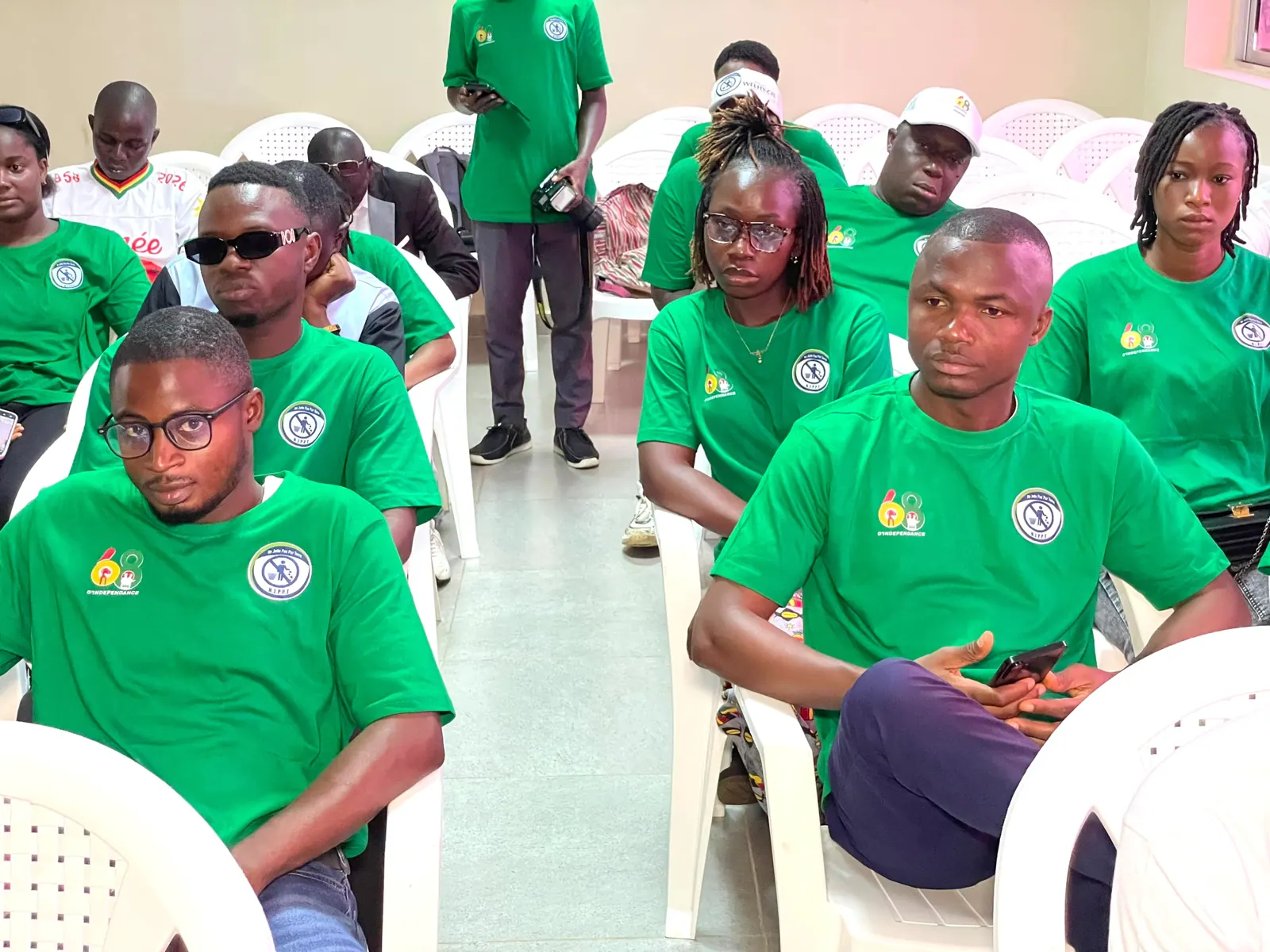
On October 2, 2026, the NGO Ne Jette Pas Par Terre (NJPPT) organized a panel discussion on waste management and civic responsibility to mark Guinea's 68th independence anniversary. The event brought together young people, women, sanitation actors, and health professionals. The discussions focused on citizenship and independence, national sanitation policy, local governance, health, environment, and entrepreneurship.
According to Saa Martin Yaradouno, president of NJPPT, the panel aimed to encourage young people to rethink the way they celebrate independence. He emphasized that waste management should go beyond collection, citing pre-collection, transformation, and recycling as activities that can create value around waste. Yaradouno's vision is to engage the youth in finding innovative solutions to waste management.
The panel also addressed the issue of sanitation, with Mamadou Saïdou Diallo, head of the sanitation service in Sonfonia commune, praising the initiative and expressing hope that such meetings would continue beyond national festivities. Diallo's sentiment reflects the need for sustained efforts in addressing sanitation challenges in Guinea.
The health dimension was another crucial aspect of the discussions, with Dr. Mamadou Diouma Touré, a medical doctor and panelist, stressing the importance of prevention in combating the consequences of unsanitary conditions. He called for increased awareness and highlighted the link between waste management and health risks. Touré's remarks underscored the need for a comprehensive approach to waste management.
In the lead-up to the independence celebration, NJPPT had conducted sensitization operations, waste collection, and canal cleaning in September. The panel discussion built on these efforts, placing waste management, sanitation, and youth participation at the center of the independence celebration. By engaging young people in the conversation, NJPPT aims to foster a sense of responsibility and ownership.
The event demonstrated the importance of collaboration between different stakeholders in addressing waste management and sanitation challenges in Guinea. By bringing together young people, women, and professionals from various sectors, NJPPT created a platform for knowledge sharing and idea generation. The panel discussion has set the stage for future initiatives and partnerships.
As Guinea continues to grapple with waste management and sanitation issues, initiatives like the NJPPT panel discussion are crucial in promoting a culture of responsibility and sustainability. By engaging young people and fostering a sense of civic duty, NJPPT and similar organizations can contribute to creating a cleaner, healthier, and more sustainable future for Guinea.
Key points
- NJPPT organized a panel discussion on waste management and civic responsibility to mark Guinea's 68th independence anniversary.
- The panel emphasized the need for a comprehensive approach to waste management, including pre-collection, transformation, and recycling.
- The event highlighted the link between waste management and health risks, stressing the importance of prevention and awareness.