The Guinean government has chosen to maintain the price of fuel at 12,000 francs guinéens, despite significant increases in the sub-region and internationally. This decision was made on the instructions of President Mamadi Doumbouya, who wants the national budget to bear part of the cost. The move comes as the International Monetary Fund (IMF) recommends a gradual reduction in fuel and electricity subsidies.
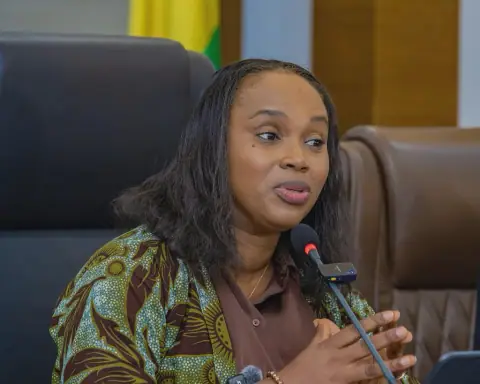
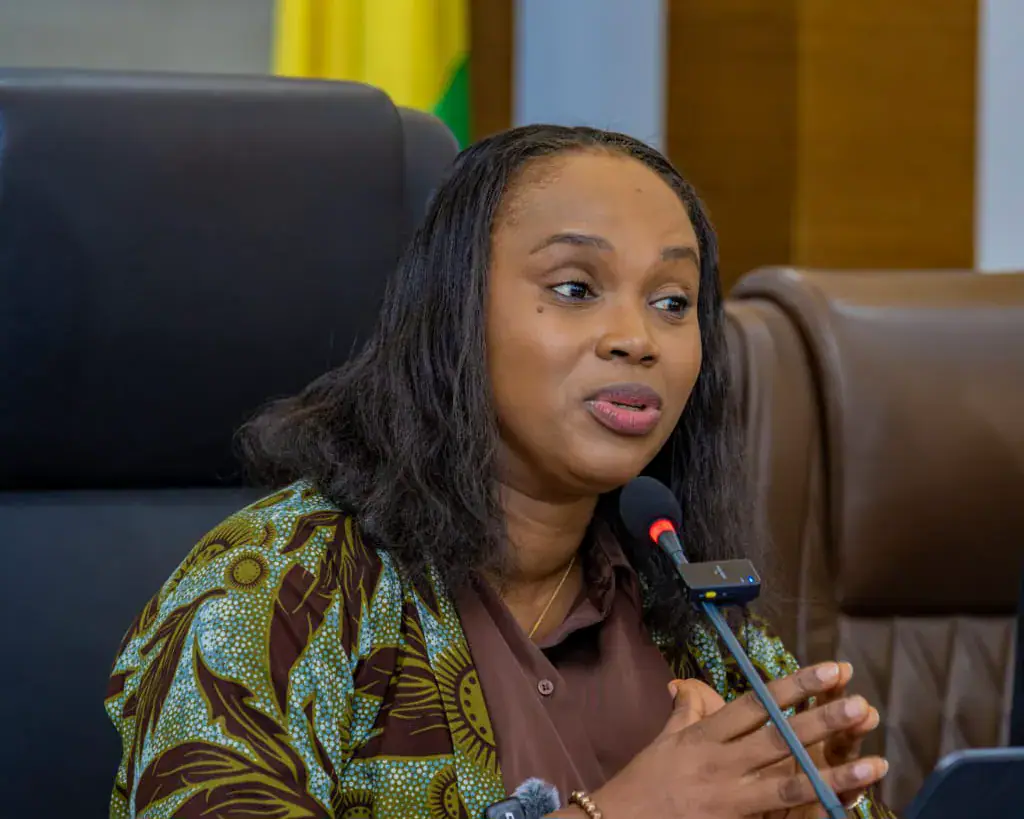
According to Finance Minister Mariama Ciré Sylla, the decision to keep fuel prices stable was a deliberate choice by the Head of State, despite significant pressures. She explained that the president wanted the national budget to bear part of the cost, rather than passing it on to consumers. This policy is in place despite the IMF's recommendation to reduce subsidies and implement targeted social protection for vulnerable households.
The IMF has approved a 38-month economic and financial program for Guinea, worth around $417 million. As part of this program, the IMF recommends reducing fuel and electricity subsidies and strengthening targeted social protection for vulnerable households. The goal is to improve public spending efficiency and free up resources for priority investments. Minister Sylla emphasized that discussions with the IMF focus on making subsidies more effective.
Minister Sylla explained that the government wants to learn from the IMF's experience in rationalizing subsidies to make them more effective. This involves ensuring that subsidies benefit the most vulnerable populations, rather than being used for speculation. She also highlighted the issue of smuggling and diversion of subsidized products in some neighboring countries.
The government is implementing reforms in the energy sector, particularly at Electricity of Guinea (EDG). The goal is to improve governance and efficiency in investments and infrastructure. Minister Sylla also mentioned a plan to build new fuel depots, following a recent accident at an existing depot. The aim is to give the country more flexibility in managing its supplies.
Looking ahead to 2027, Minister Sylla noted that the global situation is uncertain, and Guinea is not immune to international price fluctuations. She emphasized that the country's decision on fuel prices will depend on international market trends. The government will continue discussions with the IMF to find a balance between managing the impact of rising oil prices and protecting the interests of Guinean citizens.
Minister Sylla stressed the importance of social protection in the program agreed with the IMF. She confirmed that the government is committed to maintaining minimum social spending, particularly in education and health. The goal is to protect vulnerable households and ensure that the benefits of economic growth are shared by all.
Key points
- Guinea's government maintains fuel price at 12,000 FG despite international pressures and IMF recommendations.