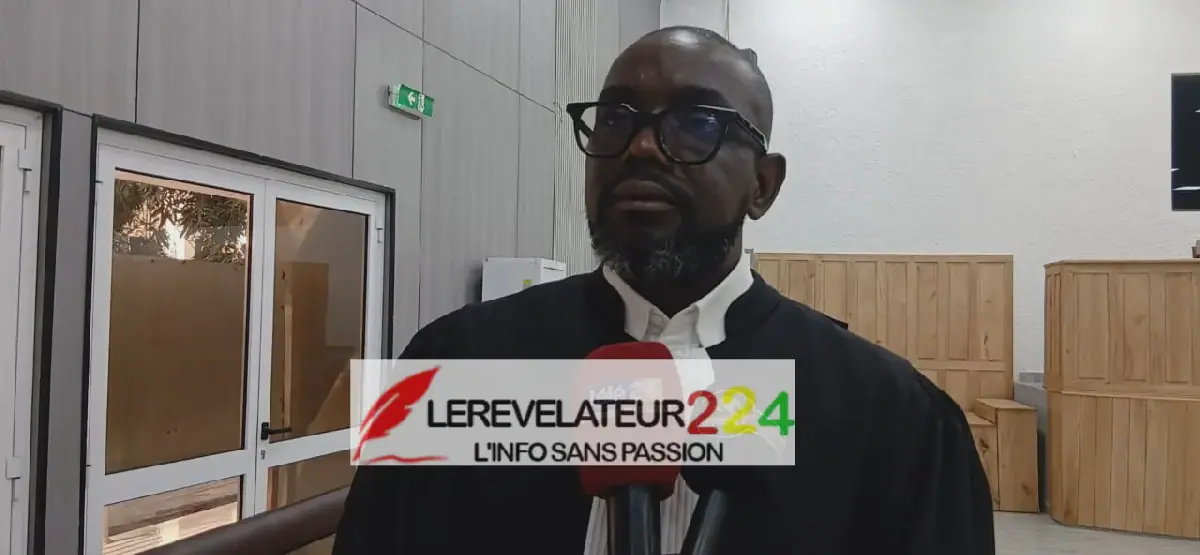
On November 24, 2026, lawyer Me Abdourahamane Dabo addressed the media after an audience at the Guinean Court of Repression of Economic and Financial Infractions (CRIEF). The case involves four defendants accused of environmental degradation and illegal artisanal gold exploitation in Porto Fita and Sanakolah, in the Wouré-Kaba sub-prefecture. Dabo stated that the case originated from a land dispute between two localities.
According to Dabo, the dispute is over agricultural plains between the localities, with other individuals using their connections to escalate the matter. The defendants' clients deny the accusations, claiming they are being targeted for attempting to protect their agricultural lands and environment. Dabo emphasized that his clients rely on these lands for their livelihood.
The lawyer highlighted that the case has been ongoing, with tensions and personal interests contributing to its judiciarization. Dabo expressed confidence that the debates will reveal the truth, and his clients will be exonerated. He also stated that the measures requested during the audience, including a judicial site visit and witness testimonies, are necessary to uncover the truth.
Dabo explained that the judicial site visit will enable the court to compare different versions of events and determine responsibilities. The court has scheduled the site visit for December 11, 2026, and the resumption of debates for January 12, 2027. The lawyer welcomed these measures, believing they will help establish the facts.
The case has sparked controversy, with Dabo denouncing what he termed "settlements of accounts". He insisted that his clients are innocent and are being targeted due to their determination to protect their environment. The case has raised concerns about the exploitation of natural resources and environmental degradation in the region.
The CRIEF court has taken an interest in the case, with the site visit and witness testimonies aimed at establishing the facts. The court's decision to schedule a site visit indicates its commitment to uncovering the truth. The case is expected to continue on January 12, 2027.
The outcome of the case may have implications for environmental protection and land management in Guinea. The case has highlighted the tensions between economic interests and environmental conservation in the region. As the case continues, stakeholders will be watching closely for its impact on the country's environmental policies.
Key points
- The case involves four defendants accused of environmental degradation and illegal gold exploitation in Guinea's Wouré-Kaba area.
- The lawyer representing the defendants claims the case is a "settlement of accounts" driven by land disputes and personal interests.
- The court has scheduled a site visit and witness testimonies to uncover the truth, with the case set to continue on January 12, 2027.