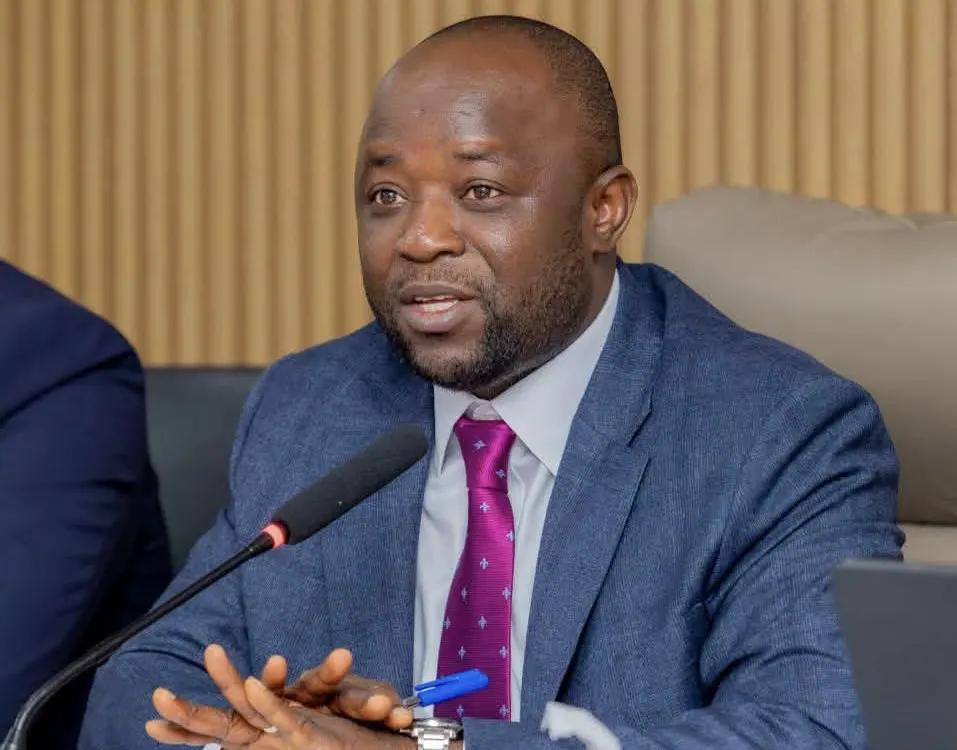
On September 29, 2026, Minister Faya François Bourouno held a press conference to announce the official launch of the public service recruitment process in Guinea. The process targets several departments, including Education, Health, and Sanitation. According to the minister, this initiative aims to materialize the political will expressed by the Head of State. The recruitment process will be conducted in a decentralized manner, with examination centers set up in various regions across the country.
The recruitment process will cover various sectors, including Education, Higher Education, Health, Sanitation, Justice, and Human Rights. The Ministry of Health and Public Hygiene will recruit medical specialists and other health sector agents. The Ministry of Higher Education and Scientific Research will recruit professors and PhD holders. The Ministry of Sanitation, Hydraulics, and Hydrocarbons will recruit contract agents to strengthen the country's sanitation policy. The Ministry of Justice and Human Rights will recruit magistrates and clerks.
In a departure from previous years, the recruitment process will not be concentrated solely in Conakry. Instead, examination centers will be set up in various regions to allow candidates from across the country to participate. This approach aims to improve public services in the interior of the country, in line with the vision of the President of the Republic. The minister emphasized that the process will be based on merit, transparency, and equal opportunities.
To ensure the credibility and transparency of the recruitment process, the government has put in place several measures. These include the use of digital tools to facilitate online submissions, digital exams, and real-time results. The process will also be decentralized, with candidates applying for specific positions in designated schools or institutions. This approach aims to prevent practices such as changing positions or locations after recruitment.
The government has also emphasized its commitment to fighting fraud and corruption in the recruitment process. The minister warned that any attempts to manipulate the process or engage in corrupt practices will be prosecuted. The government has developed tools to track and prosecute fraudulent activities, and punishments will be severe.
The recruitment process is part of a broader reform of the public service sector in Guinea. The government has developed a platform, FUGAS, which includes various tools to improve the management of public services. The platform includes a salary treatment chain, a dossier tracking system, and a module for managing candidate applications.
The decentralized recruitment process is expected to improve public services in Guinea, particularly in the interior of the country. The process aims to provide equal opportunities for candidates from across the country and to ensure that public services are delivered in a transparent and merit-based manner. The government has urged candidates to participate in the process and to report any attempts at fraud or corruption.
Key points
- The recruitment process will be conducted in a decentralized manner, with examination centers set up in various regions across the country.
- The process aims to improve public services in the interior of the country and to provide equal opportunities for candidates from across the country.
- The government has emphasized its commitment to fighting fraud and corruption in the recruitment process.