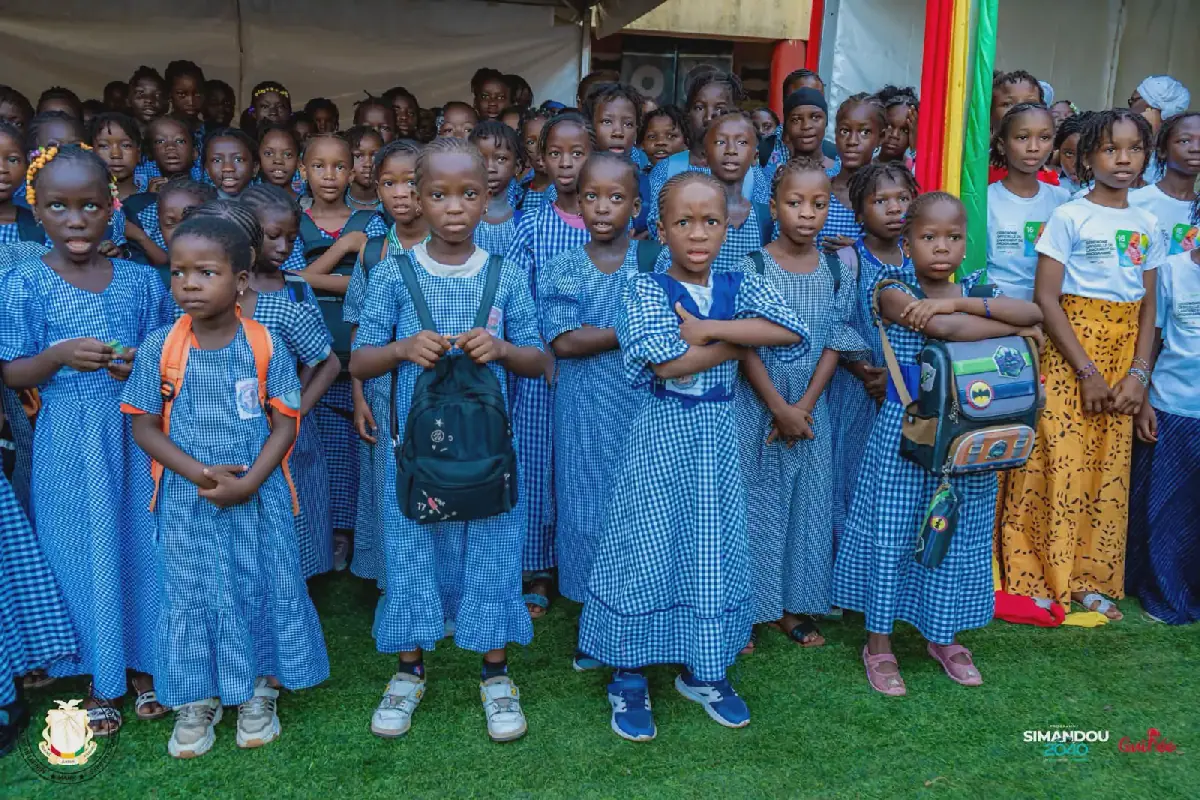
The government of Guinea has launched a new program aimed at promoting hygiene and sanitation in schools. The "Clean School, Exemplary Neighborhood" program was officially launched on November 16, 2026, at El Hadj Oumar 1 primary school in Afia, Dixinn commune. The initiative is an inter-ministerial effort to make students ambassadors of sanitation in their families and neighborhoods. The program aims to create a culture of hygiene and cleanliness in schools.
The program will run for six months and will cover 100 schools, including 70 in the Greater Conakry area and 30 in other parts of the country. The goal is to teach students good habits in hygiene and sanitation, so they can become role models in their families and communities. The program goes beyond just cleaning up schools; it aims to create a healthy, secure, and favorable learning environment. This includes access to clean water, proper toilets, and respect for each child's dignity.
The program's initiators believe that a clean school is not just one that is free of debris, but also one that provides basic necessities like clean water and proper toilets. They also emphasize the importance of making students responsible for maintaining cleanliness in their schools. "Loving your school means taking care of it," said Bintou Keïta, Minister of National Education. "A clean school is not a luxury, it's a necessity for learning."
The program also aims to promote good practices outside of school and into daily family life. According to the ministers, children can be powerful agents of change in their communities. Aboubacar Camara, Minister of Sanitation, said that children can repeat and insist on good habits, and that this can lead to a transformation in the country. The program is part of the Simandou 2040 vision, which prioritizes human capital in Guinea's development.
The "Clean School, Exemplary Neighborhood" program is a collaborative effort between several ministries. The goal is to make schools not just places of learning, but also models of environmental best practices. The program's success will depend on the involvement of students, teachers, and communities. By working together, the government hopes to create a culture of sanitation and hygiene that will spread beyond schools.
The program's impact could be significant, with thousands of students and families potentially affected. If successful, it could lead to a broader transformation in Guinea's culture of sanitation and hygiene. The government is optimistic about the program's potential to make a positive impact.
The "Clean School, Exemplary Neighborhood" program is an important step towards creating a healthier and more sustainable future for Guinea. By prioritizing education and environmental best practices, the government is investing in the country's future. The program's success will depend on continued support and involvement from all stakeholders.
Key points
- The program aims to teach students good habits in hygiene and sanitation.
- The program will cover 100 schools across Guinea.
- The program is part of the Simandou 2040 vision.