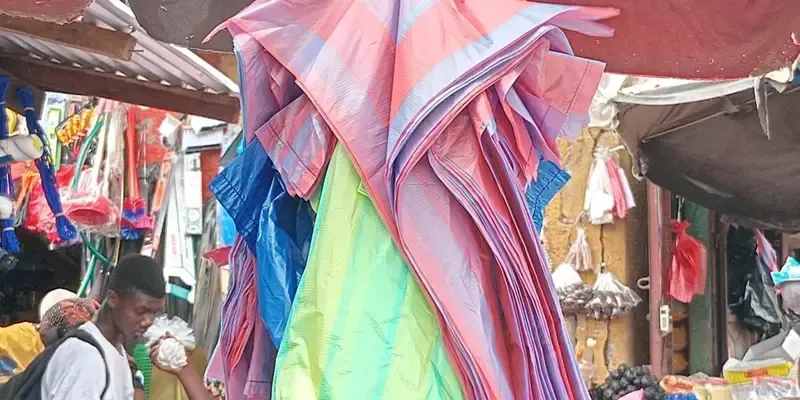
As of September 20, 2026, the manufacturing and distribution of single-use plastic packaging and items for commercial purposes are prohibited in Guinea. This measure has elicited mixed reactions from consumers. Some welcome the decision as a step towards addressing insalubrity and pollution, while others express concerns about available alternatives, their cost, and the feasibility of the ban. In Conakry's markets, shops, and streets, plastic bags have become an integral part of daily life.
For some consumers, like N'Gamet Conté, the ban is a necessary step. She notes that the streets, especially after rains, are littered with plastic bags, clogging drains, roads, and waterways. Conté believes that using plastic bags for a few minutes before discarding them contributes to a significant problem for the entire population. This environmental concern is also linked to health issues, as some consumers fear the consequences of accumulating plastic waste, particularly when burned or abandoned.
However, not all consumers share the same view. Mamadou Camara, a vendor in Conakry's market, thinks the ban may complicate the lives of small traders. He understands the need to protect the environment but argues that plastic bags are cheap and practical. If alternative, more expensive options are imposed, Camara believes that traders and consumers will bear the cost. Aminata Bah questions the ban's implementation, wondering if alternatives will be readily available and affordable for all.
Other consumers, like Naïssa Touré, a mother of two, support the ban but stress the importance of accessible replacement solutions. Touré suggests that if plastic bags are banned and reusable bags or other packaging are not easily available at affordable prices, it may be challenging for families. Abdoulaye Keita also highlights the potential impact on small businesses and daily shoppers, emphasizing that alternatives must be widely available and affordable.
Some consumers, like Moussa Diallo, believe that changing habits is necessary. Diallo advocates for using reusable bags, baskets, and containers that can be kept for a long time. He argues that continuing to use plastic bags for a few minutes before discarding them for years is unsustainable. The issue of water is also a concern, with Kadiatou Camara emphasizing the need to ensure that replacement containers, such as bottles, maintain hygiene standards.
For some, the ban is not a comprehensive solution to the problem of insalubrity. Fatoumata Soumah notes that even if plastic bags are banned, awareness campaigns and improved waste management are still necessary. Soumah points out that other types of waste are also discarded in the streets, and changing behaviors is crucial. As the ban takes effect, consumers' opinions appear nuanced, with some seeing it as a necessary response to plastic pollution and others worried about the practical implications.
The success of the ban will depend on how the transition is implemented in daily life by consumers and traders. The Guinean government must balance environmental necessity, consumption habits, and economic realities. With less than 24 hours to go before the ban takes effect, stakeholders are watching to see how this policy will unfold and what impact it will have on the country.
Key points
- The ban on single-use plastics aims to combat pollution and insalubrity in Guinea.
- Consumers have mixed reactions to the ban, citing concerns about alternatives and their cost.
- The success of the ban depends on the availability and affordability of replacement solutions.