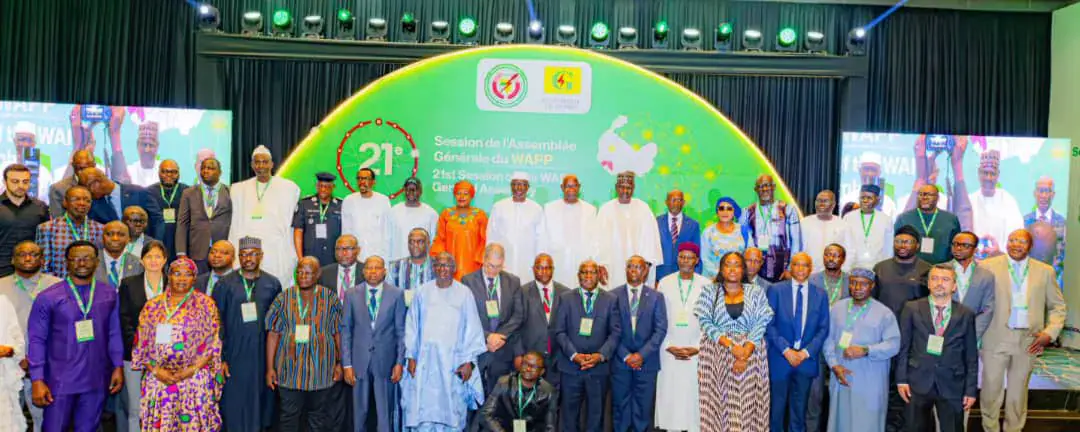
The Guinean capital, Conakry, recently hosted the 21st General Assembly of the West African Power Pool (WAPP), solidifying its position as a key player in regional energy cooperation. The event brought together the Guinean government, national electricity companies, ECOWAS institutions, and technical and financial partners. With a hydroelectric potential of over 6,000 megawatts, Guinea aims to become a major hub for energy production in West Africa.
The assembly focused on promoting regional integration and resilience in the energy sector. Electricity of Guinea (EDG) Director General, Gandho Barry, emphasized the importance of meeting concrete expectations, stating that "behind these responsibilities, there are concrete expectations: a health center must be able to function, an artisan must be able to work, a company must be able to produce, a family must be able to count on electricity in their daily life."
WAPP Secretary General, Abdoulaye Dia, praised Guinea's pioneering role in the region and highlighted the progress made in interconnecting the 15 member countries. He also announced the launch of the regional electricity market, which will enable transparent buying and selling of electricity among member states. Dia called for continued support for public electricity companies to address the growing demand for energy.
Guinea's Minister of Energy, Laye Sékou Camara, reaffirmed the country's commitment to making the energy sector a driver of economic integration and solidarity. He emphasized that energy isolationism is no longer an option and that Guinea aims to become a major player in West Africa's energy landscape. The country plans to modernize its transportation and distribution infrastructure, support the transformation of EDG, and accelerate the development of major projects like Koukoutamba.
In his opening remarks, Prime Minister Amadou Oury Bah, representing President Mamadi Doumbouya, stressed the strategic importance of access to energy in the region. He emphasized that energy is a key factor in economic production, transformation, job creation, and improving living standards. Bah called for a collective effort to build a genuine West African energy community, rather than just a juxtaposition of national electricity systems.
The assembly also highlighted the need for mutual trust and cooperation among member states. Participants emphasized the importance of sharing information, maintaining infrastructure, and fulfilling statutory contributions to ensure the autonomy, credibility, and effectiveness of WAPP. The event demonstrated Guinea's commitment to regional energy cooperation and its determination to become a major hub for energy production in West Africa.
The 21st WAPP General Assembly concluded with a call to action for member states to respect their commitments and fulfill their statutory contributions. This, according to Prime Minister Bah, is essential for building a strong and effective regional energy community. The assembly demonstrated Guinea's leadership in regional energy cooperation and its potential to drive economic growth and development in West Africa.
Key points
- Guinea reaffirms its role as a hub for regional energy cooperation and integration in West Africa.
- The 21st WAPP General Assembly launches the regional electricity market, enabling transparent buying and selling of electricity among member states.
- Guinea plans to modernize its energy infrastructure and accelerate the development of major projects to become a major player in West Africa's energy landscape.