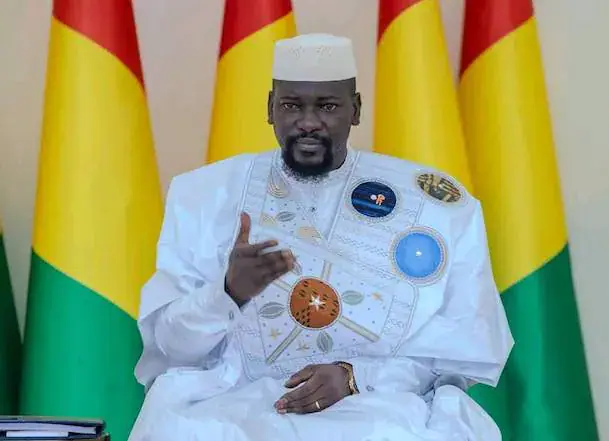
On Sunday, November 29, 2026, Guinea's communes began voting to elect regional councilors, a process aimed at decentralizing power and bringing decision-making closer to citizens. President Mamadi Doumbouya addressed the nation, urging calm and civic responsibility throughout the electoral process. He emphasized the significance of this election, which marks a step towards a more decentralized system of governance.
The elections are taking place across 375 communes nationwide, with commune councilors tasked with selecting regional representatives. This process is a constitutional requirement and is seen as crucial for the country's development. President Doumbouya highlighted that the elections will enable regions to construct their own development projects, making public decision-making more localized.
In his address, President Doumbouya praised the commitment of the Direction générale des élections (DGE), polling station officials, magistrates, and defense and security forces in ensuring a smooth electoral process. He encouraged all stakeholders, including commune councilors and candidates, to exhibit responsibility, serenity, and mutual respect.
The President also mentioned the upcoming Senate elections scheduled for December 20, 2026, which will complete the establishment of Guinea's republican institutions. He linked these electoral processes to his administration's Simandou 2040 program, aimed at building modern infrastructure and a citizen-centric state.
President Doumbouya's message was disseminated through his official Facebook page on the morning of the elections. In it, he described the event as an "historic step" towards Senegal-like elections and the realization of Guinea's decentralization ambitions. The President's call for calm and responsible behavior reflects the government's efforts to ensure a peaceful and transparent electoral process.
The regional council elections represent a critical phase in Guinea's institutional development. By electing regional councilors, citizens are expected to play a more direct role in shaping local policies and projects. This process is anticipated to enhance local governance and promote more equitable development across the country's regions.
As Guinea continues to strengthen its democratic institutions, the outcome of these elections will be closely watched by both national and international observers. The success of this electoral process could have significant implications for the country's future, particularly in terms of decentralization and local governance.
Key points
- President Mamadi Doumbouya has urged calm and civic responsibility during Guinea's first regional council elections.
- The elections aim to decentralize power and bring decision-making closer to citizens.
- The process is part of a broader effort to strengthen Guinea's democratic institutions and promote local development.