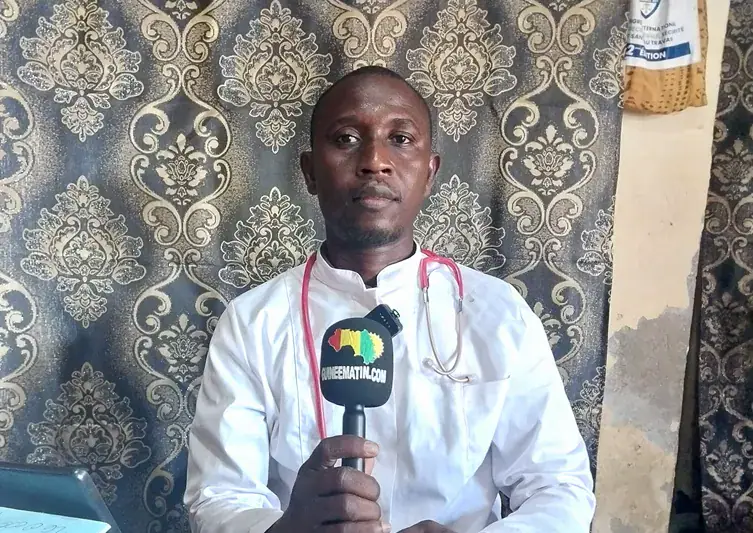
Diphtheria, a highly contagious bacterial infection, is a growing concern in Guinea. According to Dr. Malick Diallo, a general practitioner at the "La Vie pour Tous" medical center, the disease is caused by the Corynebacterium diphtheriae bacteria, which produces a toxin that can affect multiple organs. Dr. Diallo emphasized that diphtheria can lead to severe complications and even death if left untreated. The disease is relatively unknown among many Guineans, making awareness and education crucial.
The symptoms of diphtheria include fever, general fatigue, loss of appetite, and body aches. Patients may also experience severe throat pain, difficulty swallowing, and swollen lymph nodes in the neck. Dr. Diallo explained that these symptoms can be accompanied by a swollen throat and the formation of small lumps on either side of the neck. It is essential for individuals exhibiting these symptoms to seek medical attention promptly to prevent further complications.
Diphtheria is primarily spread through respiratory droplets emitted by infected individuals. When an infected person coughs, they release droplets that can be inhaled by healthy individuals, leading to transmission. Additionally, unvaccinated children and individuals with weakened immune systems are more susceptible to contracting the disease. Dr. Diallo stressed that vaccination is the most effective way to prevent diphtheria, and it is essential for children to be vaccinated from birth, as per the vaccination schedule.
If left untreated, diphtheria can lead to severe consequences, including respiratory obstruction, cardiac problems, and kidney damage. In extreme cases, the disease can be fatal. Dr. Diallo warned that individuals with diphtheria are at risk of developing multiple complications, emphasizing the importance of seeking medical attention promptly. The doctor also highlighted that delayed treatment can lead to long-term health consequences.
To prevent diphtheria, Dr. Diallo recommends limiting contact with individuals exhibiting respiratory symptoms and emphasizing the importance of vaccination. He also advises individuals experiencing unusual symptoms, such as throat pain or swelling in the neck, to consult a medical professional rather than seeking traditional remedies. Prompt medical attention can help diagnose and treat the disease, reducing the risk of complications.
Dr. Diallo encourages individuals to be aware of the risks associated with diphtheria and take preventive measures. He emphasizes that vaccination is the primary means of prevention and that individuals should prioritize their health by seeking medical attention if they experience any unusual symptoms. By raising awareness and promoting education, Dr. Diallo aims to reduce the spread of diphtheria and promote a healthier community.
The Guinea health sector is working to educate the public about diphtheria and promote vaccination. Dr. Diallo's efforts to raise awareness about the disease and its symptoms are crucial in preventing its spread. As the country continues to address the challenges posed by diphtheria, it is essential for individuals to take responsibility for their health and prioritize preventive measures.
Key points
- Diphtheria is a highly contagious bacterial infection that can lead to severe complications and death if left untreated.
- The primary means of prevention is vaccination, and individuals should prioritize their health by seeking medical attention if they experience unusual symptoms.
- Limiting contact with individuals exhibiting respiratory symptoms and promoting education can help reduce the spread of diphtheria.