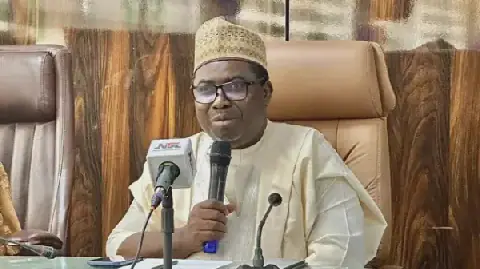
The Guinean government has unveiled a comprehensive plan to support thousands of young people, women, and families who previously relied on illegal gold mining. Following the ban on uncontrolled gold exploitation in several prefectures, the government aims to provide an alternative economic opportunity. The program, led by Minister of Agriculture Félix Lamah, focuses on agricultural reconversion, particularly in areas with significant agricultural potential.
Minister Félix Lamah announced the identification and development of agricultural domains, as well as the establishment of cooperative groups focused on market gardening. The goal is to redirect those affected by the ban towards other income-generating activities. Lamah acknowledged that illegal gold mining was a vital source of income for many families, emphasizing the government's awareness of the social implications.
The program targets regions such as Siguiri, Mandiana, Kouroussa, Dinguiraye, and Kérouané, where the government has initiated steps to identify areas for development. Lamah highlighted the limitations of mineral resources compared to agricultural land, which can continue to produce and generate income in the long term. He stressed that the land is a legacy from ancestors and a primary source of economic activity and revenue.
The government has chosen market gardening due to its short production cycle and consistent demand for products in local markets. By organizing young people and women into cooperative groups, the government aims to facilitate their access to developed agricultural domains. This approach is expected to enable beneficiaries to quickly generate income and better support their families.
To implement this initiative, Minister Lamah emphasized the importance of collaboration between administrative authorities, local collectives, and deconcentrated state services. The goal is to identify suitable lands and ensure the program's effective implementation. This cooperation is crucial for the program's success and its potential to increase national agricultural production and reduce reliance on food imports.
The program also aims to promote Guinea's agricultural potential and move towards self-sufficiency. Lamah expressed concern that products from other regions are being transported to Siguiri to meet local demands, despite the area's available agricultural land. He reiterated the government's commitment to supporting populations in developing agriculture that can meet the country's food needs.
The Guinean government's agricultural conversion program represents a significant step towards sustainable economic development and food security. By providing alternative income-generating activities and promoting agricultural production, the initiative aims to improve the livelihoods of young people and women in regions affected by the ban on illegal gold mining.
Key points
- The program focuses on market gardening due to its short production cycle and consistent demand for products in local markets.