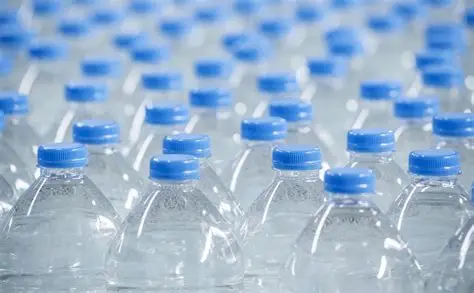
The Guinean government has announced a six-month moratorium for producers of plastic sachets used exclusively for water packaging. This decision, made on October 7, 2026, aims to alleviate the difficulties in mineral water supply caused by the ban on single-use plastics. The government's move comes after a two-year grace period, which ended on September 20, 2026, expired.
The ban on single-use plastics was introduced to address environmental concerns, but its implementation has led to significant challenges in the water sector. The shortage of mineral water has resulted in increased prices and limited availability of certain products. In response, plastic sachet producers had requested additional time to adapt to the new regulations, invest in alternative packaging, and establish waste collection and recycling systems.
The government's decision to grant a moratorium was made by President Mamadi Doumbouya, following a request from plastic sachet producers. The moratorium is strictly limited to plastic sachets used for water packaging and does not affect the ban on other single-use plastic products. The government's goal is to balance environmental concerns with the need to ensure access to potable water and control prices of essential goods.
The six-month moratorium is expected to provide relief to the water sector, allowing producers to adjust to the new regulations. During this period, the government plans to introduce measures to encourage the transition to environmentally friendly packaging solutions. These measures include fiscal and customs incentives to support the production and importation of biodegradable packaging, PET resin, and preforms.
A Commission interministérielle, headed by the Prime Minister, has been established to oversee the implementation of the new measures and ensure compliance with regulatory requirements. The commission will monitor the progress made by plastic sachet producers during the moratorium and assess their efforts to establish waste collection and recycling systems.
The government's decision has been attributed to the need to preserve the well-being of the population, guarantee access to potable water, and contain price increases for essential goods. The moratorium is seen as a temporary solution to address the challenges posed by the ban on single-use plastics, while also promoting a transition to more environmentally friendly packaging solutions.
The plastic sachet producers have been given a temporary reprieve, but they are expected to use the six-month period to modernize their production units, invest in alternative packaging, and establish effective waste collection and recycling systems. The government's measures aim to mitigate the impact of the plastic ban on the water sector while promoting sustainable practices.
Key points
- The Guinean government has granted a six-month moratorium to producers of plastic sachets used for water packaging.
- The moratorium aims to alleviate the difficulties in mineral water supply caused by the ban on single-use plastics.
- The government's decision balances environmental concerns with the need to ensure access to potable water and control prices of essential goods.