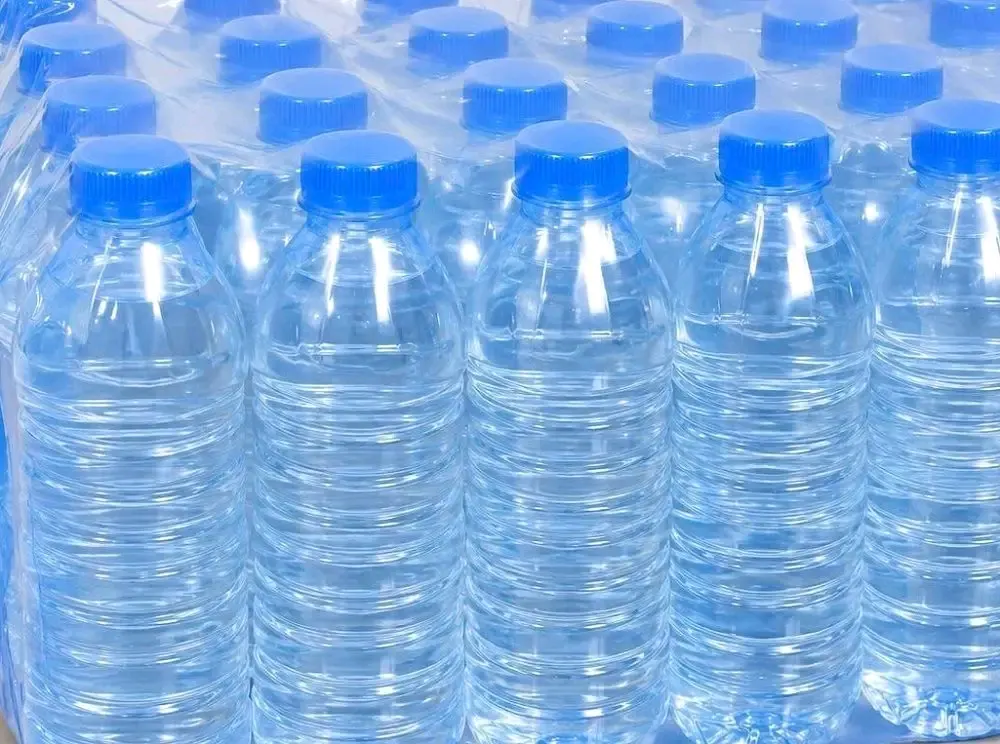
The ban on single-use plastics in Guinea, which came into effect on September 20, 2026, has led to a severe water shortage in the country. Many residents of Conakry, the capital city, are finding it difficult to access clean drinking water. The situation is particularly challenging for students who are used to buying food and water during school breaks. With the ban on plastic water sachets, they are now forced to either carry expensive bottles or go without water.
The decision to ban single-use plastics was made to protect the environment from the dangers of non-biodegradable waste. However, the move has left many Guineans without access to affordable drinking water. The government has been criticized for not providing concrete alternatives or solutions to the problem. Many people are now being forced to buy expensive bottled water or rely on recycled water from vendors.
The water shortage is particularly acute in Conakry, where many residents do not have access to piped water. The situation is causing frustration and hardship for many people, who have to travel long distances to get clean drinking water. The ban on plastic water sachets has also affected the food industry, with many vendors struggling to provide customers with drinking water.
According to critics, the government did not think through the consequences of the ban before implementing it. They argue that the government should have provided alternatives, such as affordable bottled water or improved access to piped water, before banning plastic water sachets. The lack of planning has left many people struggling to access basic necessities.
The water shortage is also affecting the education sector, with students struggling to access drinking water during school hours. This is likely to have a negative impact on their academic performance and overall well-being. The government needs to find a solution to the water shortage as soon as possible to mitigate the effects of the ban.
The situation has sparked widespread criticism and frustration among Guineans, who feel that the government has not done enough to address the problem. Many people are calling for the government to revisit the ban and provide more support to those affected by the water shortage. The government needs to engage with the public and find a solution that balances environmental concerns with the needs of its citizens.
The water shortage in Guinea highlights the challenges of implementing policies without proper planning and consideration for the consequences. The government needs to take a more nuanced approach to addressing environmental issues, one that takes into account the needs and concerns of its citizens.
Key points
- The ban on single-use plastics in Guinea has led to a severe water shortage in the country.
- The government has been criticized for not providing concrete alternatives or solutions to the problem.
- The water shortage is affecting many aspects of life in Guinea, including education and the food industry.